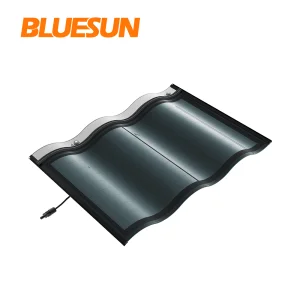
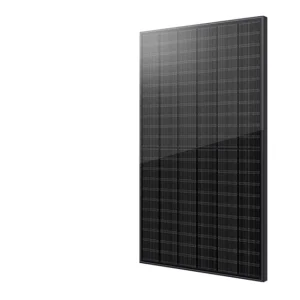
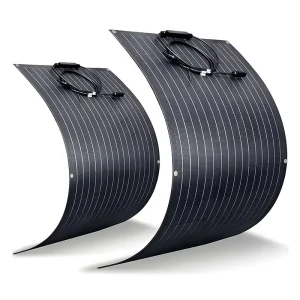
Engineered to meet South Korea's demanding architectural standards and seaside meteorological profiles, these four distinct product solutions address standard building integration, curved tiles, and lightweight structural roofs typical of Busan's coastal zones.
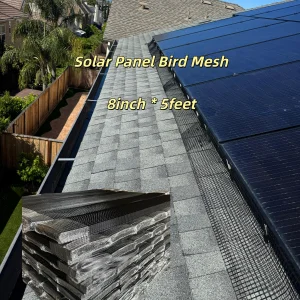
Busan, the primary logistics gateway of South Korea and a booming metropolitan powerhouse, has actively set its sights on carbon neutrality. The municipal energy transition guidelines emphasize the deployment of solar photovoltaics on commercial warehouses, factories, coastal maritime docks, and urban residential structures. However, establishing PV roof installations in Busan demands structural systems engineered for marine atmospheric environments.
Corrosive Salt Spray (C5 Marine Environment Rating): Due to the proximity of the Sea of Japan (East Sea) and the Korea Strait, the saline mist in ports like Busan New Port accelerates the degradation of solar components. Standard anodized frames degrade rapidly without specialized salt mist corrosion testing (IEC 61701 compliance).
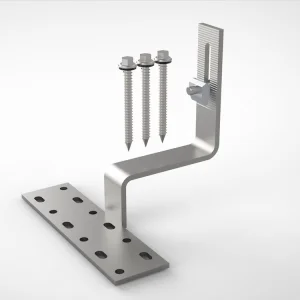
Extreme Wind Loads (Typhoon Pathways): Southern South Korea regularly intercepts typhoons. Solar panel roof mounting systems must withstand wind velocities up to 60 meters per second. This necessitates robust clamping, structural double-glass profiles, and high-tensile fasteners.
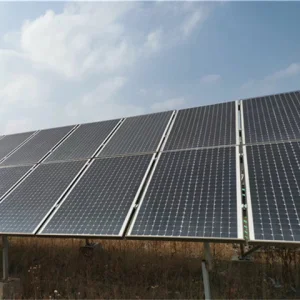
Over millions of square meters of rooftop space in Busan New Port, Mieum Industrial Complex, and Noksan Industrial Complex are being repurposed for solar logistics roofs, allowing terminal operators to achieve local RE100 targets.
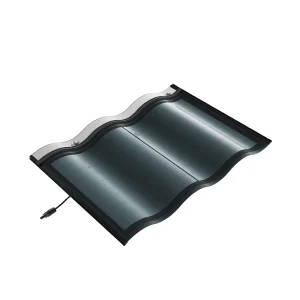
In modern districts such as Centum City and Haeundae, building-integrated photovoltaics (BIPV) like solar roof tiles preserve urban aesthetics while capturing vertical and angled solar radiation.
Export-driven manufacturers operating in Gyeongsangnam-do are facing heavy pressure from global supply chains to transition to 100% renewable power. Direct on-site solar roofing is the most cost-efficient mechanism to offset electricity emissions.
Ningbo Halkirk Solar Co., Ltd. stands as a premier China solar panel manufacturer and monocrystalline & bifacial solar module supplier. With state-of-the-art manufacturing facilities based in Ningbo, Zhejiang province, we are positioned directly adjacent to one of the world's largest container shipping corridors, offering frictionless logistics pathways directly into the Port of Busan.
We specialize in the engineering and production of monocrystalline solar panels, bifacial solar modules, high-efficiency TOPCon solar cells, N-type solar modules, off-grid residential kits, and advanced BIPV solar roof tiles. Our mission is to bridge Chinese supply-chain efficiencies with strict global EPC standards, delivering reliable photovoltaic solutions built for resilience in commercial, industrial, and utility-scale installations.
Every single photovoltaic module manufactured at our facility is subjected to rigorous quality gates, including triple EL (electroluminescence) testing, micro-crack prevention validation, and flash test calibration. We ensure full compliance with international standards, helping Busan EPC projects easily secure structural approvals and grid connection authorization.
As South Korea expands its renewable footprint, sourcing raw photovoltaic modules and BIPV components from China offers significant economic and technological benefits. Leveraging Ningbo Halkirk Solar’s geographic proximity and specialized manufacturing output presents distinct operational advantages:
The maritime distance between Ningbo Port and Busan Port is less than 500 nautical miles, yielding short transit times of 36 to 48 hours. This allows Busan EPC installers to maintain lean inventories, minimize warehouse footprints, and buffer project execution schedules against supply chain shocks.
By leveraging China's dense solar ecosystem (polysilicon sourcing, wafer cutting, and module assembly), Halkirk Solar provides premium Tier 1 grade solar technologies at prices that optimize project IRR (Internal Rate of Return) for private and public sector developers in Gyeongsangnam-do.
We provide extensive OEM/ODM support, allowing distributors and engineering firms in Busan to adapt module dimensions, frame structures, junction box placement, and mounting designs to South Korean building code requirements.
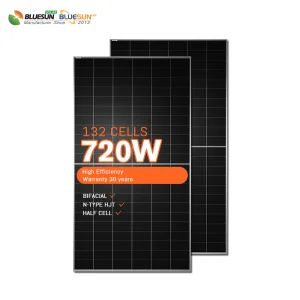
Our solar modules integrate the latest solar breakthroughs, such as N-type TOPCon and HJT cells with bifaciality factors up to 85%, ensuring optimal winter performance in northern latitudes like the Korean Peninsula.
Decarbonizing a massive industrial center like Busan requires a diversified, system-level approach to photovoltaic deployment. Instead of relying solely on ground-mount utility systems, which are constrained by South Korea's limited and expensive land profiles, industrial developers are deploying specialized rooftop solutions:
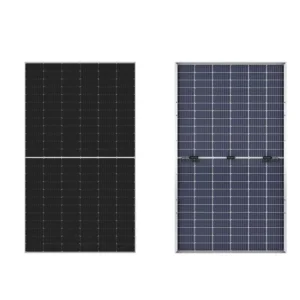
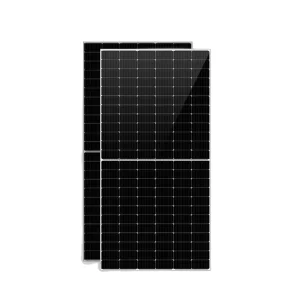
Logistics facilities located on the waterfront are constantly subjected to severe relative humidity and sea spray. Our recommendation is double-glass bifacial TOPCon modules with POE encapsulation. POE (Polyolefin Elastomer) provides significantly higher resistance to water vapor and PID (Potential Induced Degradation) than standard EVA, guaranteeing stable production over a 30-year lifecycle.
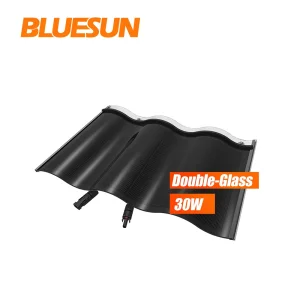
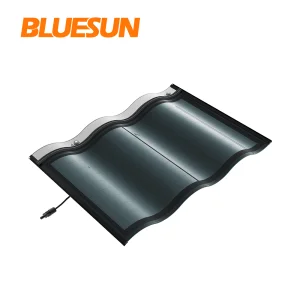
Combining heritage preservation with green energy generation, our solar tiles integrate solar cells directly into high-durability double-tempered glass tiles. These modules replace conventional clay tiles on residential developments in Gyeongju and Busan residential suburbs, providing mechanical strength alongside clean power.
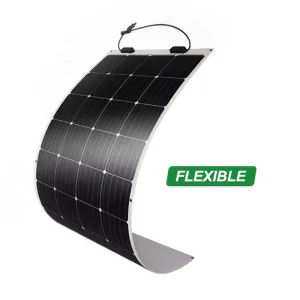
Older manufacturing hubs in Busan often feature light steel-structure roofs that cannot support the weight of standard 25kg glass-and-aluminum solar modules. Halkirk Solar’s flexible, lightweight monocrystalline panels (under 4kg/m²) can be adhered directly to corrugated steel surfaces, eliminating structural reinforcement costs.
Sourcing commercial solar components requires strict alignment with structural engineering, grid compliance, and financial bankability guidelines. We maintain comprehensive documentation and engineering approvals to support industrial buyers and EPC contractors throughout the purchasing lifecycle.
Our modules are certified under IEC 61215 and IEC 61730, validating performance reliability under severe thermal stress, humidity freeze cycles, and mechanical impact testing.
Every module undergoes triple Electroluminescence (EL) inspections—pre-lamination, post-lamination, and pre-packaging—to eliminate micro-cracks that cause hot spots and early failures.
With an industry-leading 30-year linear performance warranty, our products provide local financiers and Korean banks with the long-term assurance needed to back major project investments.
Explore our extensive catalog of high-output modules, residential solar shingles, structural protection mesh, and marine-ready flexible solutions. Select a product to initiate an OEM or wholesale pricing inquiry.
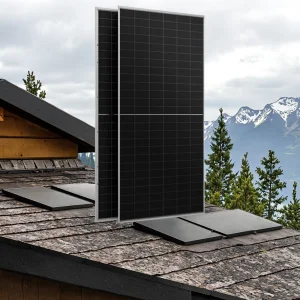
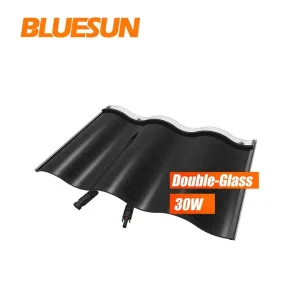
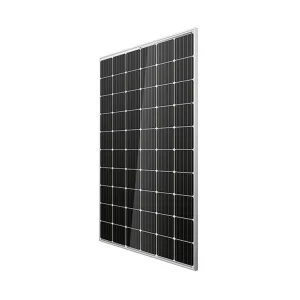
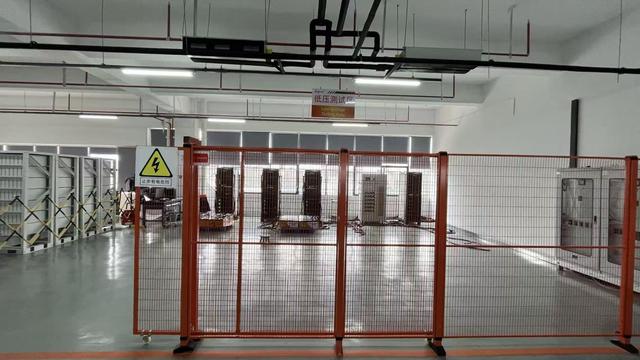
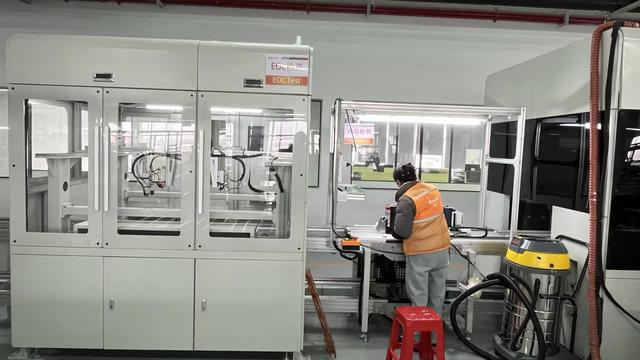
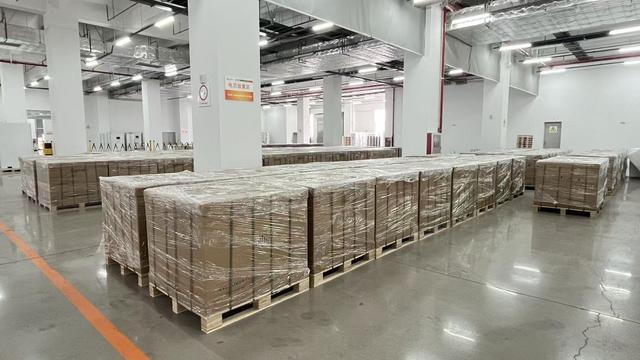
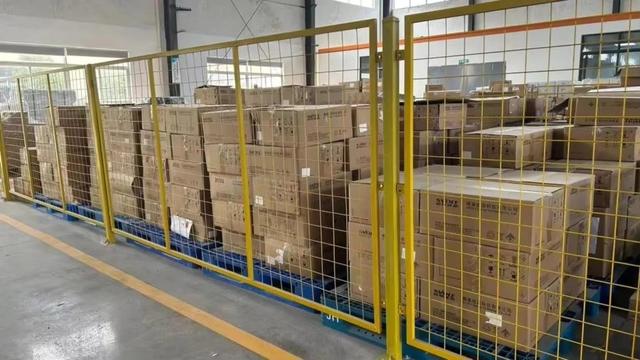
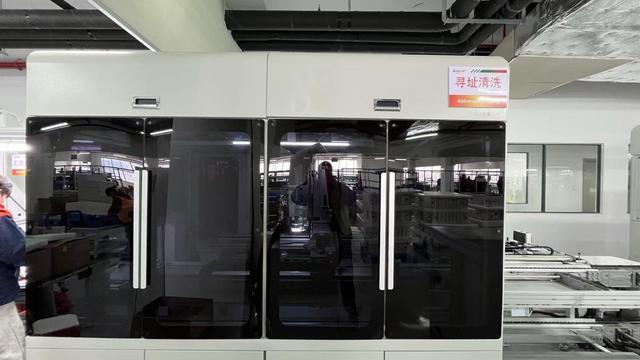
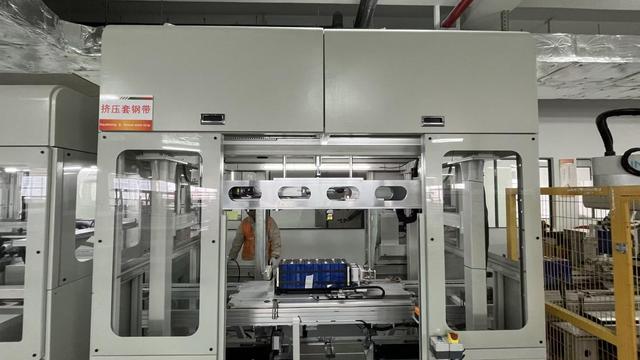
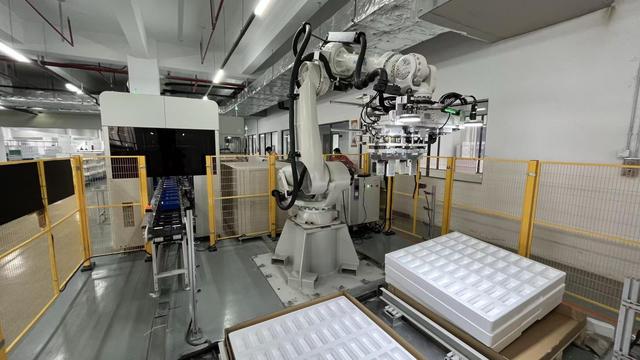
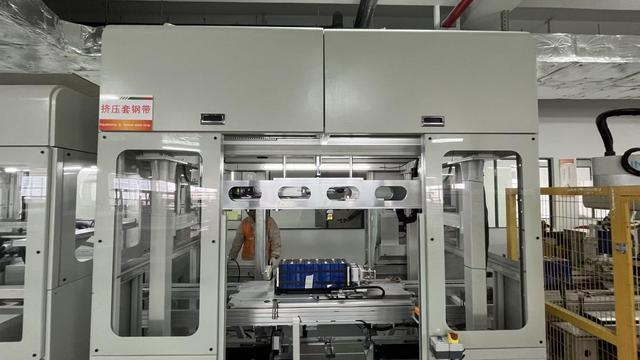
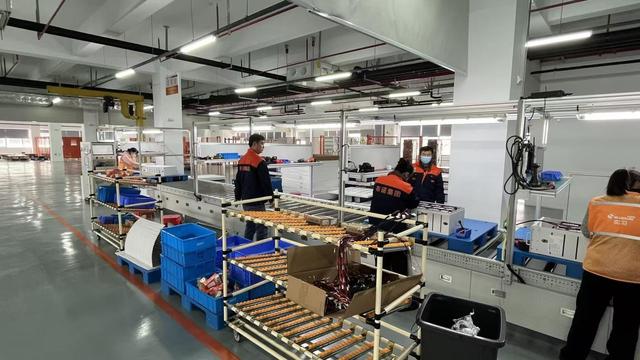
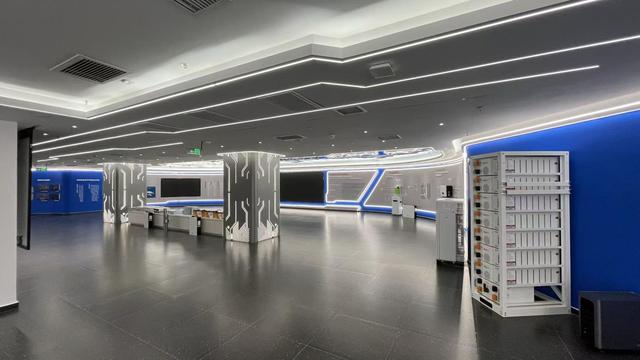
Take a transparent look inside our Ningbo manufacturing facilities. Our factories utilize precision automation, robotized cell positioning, and advanced laminators to ensure all solar roof products exceed performance standards prior to shipping to South Korean projects.
We address the critical engineering, logistical, and commercial inquiries raised by South Korean procurement managers and international EPC developers looking to source solar systems for Busan installations.
Whether you are planning a commercial logistics rooftop project in Busan Port or distributing residential BIPV products across South Korea, our engineering team is here to support your procurement needs.
 Halkirk Solar