Deploying robust, ultra-lightweight, and corrosion-resistant solar equipment specifically designed for Kathmandu’s mountainous hydro-reservoirs and rugged eco-tourism operations.
An engineering analysis of marine-grade solar systems in landlocked alpine environments, high-altitude floating PV deployment, and climate-resilient energy infrastructure in Kathmandu, Nepal.
While marine-grade photovoltaic (PV) engineering has traditionally catered to oceanic shipping, coastal yachts, and offshore oil platforms, recent advancements in encapsulation science, anti-corrosive polymers, and flexible solar architecture have expanded its domain into high-altitude inland regions like the Kathmandu Valley and the broader Himalayan basin in Nepal. Kathmandu, situated at an altitude of approximately 1,400 meters above sea level, presents a unique environmental operational matrix: high solar irradiance coupled with intense ultraviolet (UV) exposure, severe seasonal monsoon humidity, thermal cycling, and specialized micro-grid infrastructure requirements.
The demand for marine solar panel manufacturers in the Kathmandu market has experienced exponential growth due to three critical technological applications:
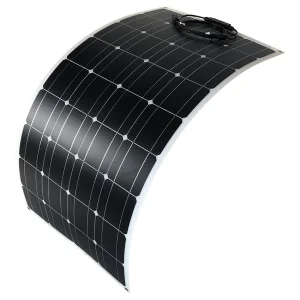
Marine solar modules designed for Kathmandu's high-UV, moisture-dense microclimates utilize advanced Ethylene Tetrafluoroethylene (ETFE) surface laminates and N-type TOPCon/HPBC silicon cells. Unlike standard glass panels that degrade rapidly under severe high-altitude thermal fluctuations, ETFE lamination provides self-cleaning properties, high light transmission (95%), and zero micro-cracking vulnerability during thermal expansion cycles.
Selecting the optimal PV architecture requires a quantitative assessment of cell chemistry, structural lamination, weight-to-power ratios, and environmental resilience metrics tailored to Kathmandu’s geographic parameters.
| Solar Module Technology | Efficiency Range | Weight / m² | Bending Angle | UV & Humidity Resistance | Primary Kathmandu Application |
|---|---|---|---|---|---|
| ETFE Monocrystalline Flexible | 21.5% - 23.2% | ~2.1 kg | 30° - 45° | Ultra-High (ETFE Marine Grade) | Yachts, RVs, Eco-Tourism Boats, Alpine Rooftops |
| CIGS Thin-Film Flexible | 16.5% - 18.0% | ~1.4 kg | Up to 360° | Exceptional (Polymer Co-extrusion) | Curved Architectural Roofs, Military Tents, Backpacking |
| HDPE Floating Hydro-PV Arrays | 20.0% - 22.5% | Structural Float Base | Rigid Frame on Float | IP68 Waterproof / Salt-Mist Safe | Hydro Reservoirs (Kulekhani), Lakes, Water Treatment |
| Bifacial Glass-Glass Mono | 22.0% - 24.0% | ~11.5 kg | 0° (Rigid) | High (Dual Glass Barrier) | High-Albedo Ground Mounts & Fixed Marine Buoys |
As a globally recognized marine solar panel manufacturer supplying partners in Kathmandu and across seven continents, Ningbo Halkirk Solar Co., Ltd. enforces strict quality control standards exceeding standard IEC requirements. Below is the official manufacturer disclosure detailing manufacturing capability, R&D expertise, and custom project execution:
Ningbo Halkirk Solar Co., Ltd. is a professional China solar panel manufacturer and monocrystalline & bifacial solar module supplier, dedicated to delivering high-efficiency renewable energy solutions to customers worldwide. Located in Ningbo, China, the company integrates research and development, manufacturing, quality control, and global sales to provide reliable solar products for residential, commercial, industrial, and utility-scale applications.
Halkirk Solar specializes in the production of monocrystalline solar panels, bifacial solar modules, TOPCon solar panels, N-type solar modules, off-grid solar solutions, on-grid solar systems, and customized photovoltaic products. Leveraging advanced cell technology and intelligent manufacturing processes, our products are designed to maximize energy output, improve conversion efficiency, and ensure long-term performance in diverse environmental conditions.
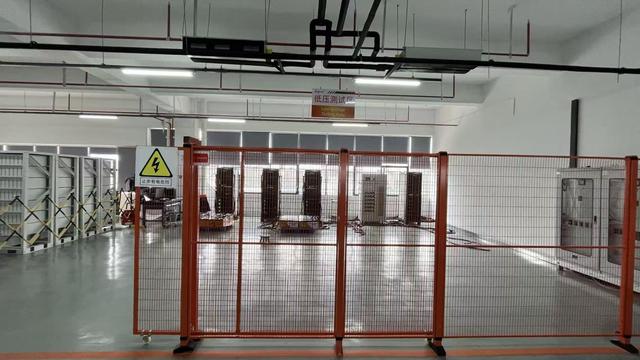
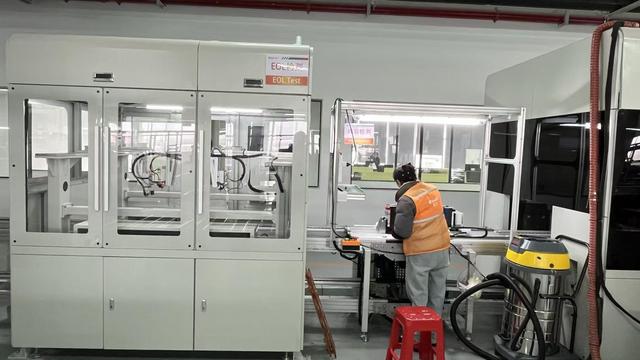
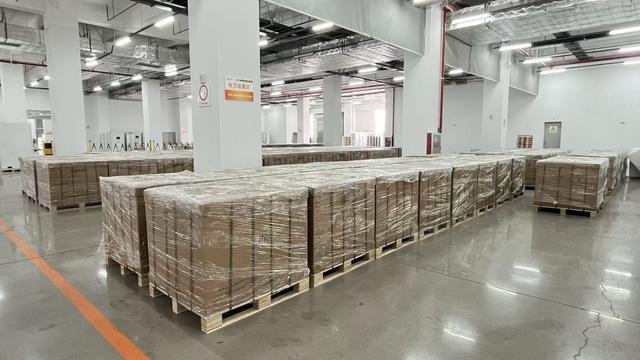
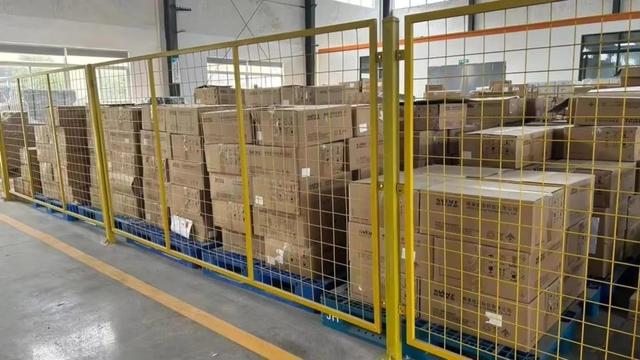
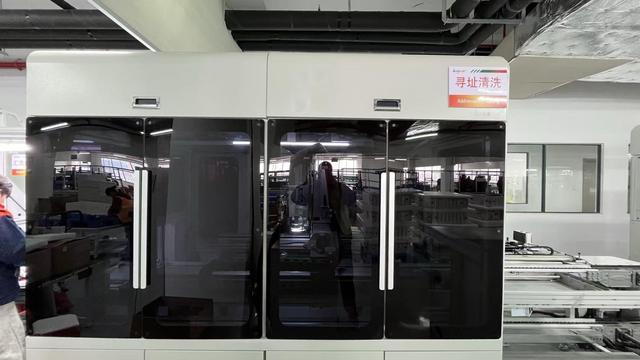
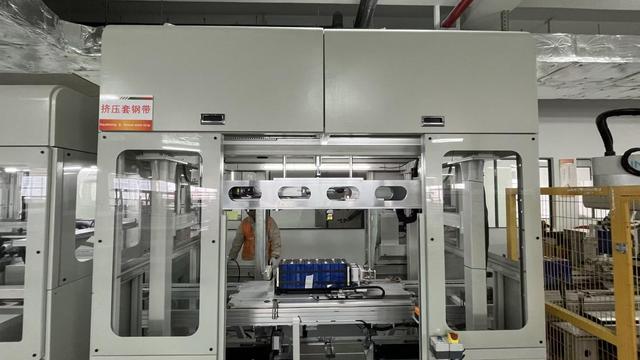
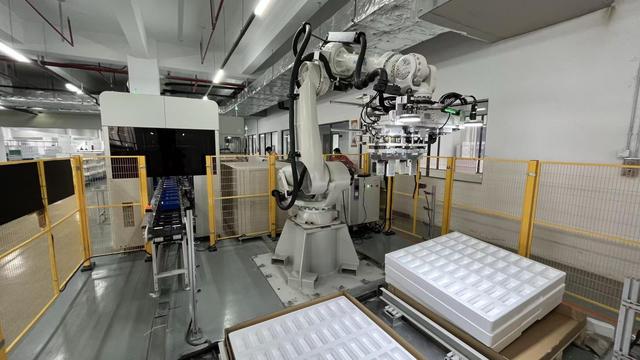
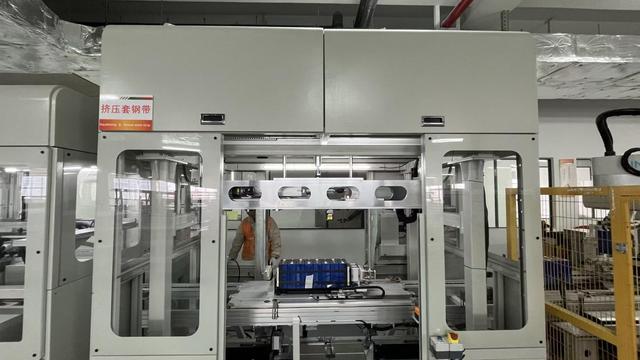
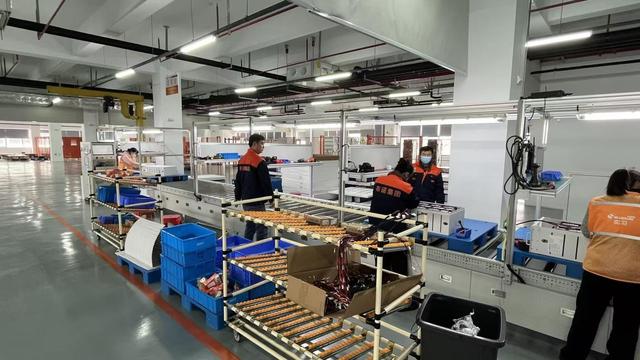
Our modern manufacturing facility is equipped with automated production lines, precision testing equipment, and strict quality management systems. Every solar module undergoes comprehensive inspections and performance testing to guarantee superior reliability, durability, and compliance with international standards. We are committed to providing products that meet the evolving demands of the global renewable energy market.
To better serve international customers, Halkirk Solar offers flexible OEM and ODM services for solar brands, distributors, EPC contractors, wholesalers, and project developers. Our experienced engineering and technical teams work closely with clients to deliver customized solar solutions tailored to specific project requirements, market demands, and branding needs.
Driven by innovation, sustainability, and customer satisfaction, Ningbo Halkirk Solar Co., Ltd. continues to expand its presence in global markets. We strive to become a trusted partner in the photovoltaic industry by providing high-quality solar modules and comprehensive clean energy solutions that contribute to a greener and more sustainable future.
Deploying solar energy solutions in Kathmandu and surrounding regions presents complex engineering challenges that standard glass solar panels cannot adequately resolve:
A. High UV Index and Thermal Degradation Mitigation: At elevations exceeding 1,400 meters, UV irradiation accelerates yellowing and delamination in standard EVA-encapsulated panels. Halkirk Marine Solar Panels utilize UV-stabilized POE (Polyolefin Elastomer) encapsulation paired with high-transmittance ETFE top sheets, preventing discoloration and preserving module yield over a 25-year service life.
B. Monsoon Moisture Ingress & Corrosion Resistance: Severe precipitation during the Nepalese monsoon season often causes junction box failure and corrosion in low-tier panels. Our marine solar panels incorporate IP68 rated, epoxy-potted junction boxes with bypass diodes and tin-coated copper interconnect ribbons, tested against IEC 61701 salt mist and high-humidity ingress standards.
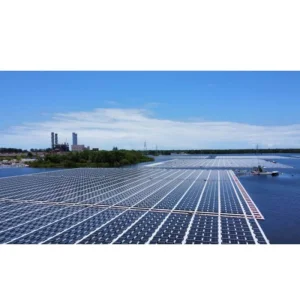
C. Mechanical Resilience & Wind Resistance on High-Altitude Lakes: Floating solar platforms on mountainous reservoirs must endure gusty winds and dynamic water movement. Our HDPE floating Sun Tracker hydraulic arrays feature modular aerodynamic contours and reinforced anchoring geometry that disperse wave stress while auto-orienting toward optimal solar angles.
Installing floating solar panels directly on hydropower water surfaces reduces evaporation by up to 60% while providing supplementary energy during dry seasons when water levels and hydro-generation drop. Integrated hydraulic sun tracking increases daily energy output by 15% to 22%.
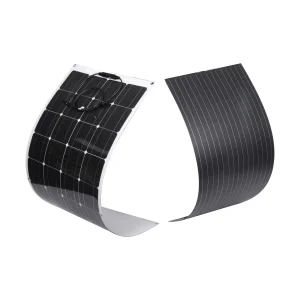
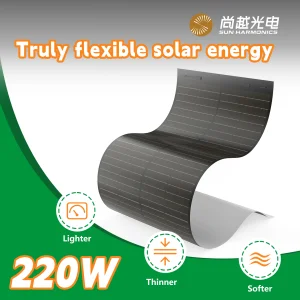
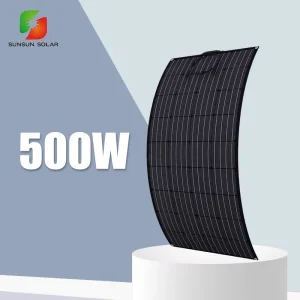
Electric boats and luxury rafts on Phewa Lake and Trishuli River rely on lightweight 100W-500W ETFE semi-flexible monocrystalline panels mounted directly on canvas tops and biminis, operating silently without diesel fumes or heavy lead-acid weight.
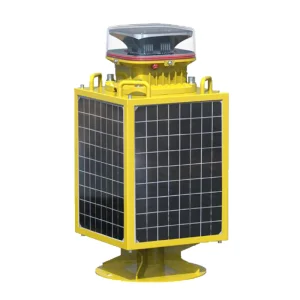
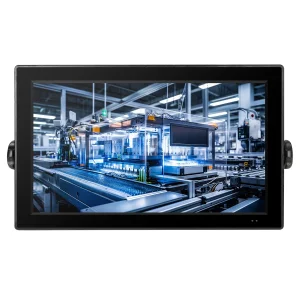
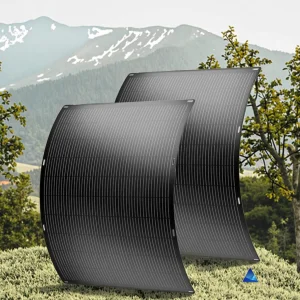
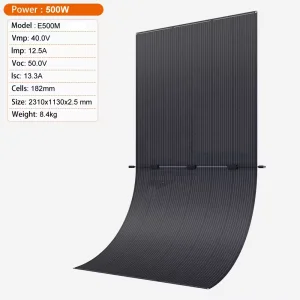
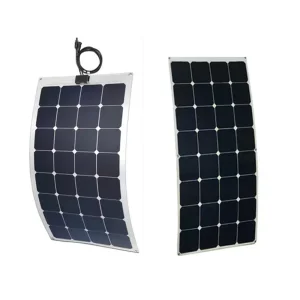
Explore our complete range of flexible solar panels, marine navigation systems, CIGS thin-film modules, and high-intensity waterproof displays engineered for Kathmandu and international commercial projects.
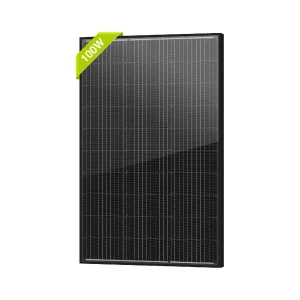
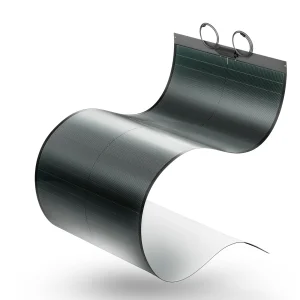
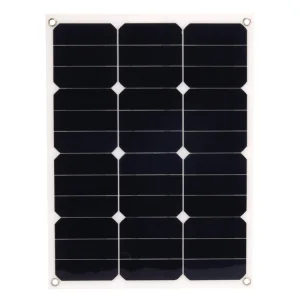
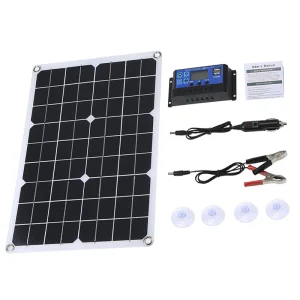
Next-generation engineering directions designed to increase efficiency, reduce system mass, and simplify distribution in Kathmandu and regional hubs.
Next-generation flexible modules reaching over 28% efficiency by layering perovskite thin-films over silicon substrates, significantly reducing array footprint for Kathmandu's space-constrained installations.
Marine-grade flexible panels embedded with ultra-compact micro-inverters delivering AC power directly from each panel, streamlining installation for non-technical field operators and eco-resorts.
Advanced ETFE surface formulations that autonomously seal micro-scratches caused by airborne sand, hail, or debris, extending high-altitude service life beyond 30 years.
Answers to essential technical and commercial questions regarding marine solar panel selection, procurement, and deployment in Kathmandu, Nepal.
Partner with Ningbo Halkirk Solar Co., Ltd. for direct engineering support, competitive wholesale pricing, and reliable global supply chain logistics.
 Halkirk Solar