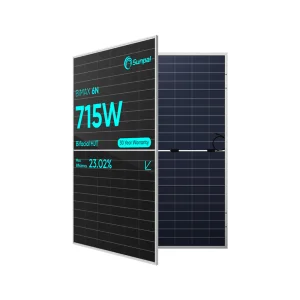
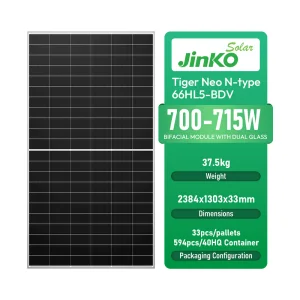
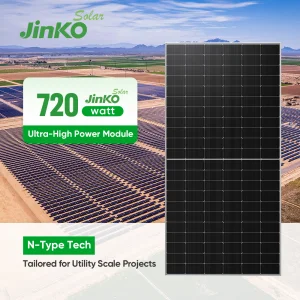
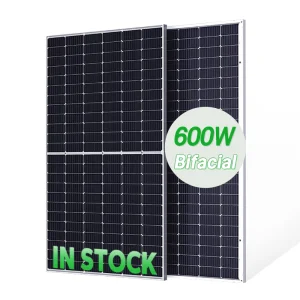
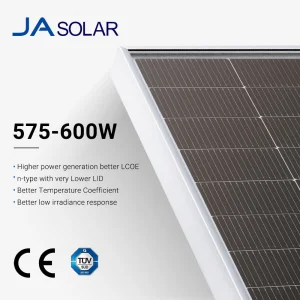
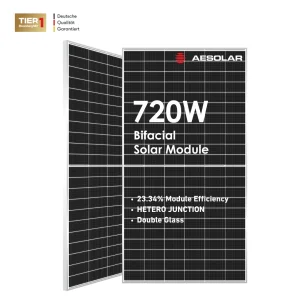
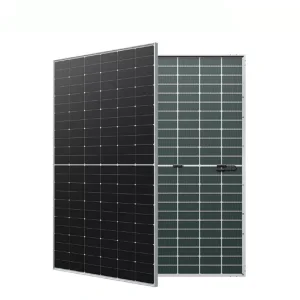
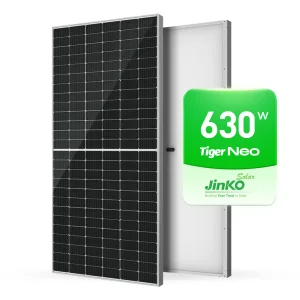
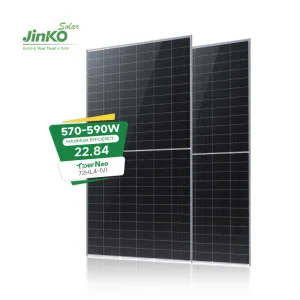
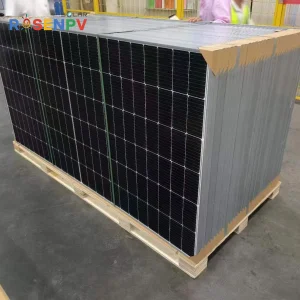
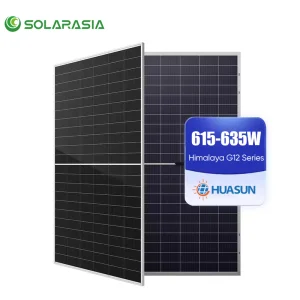
As the "Gateway to the Red Sea," Djibouti is positioned as a global logistics hub. However, its extreme environmental conditions—characterized by ambient temperatures often exceeding 45°C and high saline-mist from the coast—demand solar technology that transcends standard PERC modules. This is where HJT (Heterojunction Technology) panels provided by Ningbo Halkirk Solar Co., Ltd. offer a game-changing advantage.
Unlike traditional P-type cells, HJT modules combine the advantages of monocrystalline silicon with the excellent absorption and passivation characteristics of amorphous silicon. For Djibouti’s industrial developers and government energy departments, HJT offers the lowest Levelized Cost of Energy (LCOE) due to its superior temperature coefficient and bifaciality.
In regions like Grand Bara, standard solar panels lose efficiency as they heat up. HJT panels feature a power temperature coefficient of approximately -0.24%/°C, compared to -0.35% for PERC. This means at an operating temperature of 70°C, HJT modules can produce 8-12% more energy per installed kilowatt than conventional panels.
Djibouti's desert terrain provides a high albedo (reflectivity). Our N-type HJT modules reach a bifaciality rate of up to 95%. This allows the rear side of the panel to capture reflected sunlight from the sand, significantly boosting the total power output for utility-scale projects serving the Doraleh Port and Free Zones.
| Feature | Conventional PERC | TOPCon | HJT (Halkirk Solar) |
|---|---|---|---|
| Cell Structure | P-Type Multi-layer | N-Type Tunnel Oxide | N-Type Symmetrical HJT |
| Degradation (Year 1) | 2.0% - 2.5% | 1.0% | 0.5% - 1.0% |
| PID/LID Resistance | Medium | High | Immune (Naturally) |
| Process Steps | 8-9 Steps | 12-14 Steps | 5-7 Steps (Lower Carbon) |
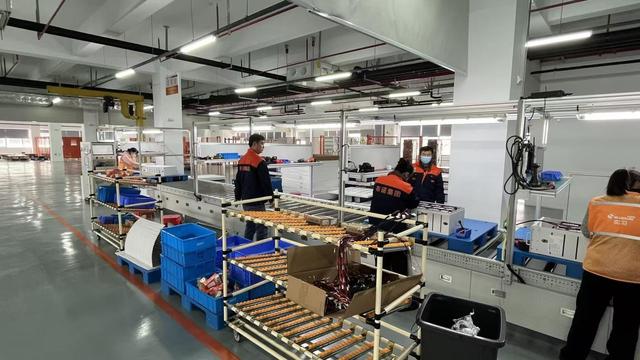
Procuring solar components for the Djibouti market involves complex logistics and a need for stringent quality assurance. Ningbo Halkirk Solar Co., Ltd. serves as a bridge between high-end Chinese manufacturing and East African energy demands. Our factory in Ningbo utilizes proximity to one of the world's largest ports to ensure streamlined shipping to the Port of Djibouti.
We provide Tier 1 brand compatibility and localized support. Whether you are a Djibouti-based wholesaler or an international EPC contractor managing a 50MW project near Ali Sabieh, our supply chain ensures that the N-type HJT modules arrive with TUV, CE, and UL certifications, ready for immediate installation.
Tailored labeling and technical specifications for local Djibouti brands.
High performance insurance and bankable reports for project financing.
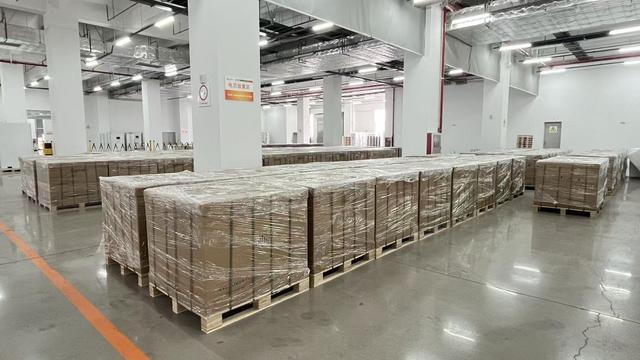
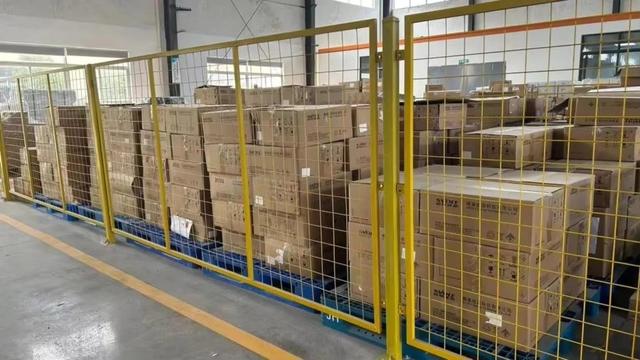
Optimized container loading to Port de Djibouti to minimize breakage and costs.
Djibouti relies heavily on desalination. Integrating HJT solar farms with desalination plants provides a stable, low-cost power source, mitigating the impact of volatile fuel prices on the national water supply.
The digitalization and electrification of the Port of Djibouti require immense power. Our 700W+ HJT modules are ideal for high-density rooftop installations on port warehouses, maximizing every square meter of available space.
For remote areas like Dikhil or Tadjoura, Halkirk’s off-grid HJT solutions combined with N-type high-efficiency storage systems provide 24/7 reliability for healthcare and education facilities.
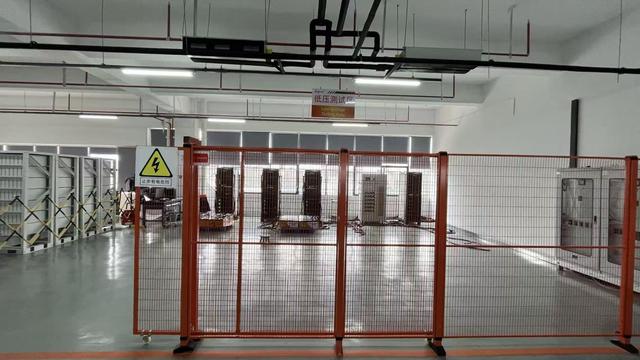
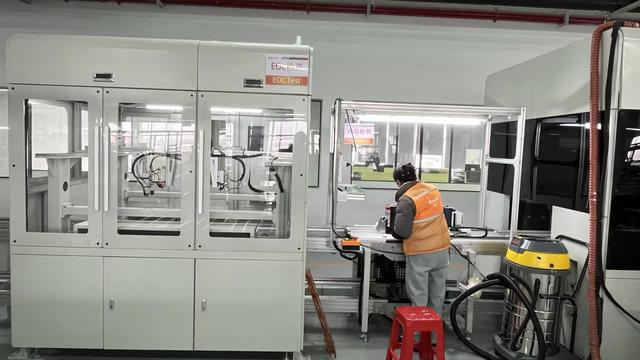
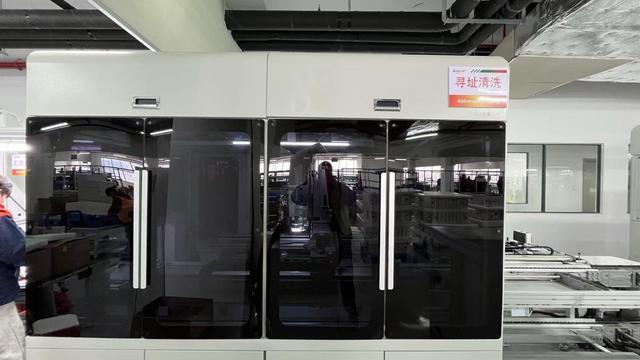
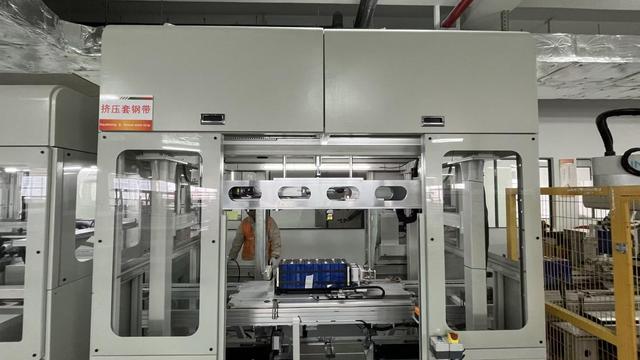
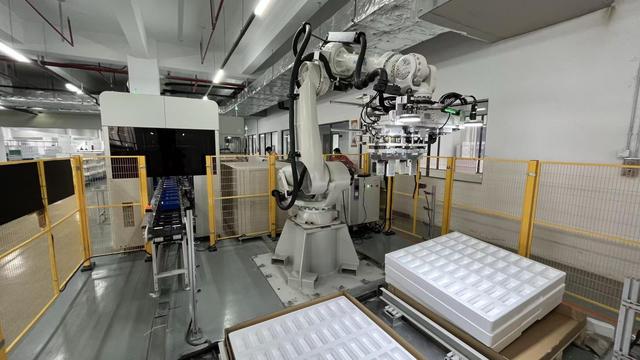
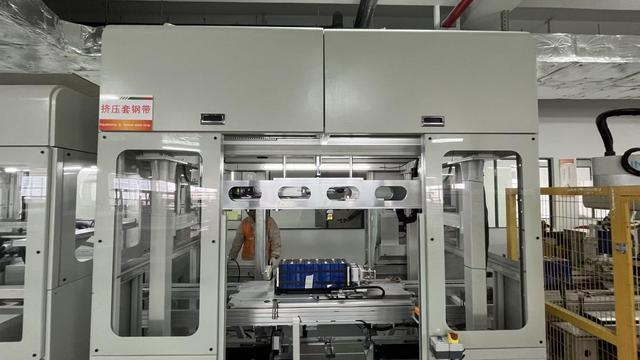
Ningbo Halkirk Solar Co., Ltd. integrates the latest in AI-driven manufacturing. Each HJT panel undergoes Triple EL (Electroluminescence) Testing to ensure no micro-cracks exist before shipment. Our facility is equipped with fully automated stringers and laminators designed specifically for the sensitive handling of HJT wafers.
Our R&D team is currently focusing on the HJT-Perovskite Tandem Cell roadmap, which aims to push commercial module efficiency beyond 26% in the coming years. This ensures that our partners in Djibouti are investing in a future-proof technology.

 Halkirk Solar