Direct supply of high-performance modules optimized for micro-grids, marine crafts, and architectural integration across Maldivian resorts.
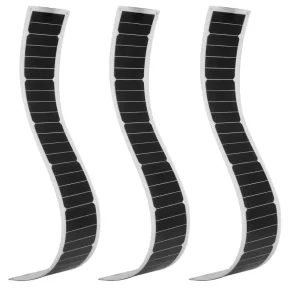
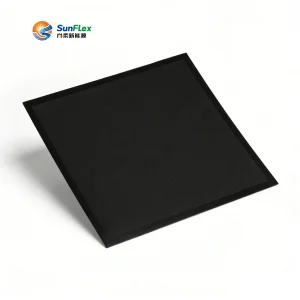
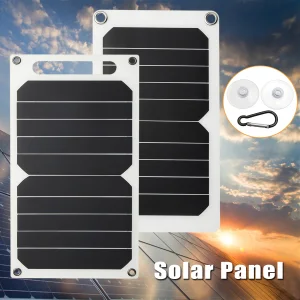
The Republic of Maldives presents one of the most demanding environmental landscapes for solar infrastructure globally. Operating in an archipelago of over 1,192 coral islands requires engineering that goes far beyond standard mainland designs. High atmospheric salinity, unrelenting UV exposure, structural load limitations on delicate overwater thatched structures, and high wind velocity vectors require solar technology that is durable, lightweight, and adaptable.
Historically, Maldivian luxury resorts and local communities relied heavily on imported diesel fuels for electricity generation. As the nation targets Net-Zero Carbon Emissions by 2030, transitioning to decentralized solar PV systems has become imperative. However, rigid glass modules introduce significant engineering bottlenecks:
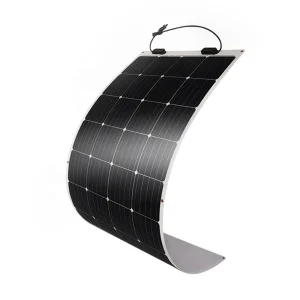
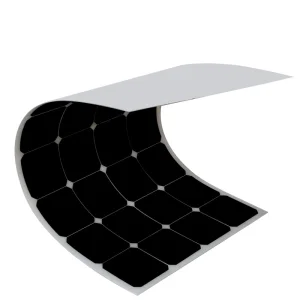
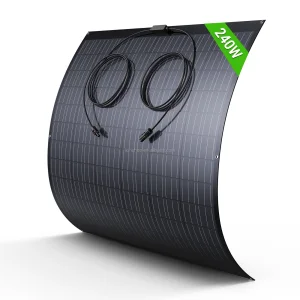
Flexible PV modules manufactured by Ningbo Halkirk Solar address these issues by eliminating rigid aluminum structures entirely. They adhere directly to curved or structural surfaces via specialized polymer bonding, preventing wind drag and salt accumulation underneath the panel frame.
Our flexible modules utilize advanced Ethylene Tetrafluoroethylene (ETFE) fluoropolymer encapsulation. Unlike cheaper PET-based flexible solar panels, which yellow, delaminate, and degrade within 2 years of intense equatorial UV exposure, ETFE provides over 95% light transmittance, self-cleaning anti-soiling properties, and exceptional resistance to UV-induced thermal-oxidative degradation.
This chemical integrity makes ETFE modules ideal for high-humidity, marine environments, ensuring continuous electrical output even under constant salt-mist conditions.
Flexible PV integration across tourism, marine logistics, utility microgrids, and remote telecom sectors.
Delicate luxury overwater villas require zero-penetration, lightweight rooftop solar arrays. Flexible modules conform to complex curved roofs without altering the aesthetic appeal of premium eco-resorts, lowering localized cooling demand via structural shade profiling.
Traditional dhonis, luxury yachts, and coastal supply vessels utilize flexible PV arrays applied directly to deck houses and Bimini tops. This provides auxiliary power generation for cooling, communications, and electronics without adding top-heavy weight that could compromise vessel stability.
Given the scarcity of land in island nations, floating solar on sheltered lagoons is a growing trend. Lightweight flexible panels integrated onto floating HDPE pontoons reduce structural demands while maintaining high efficiency through passive water-cooling effects.
Powering remote weather stations, marine beacons, and telecom repeaters requires robust, maintenance-free power generation. Ultra-thin profiles allow wrap-around installation on vertical cylindrical poles to capture light from 360-degree albedo reflections off coral sand.
The global solar industry has shifted from focusing purely on gigawatt-scale, ground-mounted utility parks to high-value architectural and transport integration. Building-Integrated Photovoltaics (BIPV) and Vehicle-Integrated Photovoltaics (VIPV) are leading the next generation of solar development. Flexible solar technology is at the forefront of this shift, offering an alternative to standard rigid silicon modules.
By utilizing thin-film copper indium gallium selenide (CIGS) chemistry alongside high-efficiency crystalline silicon (c-Si) back-contact cells, modern flexible panels achieve conversion efficiencies exceeding 22%. This efficiency is comparable to standard glass modules but comes with a 85% weight reduction.
From a logistics perspective, flexible modules offer significant cost savings. Their low profile allows them to be packed in compact rolls, reducing shipping volumes and lower overseas freight costs. For remote markets like the Maldives, where freight logistics are complex, this provides a major cost advantage.
A leading manufacturer of high-efficiency monocrystalline and customized photovoltaic modules for global markets.
Ningbo Halkirk Solar Co., Ltd. is a professional China solar panel manufacturer and monocrystalline & bifacial solar module supplier, dedicated to delivering high-efficiency renewable energy solutions to customers worldwide. Located in Ningbo, China, the company integrates research and development, manufacturing, quality control, and global sales to provide reliable solar products for residential, commercial, industrial, and utility-scale applications.
Halkirk Solar specializes in the production of monocrystalline solar panels, bifacial solar modules, TOPCon solar panels, N-type solar modules, off-grid solar solutions, on-grid solar systems, and customized photovoltaic products. Leveraging advanced cell technology and intelligent manufacturing processes, our products are designed to maximize energy output, improve conversion efficiency, and ensure long-term performance in diverse environmental conditions.
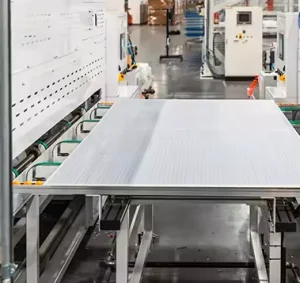
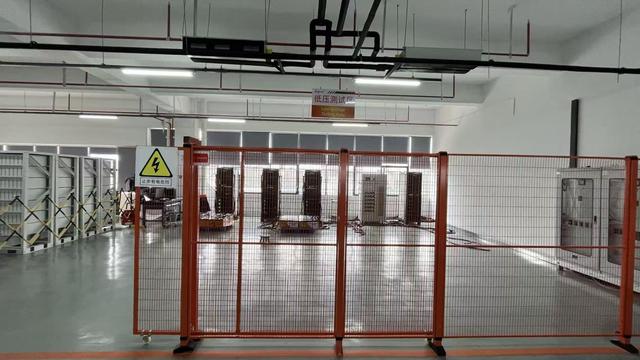
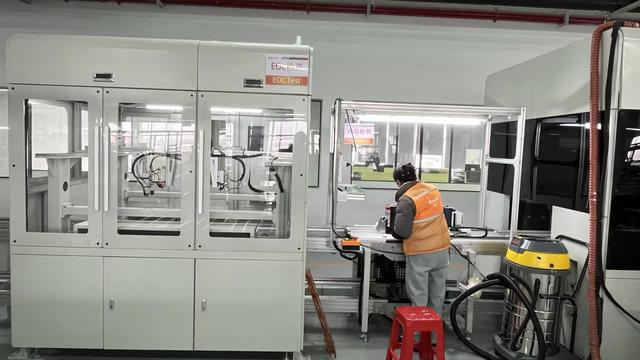
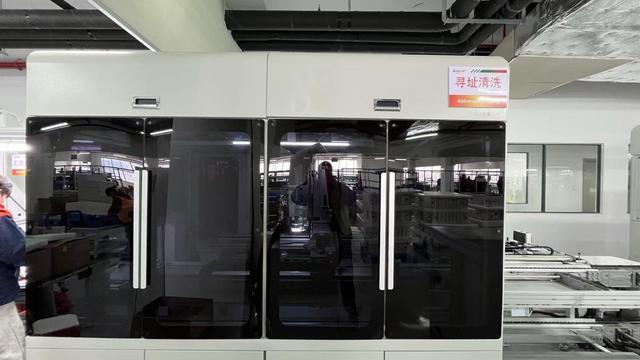
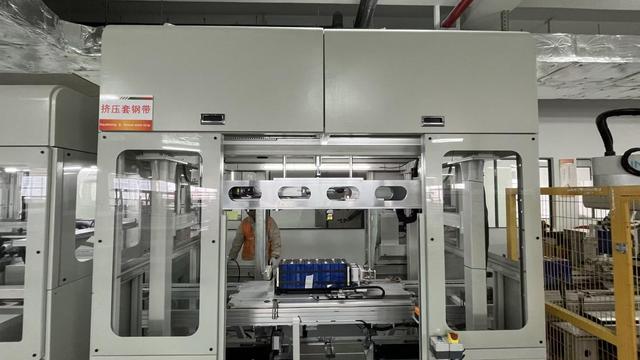
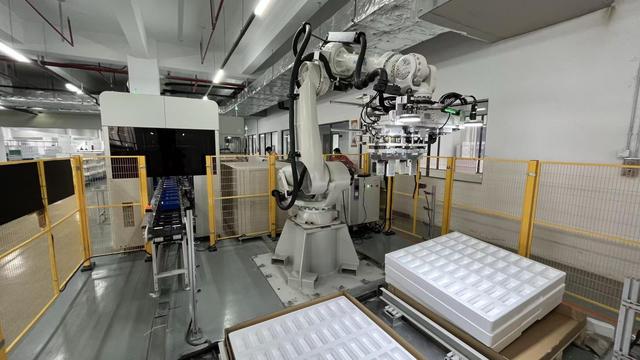
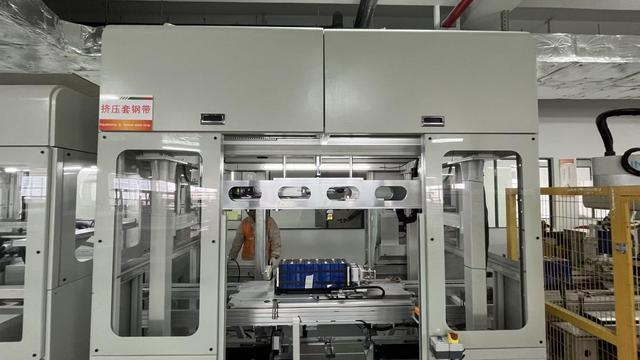
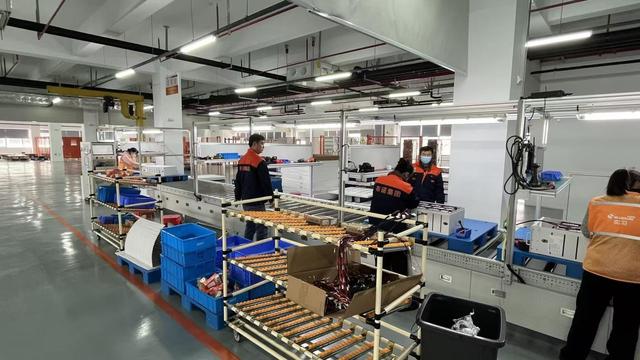
Our modern manufacturing facility is equipped with automated production lines, precision testing equipment, and strict quality management systems. Every solar module undergoes comprehensive inspections and performance testing to guarantee superior reliability, durability, and compliance with international standards. We are committed to providing products that meet the evolving demands of the global renewable energy market.
To better serve international customers, Halkirk Solar offers flexible OEM and ODM services for solar brands, distributors, EPC contractors, wholesalers, and project developers. Our experienced engineering and technical teams work closely with clients to deliver customized solar solutions tailored to specific project requirements, market demands, and branding needs.
Driven by innovation, sustainability, and customer satisfaction, Ningbo Halkirk Solar Co., Ltd. continues to expand its presence in global markets. We strive to become a trusted partner in the photovoltaic industry by providing high-quality solar modules and comprehensive clean energy solutions that contribute to a greener and more sustainable future.
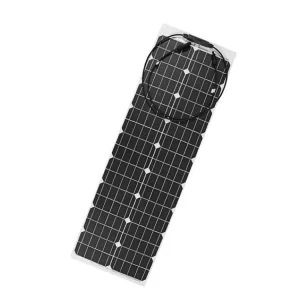
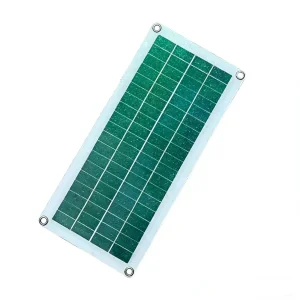
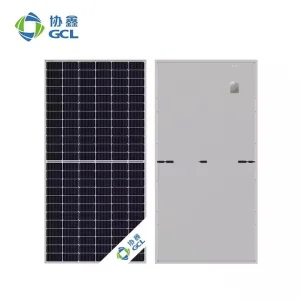
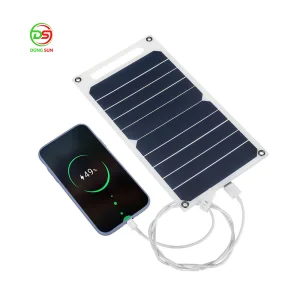
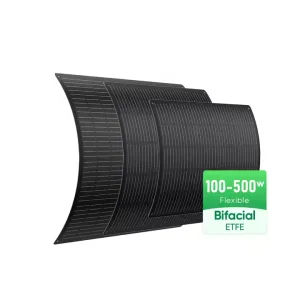
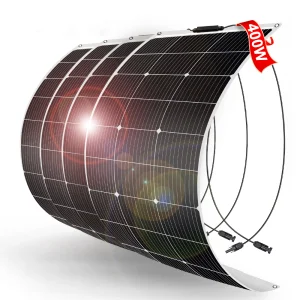
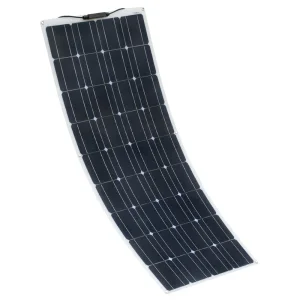
A comprehensive range of lightweight solar panels optimized for residential, marine, and industrial applications across the Maldives.
Ensuring timely delivery and standard compliance for projects in the Maldivian archipelago.
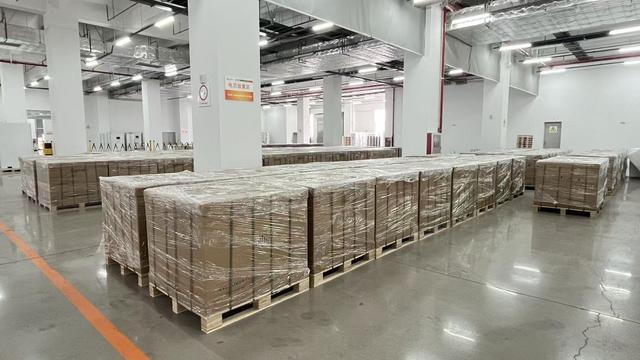
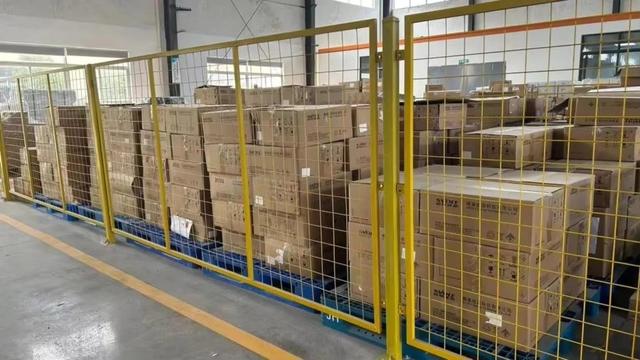
Operating out of Ningbo Port, Ningbo Halkirk Solar enjoys direct shipping routes to the Port of Malé. Given the geography of the Maldives, we manage custom wooden crate packaging designed to protect flexible modules during both maritime transit and domestic transfer via speedboats or dhonis to resort islands.
We handle all export documentation, Certificates of Origin (CO), and bill of lading compliance. This supports Maldivian import tariff waivers for renewable energy systems, helping local operators maximize cash flow.
All Halkirk Solar modules comply with the regulatory frameworks of the Maldives Energy Authority (MEA) for net-metering. Our grid-tie systems integrate with standard inverter brands (like SMA, Sungrow, and Huawei) that are widely used across Maldivian local utility grids managed by FENAKA and STELCO.
Whether implementing a resort microgrid with diesel-PV hybrids or connecting to local island grids, our modules meet all harmonic control, reactive power support, and automated anti-islanding parameters.
The technology roadmap for flexible PV modules is rapidly evolving. At Ningbo Halkirk Solar, we are transitioning from standard p-type passivated emitter and rear cell (PERC) architectures to N-type TOPCon and Heterojunction (HJT) cell designs. This transition increases flexible panel cell efficiency past 23%.
Furthermore, the integration of Perovskite-Silicon tandem cell layers represents a major technology milestone. Perovskite coatings capture shorter wavelengths of light in blue and green spectrums, while silicon absorbs infrared wavelengths. This combination allows for over 30% solar cell conversion efficiencies in real-world conditions.
Future flexible solar modules will incorporate integrated printed sensor layers. These sensors measure real-world structural flex, temperature, and bypass diode health, sending system performance data directly to cloud dashboards via LoRaWAN telemetry. This enables preemptive maintenance for remote Maldivian island installations.
Transitioning all commercial flexible arrays to N-type cell layouts, minimizing LID (Light Induced Degradation) and improving performance in low-light conditions.
Introducing advanced multi-layer ETFE formulations with enhanced salt mist deflection and self-cleaning profiles.
Scaling lightweight Perovskite tandem arrays to provide higher power density on small roofs and vessel decks.
Detailed technical answers for engineering consultants, resort owners, and project developers in the Maldives.
Consult with our engineers to secure technical specifications, project drawings, and competitive direct-to-destination quotes.
Send Inquiry Now Halkirk Solar