Explore our premium selection of flexible solar solutions designed to meet the load capacity limits of historic Campania villas and the dynamic, curved contours of high-end yachting decks.
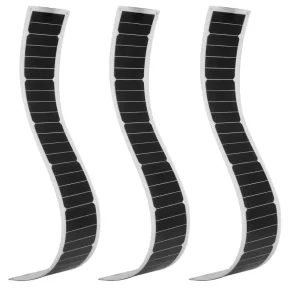
Naples and the surrounding Campania region occupy a unique position in the Mediterranean solar landscape. Boasting over 2,500 hours of natural sunshine annually, the geographical potential for solar energy extraction is among the highest in Southern Europe. However, implementing traditional photovoltaic infrastructure in Naples poses significant logistical, architectural, and structural engineering bottlenecks.
The city's historic landscape—governed by the strict preservation laws of the Soprintendenza Archeologia Belle Arti e Paesaggio—restricts the installation of heavy, visually intrusive glass solar arrays on historical buildings. Traditional rigid structures are often rejected because they alter the visual heritage of red clay roof tiles. This is where flexible solar panels provide an elegant solution. These modules install flat, follow curved roof contours, and remain virtually invisible from street level.
Flexible PV modules balance efficiency, weight, and adaptability to solve complex building designs.
| Parameters | Flexible Panels (ETFE/CIGS) | Standard Glass PV |
|---|---|---|
| Dead Load Weight | 2.1 - 3.5 kg/m² | 18.5 - 24.0 kg/m² |
| Bending Radius | Up to 30 degrees | 0 degrees (Rigid) |
| Wind Resistance | Up to 2400 Pa (flat mount) | Requires heavy wind deflector |
| Salt Mist Rating | IEC 61701 Class 6 Compliant | Variable frame corrosion risk |
Globally, the solar sector is transitioning from remote, centralized utility plants to decentralized, building-integrated photovoltaics (BIPV). High efficiency is no longer the only metric for success. Adaptability, structural safety, and low carbon footprints during manufacturing are equally critical.
Multi-national logistics companies, commercial port operators, and shipping fleets are turning to flexible solar modules to turn unused, low-load curved surfaces into active clean-power generators. In maritime settings, integrating lightweight solar into yacht hulls, RV roofs, and container ship tops is standard practice. Our flexible solar components are engineered to withstand vibration, heat stress, and mechanical bending, making them ideal for mobile and off-grid setups.
At the center of this shift is the deployment of advanced fluoropolymer (ETFE) coatings. Unlike older, cheap PET plastics that yellow and crack under intense UV radiation, industrial ETFE provides self-cleaning properties, high light transmission (95%), and a long lifespan of over 15 years.
Ultra-Lightweight Profile
ETFE Light Transmittance
Maximum Bend Radius
Cell Conversion Rate
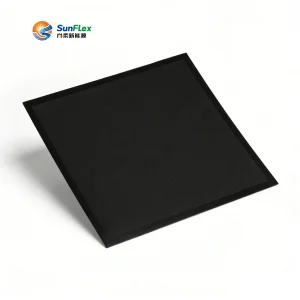
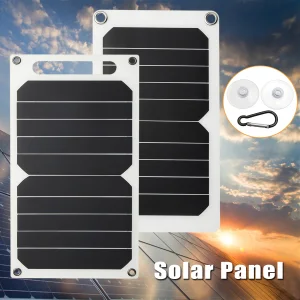
These four products feature high UV stability and robust construction, tailored for the maritime conditions of the Gulf of Naples.
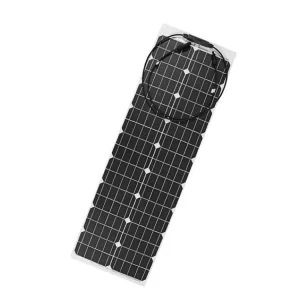
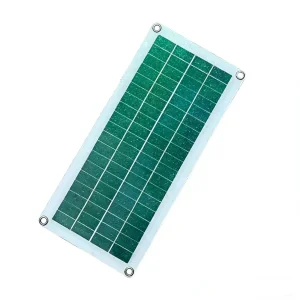
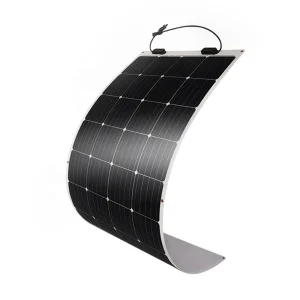
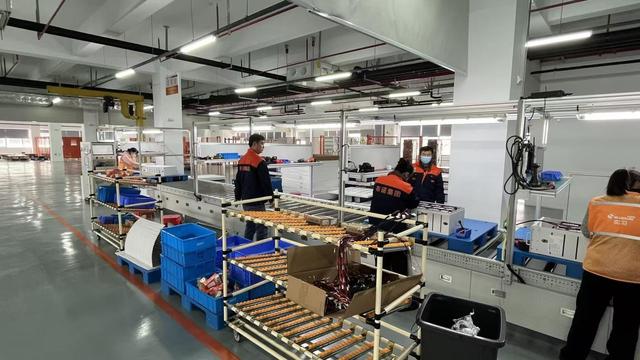
Ningbo is a global hub for solar technology. As a prominent manufacturer located here, Ningbo Halkirk Solar Co., Ltd. combines research, development, and advanced manufacturing to deliver high-quality solar products. Our localized factory advantages include:
Precision laser cutting and cell stringing systems minimize manual errors and micro-cracks.
We source premium grade polymers and high-efficiency cells for superior performance.
Direct shipping routes connect the Port of Ningbo to Naples (Port of Naples / Salerno) for efficient transit.
Custom sizes, voltages, junction box placements, and back-sheet color options are available.
Ningbo Halkirk Solar Co., Ltd. is a specialized China solar panel manufacturer and monocrystalline & bifacial solar module supplier. We focus on delivering high-efficiency renewable energy solutions to customers worldwide. Strategically located in the port city of Ningbo, China, we integrate R&D, automated manufacturing, and rigorous quality control to produce dependable products for residential, commercial, industrial, and utility-scale applications.
Halkirk Solar specializes in monocrystalline solar panels, bifacial solar modules, TOPCon solar panels, N-type solar modules, off-grid systems, on-grid systems, and custom PV designs. Utilizing advanced cell technologies, our products are engineered to maximize energy output, improve conversion efficiency, and perform reliably in harsh outdoor conditions.
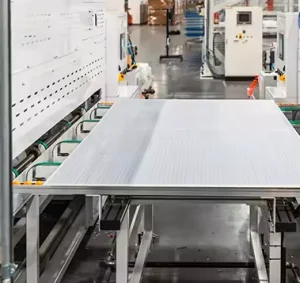
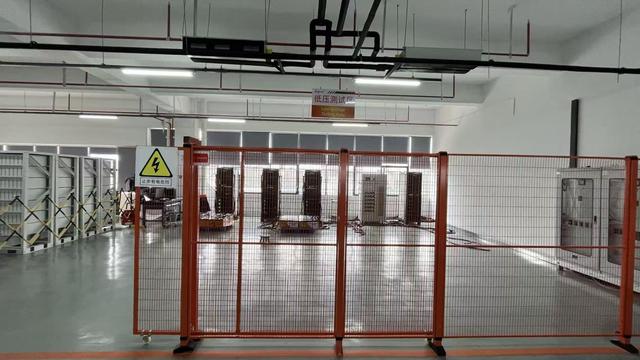
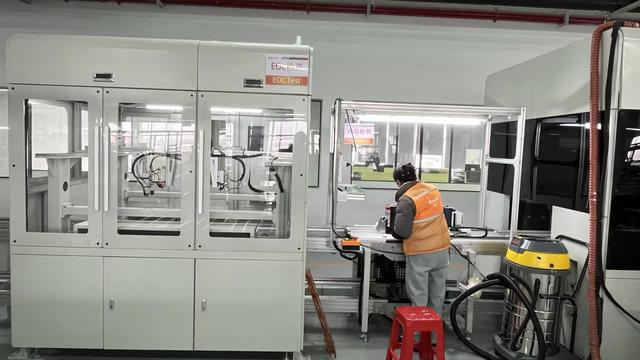
Our production facilities feature automated assembly lines, precision optical testing equipment, and quality management protocols. Every module undergoes rigorous mechanical stress and thermal cycle testing to ensure conformity with IEC, CE, and RoHS standards.
To serve our international clientele, we offer flexible OEM and ODM services for solar brands, local distributors, EPC contractors, wholesalers, and project developers. Our engineers work closely with customers to deliver customized solutions tailored to specific architectural, structural, and branding requirements.
Flexible photovoltaic systems solve specific integration challenges in Southern Italy where traditional rigid panels are not feasible.
In historic sites along the Amalfi Coast, Sorrento, and Naples, regulatory bodies restrict visible structural alterations. Flexible monocrystalline modules can be color-matched to dark gray or terracotta red, and applied directly to curved clay tiles using adhesive. This maintains visual compliance while providing clean energy to historical properties.
Naples is a major yachting hub. Custom boat builders and luxury yacht refurbishing facilities use our marine-grade ETFE flexible panels on cabin tops, biminis, and curved hulls. The panels are resilient against foot traffic, seawater exposure, and high temperatures, keeping onboard battery banks charged without adding unnecessary weight.
Many commercial warehouses, logistical depots, and transit halls in the Naples industrial zone (e.g., near Gianturco or San Giovanni a Teduccio) feature lightweight trapezoidal sheet metal roofs. These structures cannot support heavy glass panels and concrete ballast. Lightweight flexible panels paste directly onto the metal ribs, eliminating structural reinforcement costs.
As sustainability mandates grow, global Engineering, Procurement, and Construction (EPC) firms require reliable technology partners. Modern PV procurement values complete engineering documentation, long warranties, and transparent supply chains.
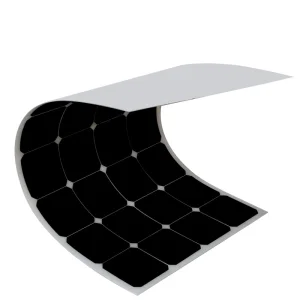
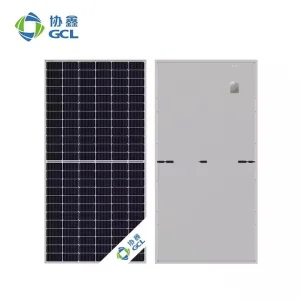
Review our specialized portfolio of lightweight, adhesive, and portable solar modules designed for diverse application demands.
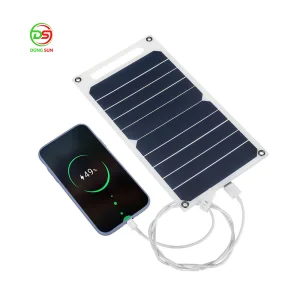
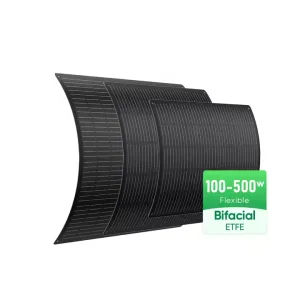
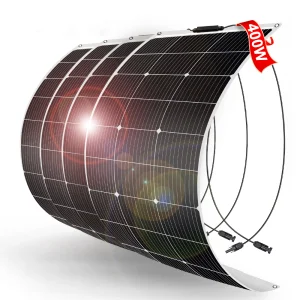
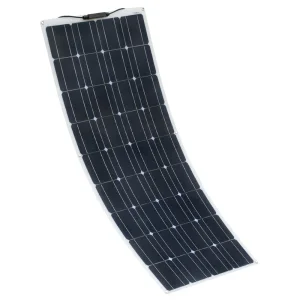
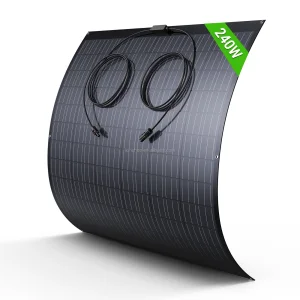
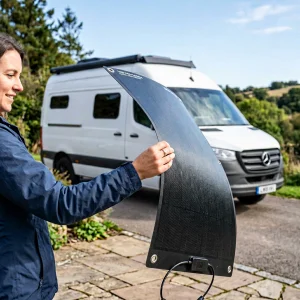
Key technical explanations for EPC engineers and system designers working with flexible solar installations.
ETFE (Ethylene Tetrafluoroethylene) panels typically have a lifespan exceeding 15 years in marine environments. PET (Polyethylene Terephthalate) modules are cheaper but tend to degrade within 3 to 5 years under intense UV and salt-mist exposure, which can lead to delamination and reduced efficiency.
Flexible panels flush-mounted without air space can experience higher operating temperatures. We mitigate this by using high-grade monocrystalline cells with a low temperature coefficient and suggesting thin insulating backerboards or textured structural adhesives to allow minimal airflow.
Yes, semi-flexible panels with ETFE top sheets are designed to tolerate light foot traffic. However, sharp objects or heavy impacts should be avoided to prevent micro-cracks inside the silicon cell layer.
We recommend using high-performance marine-grade polymer adhesives (such as SikaFlex 291 or 3M VHB structural tapes). These maintain adhesion under thermal expansion, high winds, and continuous exposure to saltwater.
Our junction boxes are rated IP67/IP68 and are filled with potting silica gel to exclude moisture and prevent salt corrosion on the electrical terminals. Bypass diodes are also integrated to protect performance during partial shading.
Contact our engineering and procurement team for custom dimension designs, bulk pricing rates, and shipping schedules to the Naples port or global destinations.
Send Inquiry Now Halkirk Solar