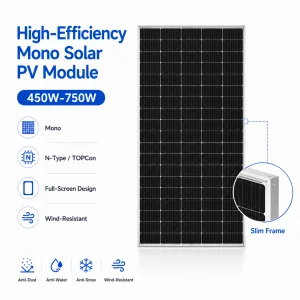
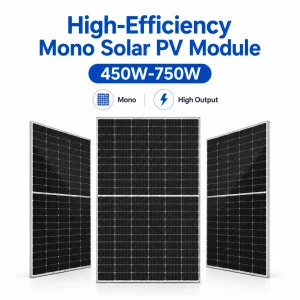
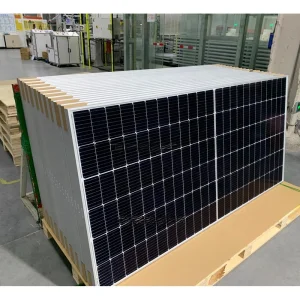
Pre-engineered configurations optimized for stable off-grid electricity generation in regional commercial projects and remote sites.
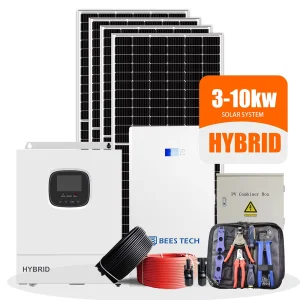
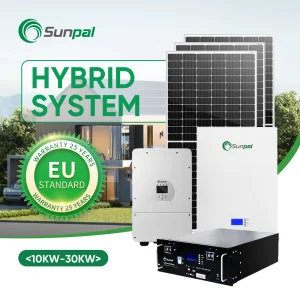
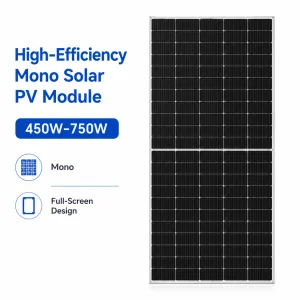
The Central African Republic (CAR) presents a unique logistical and energy landscape. With one of the lowest national grid electrification rates in sub-Saharan Africa, businesses in urban centers like Bangui, Bimbo, and Berberati, as well as remote agricultural and mining enterprises, face exorbitant operating costs due to reliance on diesel generators. To counteract this, industrial-scale solar setups have emerged as the leading path toward operational profitability.
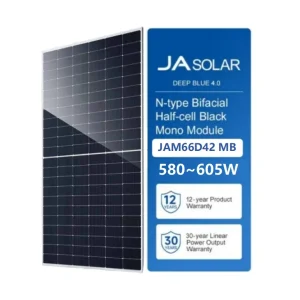
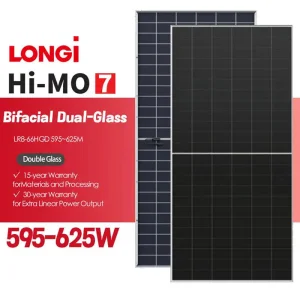
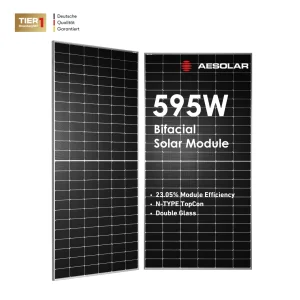
Deploying bifacial solar modules in CAR yields significant benefits. Large areas of the country feature sandy clay soils, high direct solar irradiance, and clear ground horizons. Bifacial modules tap into these conditions by capturing reflected light from the underside (the albedo effect). While a standard monofacial PV module degrades in yield during peak midday heat, our double-glass N-Type systems maintain peak output thanks to their superior temperature coefficient, generating up to 25% more energy per square meter.
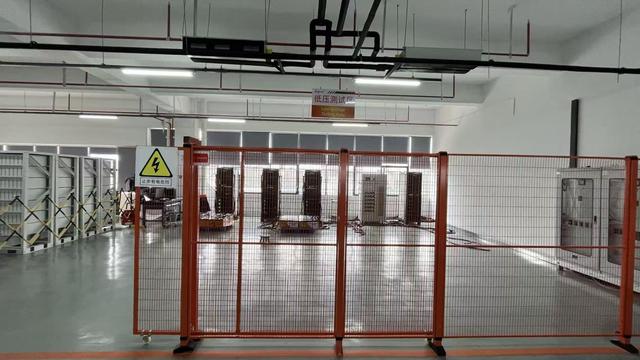
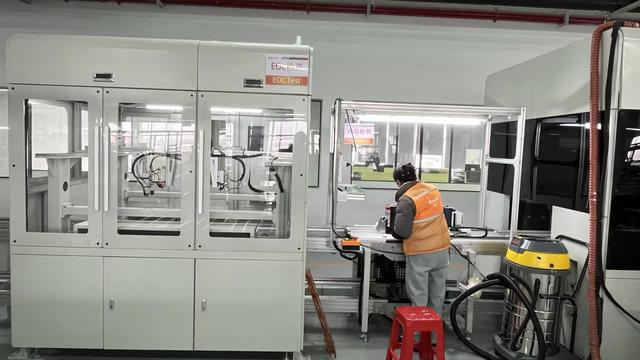
Ningbo Halkirk Solar Co., Ltd. is a dedicated manufacturer of monocrystalline and bifacial solar modules, situated in the manufacturing heartland of Ningbo, China. Positioned close to Ningbo Port, we manage shipping routes directly to key entry ports for Central Africa, primarily the Port of Douala (Cameroon) and the Port of Pointe-Noire (Congo). From these regional shipping hubs, we coordinate logistics through established overland corridors to ensure safe, secure delivery directly to your project sites in the Central African Republic.
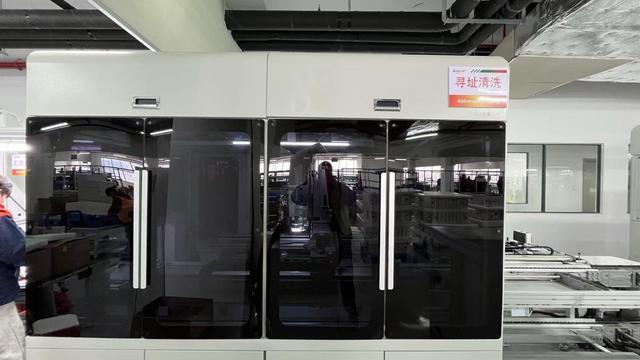
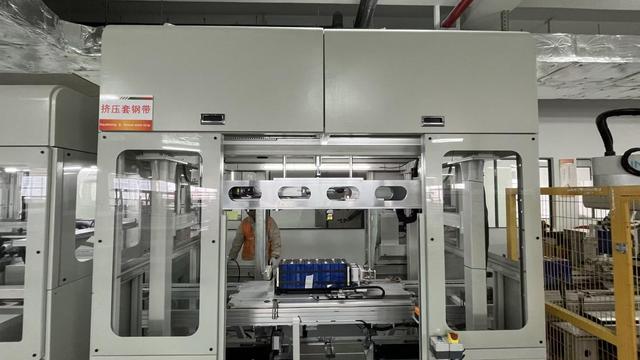
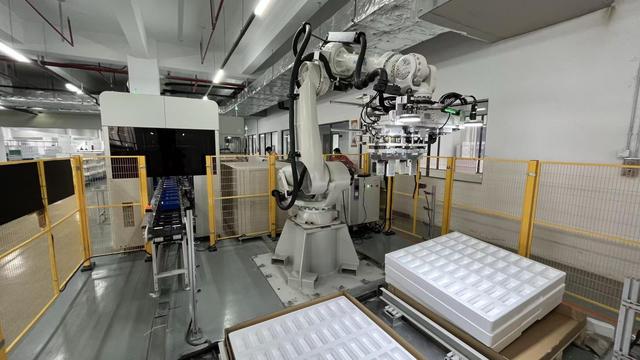
Our modern manufacturing facility utilizes fully automated assembly processes. This includes high-resolution EL (Electroluminescence) testing, non-destructive laser cutting to preserve structural integrity, and automated laminators that secure the dual-glass structure. Every solar module we supply is optimized for long-term performance, giving project developers and international EPC partners peace of mind when working in challenging regional climates.
To support diverse projects, we provide flexible OEM and ODM services. This enables solar distributors, mining enterprises, and NGOs in the CEMAC zone to specify custom frame colors, junction box profiles, and specialized module outputs tailored to local requirements.
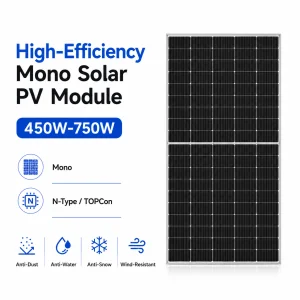
Premium monocrystalline modules engineered with robust encapsulation technologies for industrial installations, warehouses, and remote telecom sites.
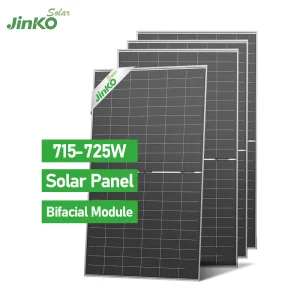
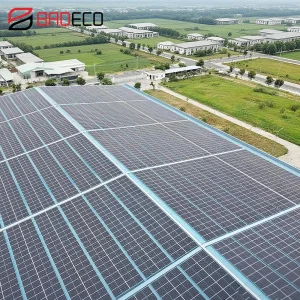
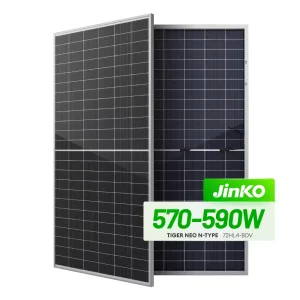
Building solar energy infrastructure in CAR requires careful, durable hardware specifications. High midday temperatures, intense tropical downpours, and seasonal Harmattan winds carrying abrasive dust call for premium monocrystalline components. At Ningbo Halkirk Solar Co., Ltd., we tackle these specific challenges through rigorous quality control procedures during cell laydown and structural laminating.
Our double-glass bifacial PV modules feature heavy-duty tempered safety glass on both sides. This increases static load resistance to withstand high winds while preventing PID (Potential Induced Degradation) caused by hot, humid environments. Our products comply with international certifications, including IEC 61215 and IEC 61730, and conform to local CEMAC customs inspections, providing clean, verified custom clearance paperwork for import through Cameroon or Congo.
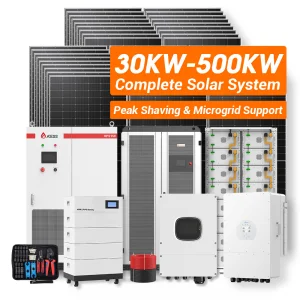
For large-scale utility and mining projects, Halkirk Solar works directly with international EPC contractors. We supply complete, containerized system configurations, including step-by-step installation guides and localized warranty documentation. This ensures system components fit together perfectly and function reliably for decades, even in isolated project locations.
Expert answers addressing customs procedures, technical layouts, and logistical concerns for local developments.
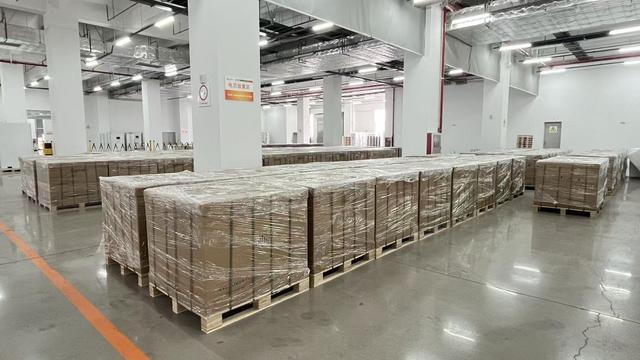
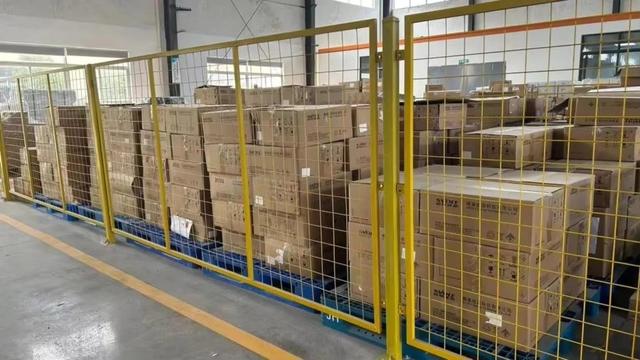
Our manufacturing and preparation facilities are optimized to supply international projects and secure regional shipments.
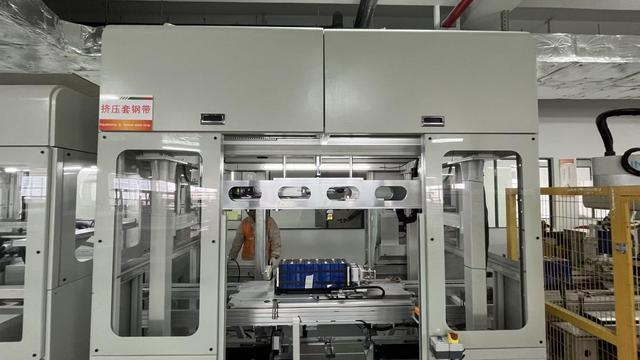
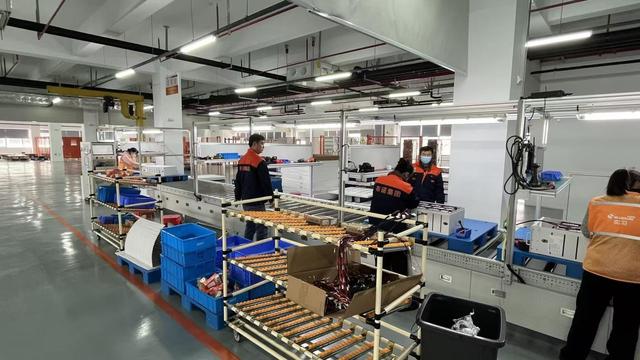
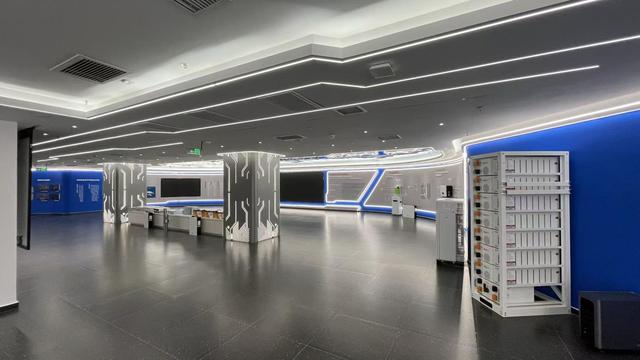
High-wattage modules, off-grid storage setups, and specialized solar building materials optimized for deployment in the CEMAC region.
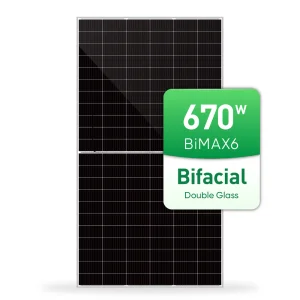
Whether you are planning a utility-scale installation near Bangui or setting up an off-grid system for a remote industrial site, Ningbo Halkirk Solar Co., Ltd. provides the technical support, custom manufacturing, and transport logistics to secure your investment.
Send Inquiry Now Halkirk Solar