High-efficiency, certified photovoltaic solar panels and systems engineered for maximum yield, long-term degradation resistance, and flexible deployment.
Decoding the rapid evolution of residential photovoltaic adoption, regulatory drivers, and economic grid parity across global markets.
The global residential solar cell manufacturing ecosystem is undergoing an unprecedented structural transition. Driven by geopolitical energy security mandates, carbon-neutral regulatory frameworks, and volatile retail electricity tariffs, distributed residential photovoltaic (PV) systems have shifted from alternative energy investments to fundamental household utility infrastructure. As global residential rooftop capacity surges past multi-gigawatt annual benchmarks, tier-1 suppliers and specialized original equipment manufacturers (OEMs) are innovating rapidly to capture market share.
In North America, the Inflation Reduction Act (IRA) tax credit structures have catalyzed localized clean energy manufacturing while maintaining stringent standards for module durability and traceably sourced wafers. Concurrently, European markets are prioritizing high-density roof coverage enabled by superior temperature coefficients and low-light performance. In emerging economies throughout Latin America, Southeast Asia, and Africa, off-grid and hybrid energy storage system (ESS) integrated solar kits are bypassing centralized infrastructure limitations, granting immediate power autonomy to millions of households.
To navigate this complex global supply landscape, procurement managers, EPC (Engineering, Procurement, and Construction) contractors, and distributed generation distributors require deeply specialized insights into cell architecture performance, degradation physics, and manufacturer capability metrics.
An engineering deep-dive into P-type PERC sunset, N-Type TOPCon dominance, Heterojunction (HJT), HPBC back-contact, and Perovskite tandem evolution.
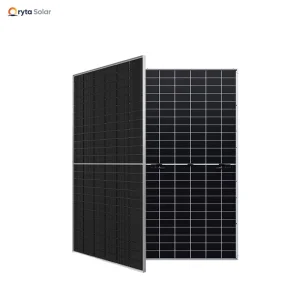
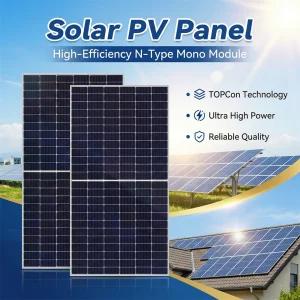
Tunnel Oxide Passivated Contact (TOPCon) represents the current baseline for high-efficiency residential arrays. Utilizing an ultra-thin silicon oxide layer combined with polycrystalline silicon, TOPCon reduces surface recombination velocity significantly. With zero Light-Induced Degradation (LID) and superior temperature performance (-0.30%/°C), TOPCon modules optimize yield on space-constrained residential roofs.
HJT blends monocrystalline silicon thin films with amorphous silicon layers, creating an exceptionally high open-circuit voltage (Voc > 750mV). Featuring bifacial factors up to 85-90% and extremely low thermal degradation coefficients (-0.26%/°C), HJT is the premier option for high-end residential rooftop installations seeking peak energy harvest across long lifecycle horizons.
Hybrid Passivated Back Contact (HPBC) moves all electrical grid busbars to the rear of the solar cell. This eliminates front-side busbar shading, maximizes active light absorption surface, and yields elegant, full-black aesthetic profiles highly desired in modern architectural residential rooftop designs.
| Cell Technology | Avg Mass Efficiency | Temp. Coefficient | Bifaciality Factor | First-Year Degradation | Optimal Residential Application |
|---|---|---|---|---|---|
| N-Type TOPCon | 24.5% - 25.2% | -0.30% / °C | 80% ± 5% | ≤ 1.0% | Standard High-Efficiency Pitch Roofs |
| HJT (Heterojunction) | 25.0% - 25.8% | -0.26% / °C | 85% ± 5% | ≤ 1.0% | High Ambient Temp & Premium Roof Space |
| HPBC / xBC | 24.8% - 25.5% | -0.29% / °C | N/A (Monofacial) | ≤ 1.5% | Architectural Premium & Full-Black Roofs |
| Perovskite Tandem (R&D Roadmap) | 28.5% - 31.0% | -0.22% / °C | 75% - 85% | Under Standard Testing | Next-Gen Sub-Cent Levelized Cost Realization |
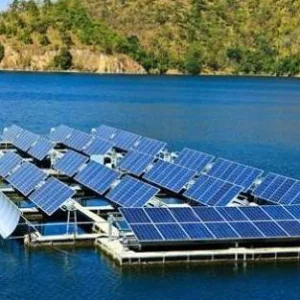
From urban grid-tied roof layouts to marine off-grid energy platforms, exploring real-world solar cell deployments.
Urban single-family and multi-family homes frequently face space restrictions and dynamic shading from nearby trees or adjacent structures. Deploying half-cut multi-busbar (MBB) mono PERC or TOPCon modules with smart microinverters ensures that string shade losses are localized, maximizing annual kilowatt-hour (kWh) output per square meter.
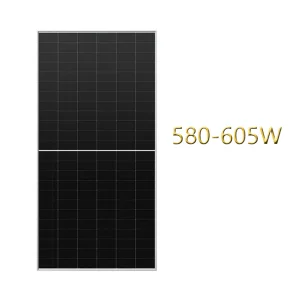
Suburban installations combining 2kW to 6kW solar arrays with lithium iron phosphate (LFP) battery storage systems afford complete utility independence during grid outages. High-power 580W-700W N-type modules fast-charge energy storage banks during daylight windows, balancing home loads smoothly through nighttime peak demand hours.
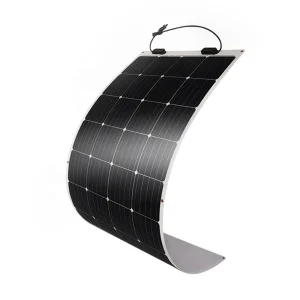
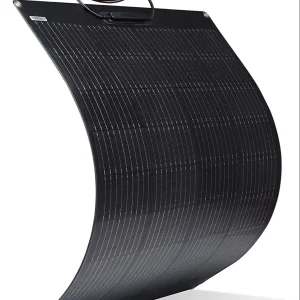
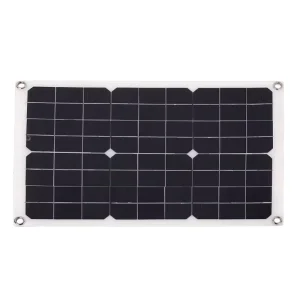
For mobile applications, RV motorhomes, and marine environments, traditional glass panels add unviable weight and wind resistance. Ultra-lightweight ETFE-laminated semi-flexible solar modules (100W-250W) flex to contoured vessel and vehicle surfaces while resisting saltwater corrosion and intense mechanical stress.
Introducing Ningbo Halkirk Solar Co., Ltd.: Modern manufacturing facility, rigorous quality assurance, and global distribution network.
Ningbo Halkirk Solar Co., Ltd. is a professional China solar panel manufacturer and monocrystalline & bifacial solar module supplier, dedicated to delivering high-efficiency renewable energy solutions to customers worldwide. Located in Ningbo, China, the company integrates research and development, manufacturing, quality control, and global sales to provide reliable solar products for residential, commercial, industrial, and utility-scale applications.
Halkirk Solar specializes in the production of monocrystalline solar panels, bifacial solar modules, TOPCon solar panels, N-type solar modules, off-grid solar solutions, on-grid solar systems, and customized photovoltaic products. Leveraging advanced cell technology and intelligent manufacturing processes, our products are designed to maximize energy output, improve conversion efficiency, and ensure long-term performance in diverse environmental conditions.
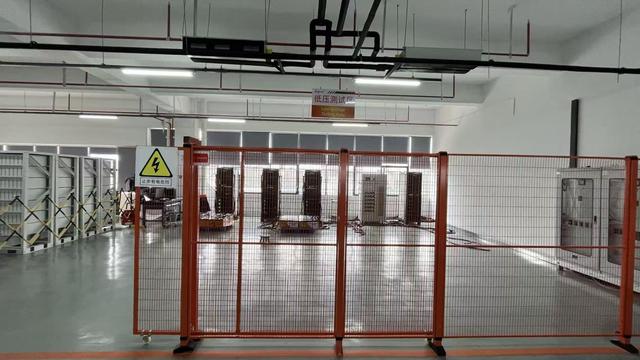
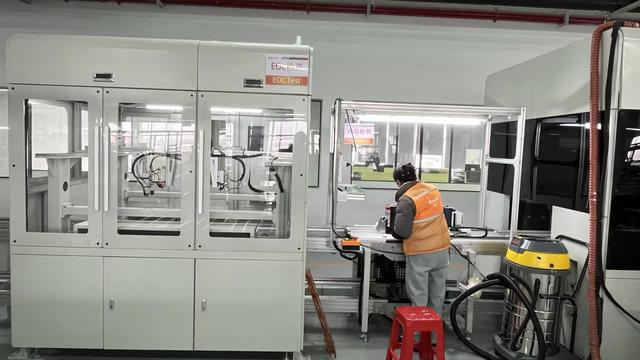
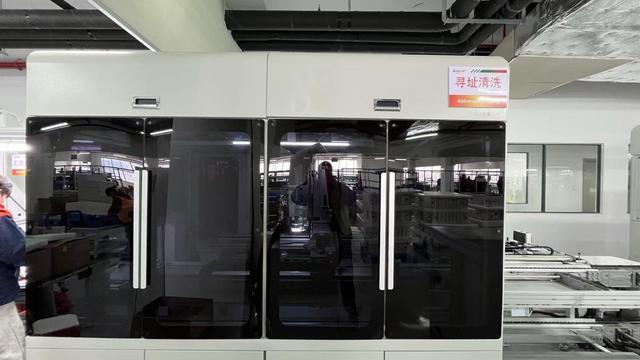
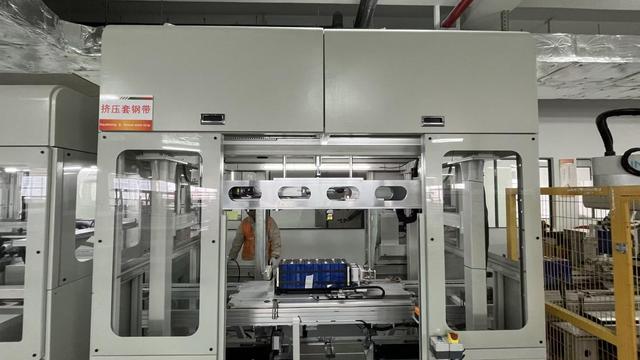
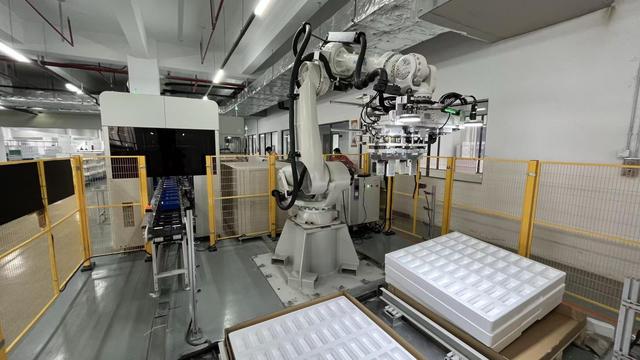
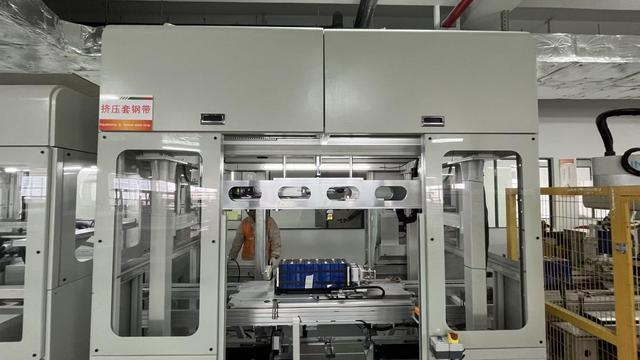
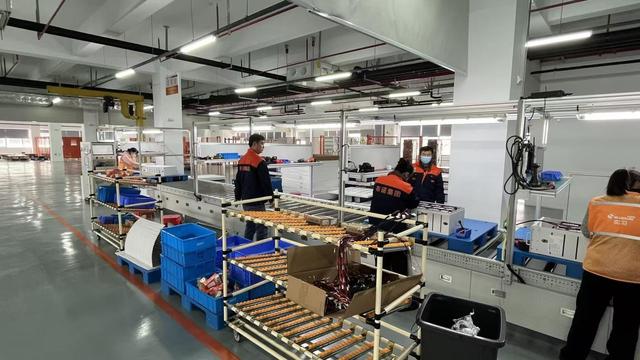
Our modern manufacturing facility is equipped with automated production lines, precision testing equipment, and strict quality management systems. Every solar module undergoes comprehensive inspections and performance testing to guarantee superior reliability, durability, and compliance with international standards. We are committed to providing products that meet the evolving demands of the global renewable energy market.
To better serve international customers, Halkirk Solar offers flexible OEM and ODM services for solar brands, distributors, EPC contractors, wholesalers, and project developers. Our experienced engineering and technical teams work closely with clients to deliver customized solar solutions tailored to specific project requirements, market demands, and branding needs.
Driven by innovation, sustainability, and customer satisfaction, Ningbo Halkirk Solar Co., Ltd. continues to expand its presence in global markets. We strive to become a trusted partner in the photovoltaic industry by providing high-quality solar modules and comprehensive clean energy solutions that contribute to a greener and more sustainable future.

Standardizing evaluation criteria for OEM custom module sourcing and tier-level supplier qualification.
Micro-cracks invisible to the human eye can cause localized hotspots and power degradation over time. 100% Dual Electroluminescence (EL) testing before and after lamination guarantees sub-micron silicon structural integrity across every production lot.
Modules manufactured by Ningbo Halkirk Solar Co., Ltd. adhere to rigorous international test protocols including IEC 61215 (Design qualification & type approval), IEC 61730 (Module safety qualification), UL 61730, and ISO 9001/14001 quality management benchmarks.
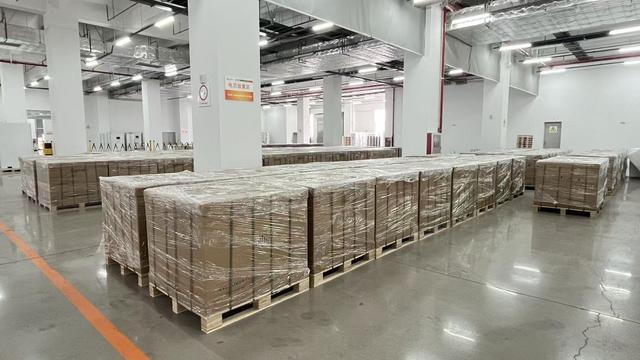
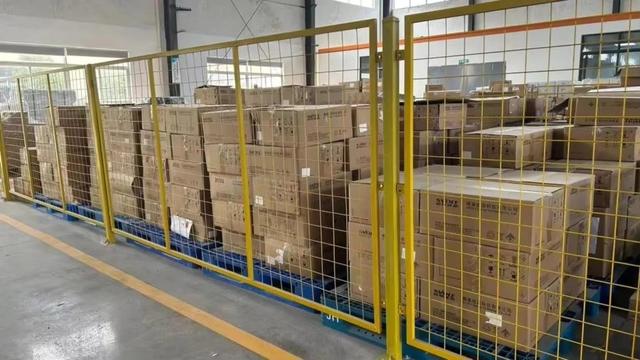
Standardized packaging dimensions, pre-wired junction boxes featuring MC4-compatible quick connectors, and optimized high-density container stacking reduce Balance of System (BOS) installation labour costs and cross-border freight overhead.
Technical answers to top customer inquiries regarding residential solar panel performance, warranties, and supplier selection.
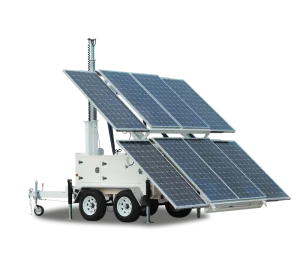
Explore our extended portfolio of rooftop kits, mini monocrystalline solar cells, off-grid systems, and clean energy mobile trailers.
 Halkirk Solar