Halkirk Solar
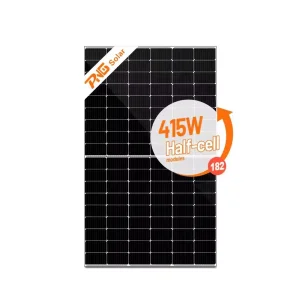
The Technical Evolution of Off-Grid Solar Cells
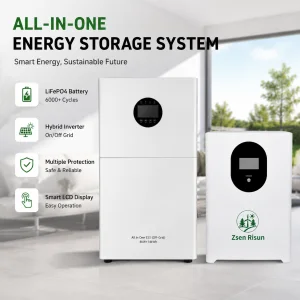
Off-grid photovoltaic systems demand a vastly different engineering paradigm compared to grid-tied utilities. In grid-tied setups, system fluctuations can be mitigated by the utility grid. However, off-grid systems rely entirely on local storage and continuous energy production efficiency. As a premier off-grid solar cell manufacturer, Ningbo Halkirk Solar Co., Ltd. addresses these challenges by incorporating advanced cell geometries, superior passivated contacts, and heavy-duty materials that ensure uninterrupted power output even in the most adverse environmental conditions.
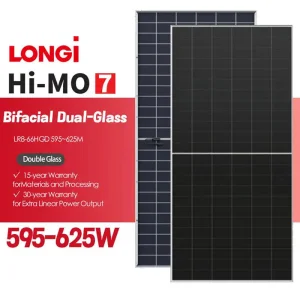
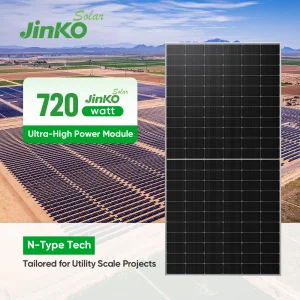
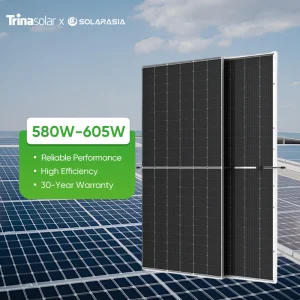
Modern off-grid installations increasingly leverage N-type TOPCon (Tunnel Oxide Passivated Contact) and bifacial architectures. These technologies address traditional limitations like Light-Induced Degradation (LID) and high temperature coefficients. By utilizing ultra-thin silicon oxide layers combined with heavily doped polycrystalline silicon, TOPCon cells reduce carrier recombination at the metal-silicon interfaces, pushing conversion efficiencies past 25%. This translates directly to larger energy yields within smaller surface footprints—a vital requirement for remote industrial sensors, telecommunications base stations, and isolated domestic microgrids.