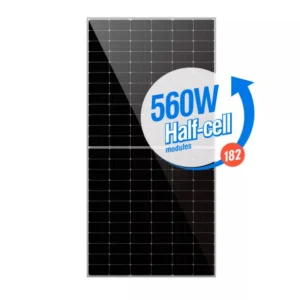
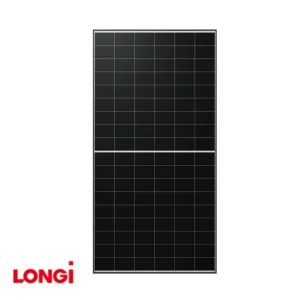
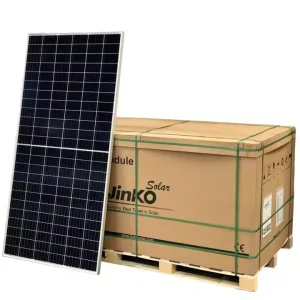
Browse our engineered half-cell solar solutions, featuring low resistance, optimized shade tolerance, and advanced passivated contact tech.
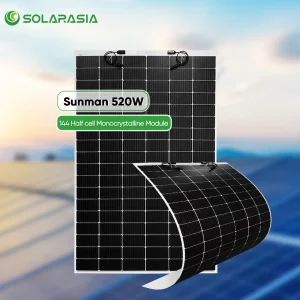
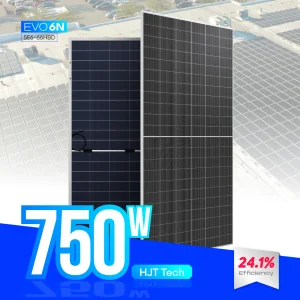
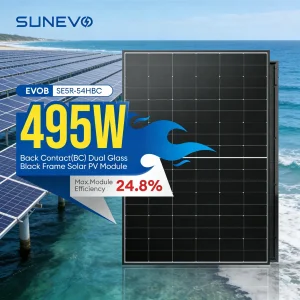
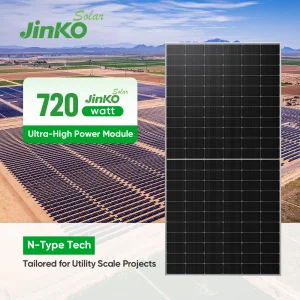
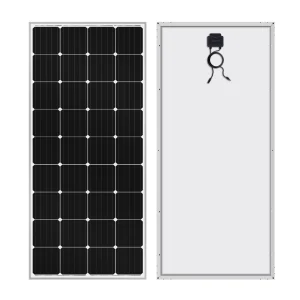
In the global effort to reduce Levelized Cost of Energy (LCOE), half-cell (half-cut) design stands as one of the most critical structural innovations in modern crystalline silicon photovoltaics. By slicing standard cells in half using non-destructive laser cutting, the operating electrical parameters are altered to generate substantial thermodynamic and operational benefits.
Electrical power loss inside a PV cell is directly proportional to the square of the current ($P_{loss} = I^2R$). Slicing a solar cell into two halves halves its electrical current ($I/2$). This mathematically reduces internal resistance power losses by 75%, allowing the module to export higher absolute power compared to full-cell designs under identical irradiance.
Standard full-cell modules connect all cells in series strings. If part of the module is shaded, the output of the whole string drops. Half-cut modules split internal circuitry into an upper and lower section wired in parallel. Under partial shading (e.g., dust, leaves, or structural shadows), the unshaded half of the module continues to generate 50% power output.
When a cell inside a series string is shaded, it acts as a load and consumes energy, causing a rapid temperature increase known as a hot-spot. The half-cell layout halves the current through the bypass diodes. Lower currents result in cooler hot-spot temperatures, significantly lowering the risk of thermal degradation and physical backsheet delamination.
China accounts for over 80% of global solar module production capacity. This concentration of advanced manufacturing technology is driven by massive regional industrial clusters, highly developed vertical supply chains, and significant shipping advantages out of major logistics hubs like Ningbo.
The industrial corridor of Ningbo hosts some of the world's most advanced photovoltaic manufacturing infrastructure. Proximity to specialized component producers (such as junction box manufacturers, tempered glass suppliers, EVA/POE encapsulant plants, and aluminum frame extruders) ensures that local solar panel factories can source components efficiently. This cluster effect results in significant production cost savings and rapid prototyping capabilities.
Furthermore, Ningbo-Zhoushan Port, one of the world's busiest cargo hubs, provides direct access to international maritime shipping routes. This proximity lowers local logistics costs and reduces transport times to European, North American, and Southeast Asian distribution hubs, ensuring customers receive fresh factory output with minimal supply chain delay.
Ningbo Halkirk Solar Co., Ltd. is a professional China solar panel manufacturer and monocrystalline & bifacial solar module supplier, dedicated to delivering high-efficiency renewable energy solutions to customers worldwide. Located in Ningbo, China, the company integrates research and development, manufacturing, quality control, and global sales to provide reliable solar products for residential, commercial, industrial, and utility-scale applications.
Halkirk Solar specializes in the production of monocrystalline solar panels, bifacial solar modules, TOPCon solar panels, N-type solar modules, off-grid solar solutions, on-grid solar systems, and customized photovoltaic products. Leveraging advanced cell technology and intelligent manufacturing processes, our products are designed to maximize energy output, improve conversion efficiency, and ensure long-term performance in diverse environmental conditions.
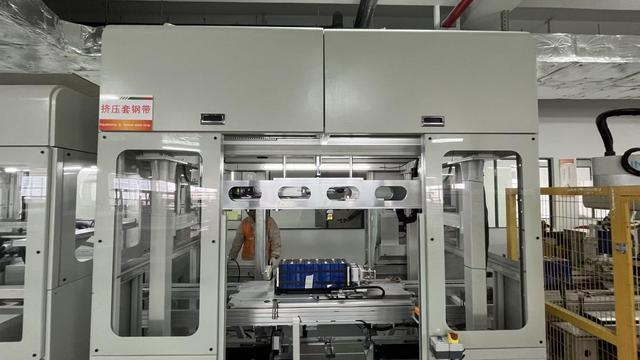
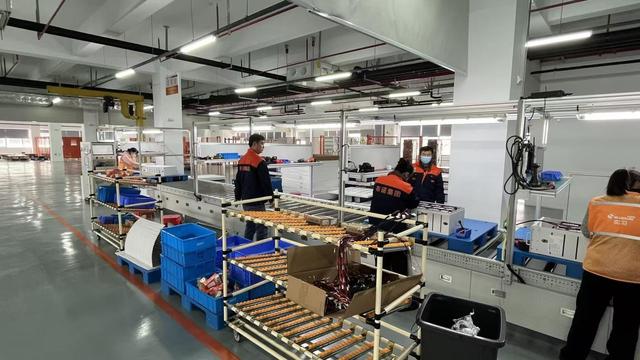
Our modern manufacturing facility is equipped with automated production lines, precision testing equipment, and strict quality management systems. Every solar module undergoes comprehensive inspections and performance testing to guarantee superior reliability, durability, and compliance with international standards. We are committed to providing products that meet the evolving demands of the global renewable energy market.
To better serve international customers, Halkirk Solar offers flexible OEM and ODM services for solar brands, distributors, EPC contractors, wholesalers, and project developers. Our experienced engineering and technical teams work closely with clients to deliver customized solar solutions tailored to specific project requirements, market demands, and branding needs.
Driven by innovation, sustainability, and customer satisfaction, Ningbo Halkirk Solar Co., Ltd. continues to expand its presence in global markets. We strive to become a trusted partner in the photovoltaic industry by providing high-quality solar modules and comprehensive clean energy solutions that contribute to a greener and more sustainable future.
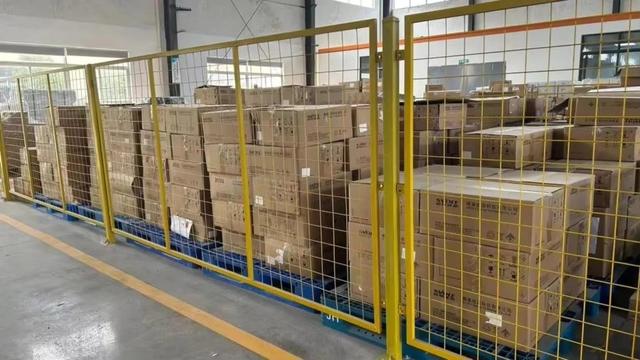
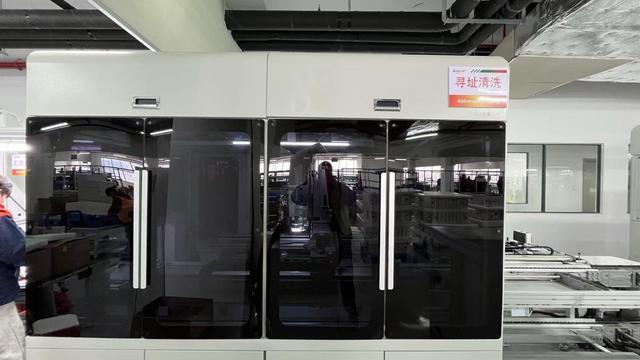
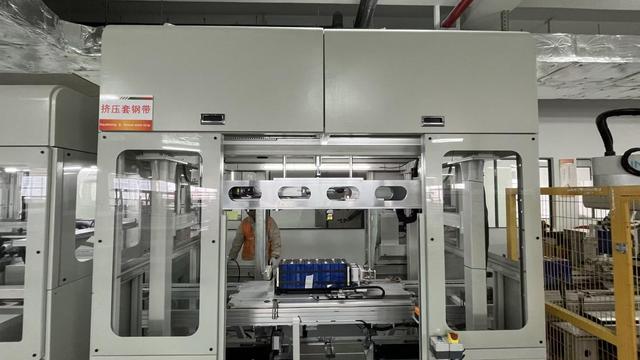
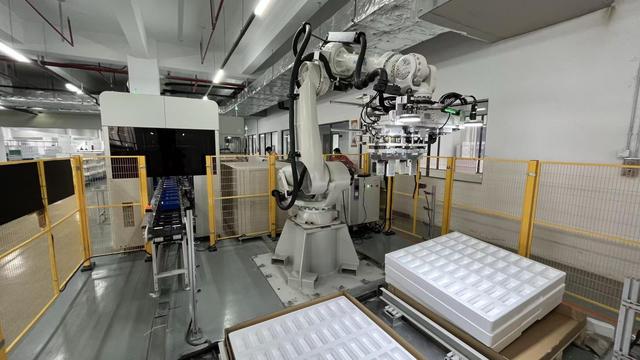
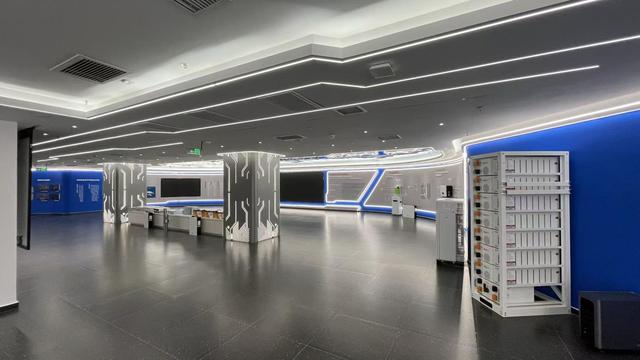
Take a visual tour inside the Ningbo Halkirk Solar production facilities, showcasing automated stringers, laminators, advanced EL testers, and packaging hubs.
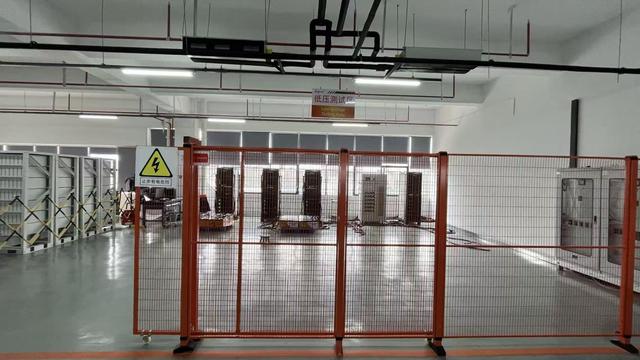
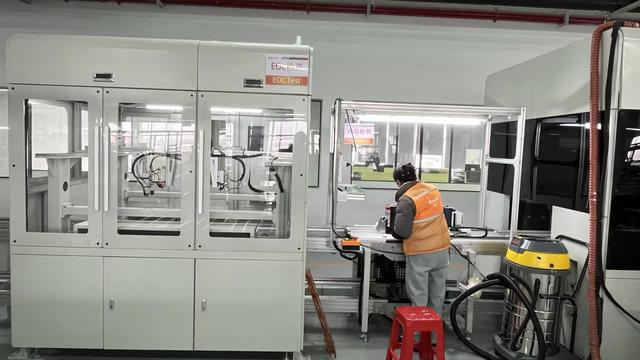
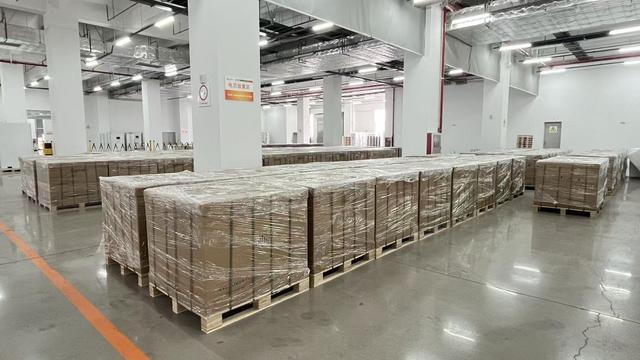
Cell architecture continues to shift toward higher conversion efficiency and lower degradation rates. The industry has largely transitioned from P-type PERC structures to N-type technologies, with Half-Cell designs acting as the base platform for these improvements.
Combining PERC back-surface fields with half-cut architecture raised average panel power outputs from 380W to 450W. Although standard for several years, PERC is gradually being replaced by N-type designs due to physical limitations in efficiency margins.
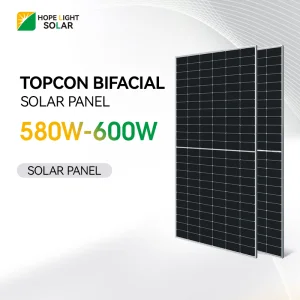
Modern production lines use N-type substrates, which reduce Light Induced Degradation (LID) to near zero. Topcon and HJT half-cut systems achieve efficiencies over 22.5% and 23.5% respectively, with bifaciality factors reaching 80-85% for enhanced backside power generation.
Eliminating front busbars removes shading losses on the front surface of the cell. Combining Back Contact technology with a half-cut layout pushes theoretical module efficiency beyond 25%, paving the way for future commercialized Perovskite-Silicon tandem modules.
Choosing the right solar module depends on the environmental conditions of the installation site. Half-cell systems perform well in a wide range of complex environments.
C&I installations often face complex shading from HVAC units, chimneys, and parapets. Half-cut panel configurations minimize power drop-offs caused by these obstacles, helping ensure more consistent energy production throughout the day.
Coastal installations require high resistance to salt spray, humidity, and wind. Double-glass half-cell modules are engineered to resist salt-fog corrosion and Potential Induced Degradation (PID), making them suitable for marine and floating PV projects.
High-altitude sites experience high UV radiation and temperature fluctuations. Half-cell panels operate at lower internal temperatures, which helps maintain efficiency and performance even in hot desert or high-altitude environments.
Exporting high-voltage electrical equipment requires strict adherence to international safety and performance certifications. Our production processes and products comply with major global regulatory standards.
Ningbo Halkirk Solar Co., Ltd. ensures its products meet necessary compliance frameworks to facilitate smooth customs clearance and grid connection. Our testing and certifications include:
To address supply chain delays and logistical challenges, we maintain regional warehousing partnerships in key locations, including the Netherlands, Germany, and the United States. This distributed logistics network helps shorten lead times for major projects by keeping inventory closer to destination markets.
Technical details and answers to common questions about half-cell solar modules for project developers, engineers, and distributors.
From high-output commercial modules to portable PV panels, find the right equipment to meet your system specifications.
 Halkirk Solar