As the solar energy market transitions away from traditional p-type PERC (Passivated Emitter and Rear Cell) technology, N-type Tunnel Oxide Passivated Contact (TOPCon) has emerged as the definitive successor. By minimizing surface recombination and maximizing quantum efficiency, TOPCon technology sets a new benchmark for Levelized Cost of Energy (LCOE).
In standard solar cells, the metal contacts on the silicon wafer create areas of high recombination, where generated electrons recombine before escaping as current. TOPCon architecture mitigates this limitation by introducing an ultra-thin tunnel oxide layer (typically silicon dioxide, SiO₂) followed by a highly doped polycrystalline silicon layer. This creates a passivated contact structure that allows electrons to tunnel through quantum-mechanically while blocking minority carriers. The result is a substantial increase in open-circuit voltage (Voc) and overall conversion efficiency.
An ultra-thin passivating layer measuring less than 2 nanometers, enabling efficient quantum tunneling of charge carriers while reducing chemical recombination losses.
Maintains high power output and prevents degradation under elevated operational temperatures, outperforming standard PERC technology by 10-15% in hot climates.
N-type substrates are doped with phosphorus instead of boron, eliminating Light-Induced Degradation (LID) and ensuring consistent performance from day one.
For global project developers and industrial distributors, understanding these characteristics translates to reliable financial planning. Lower degradation rates ensure that N-type TOPCon installations maintain superior yield over a 25-to-30-year operational lifecycle, optimizing asset yield and accelerating ROI.
Based in the industrial hub of Ningbo, China, Ningbo Halkirk Solar Co., Ltd. operates as a fully integrated monocrystalline and bifacial solar module manufacturer. We consolidate R&D, advanced material engineering, automated manufacturing, and global logistical distribution to support renewable energy projects across various application scales.
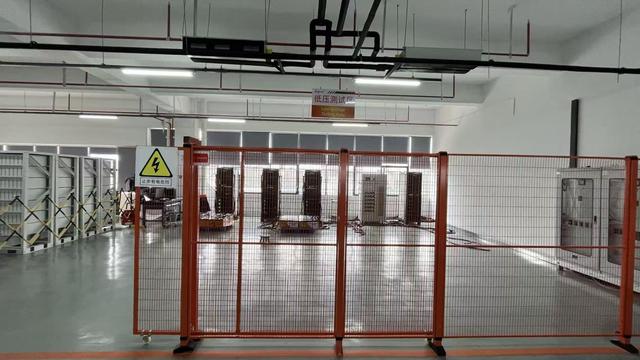
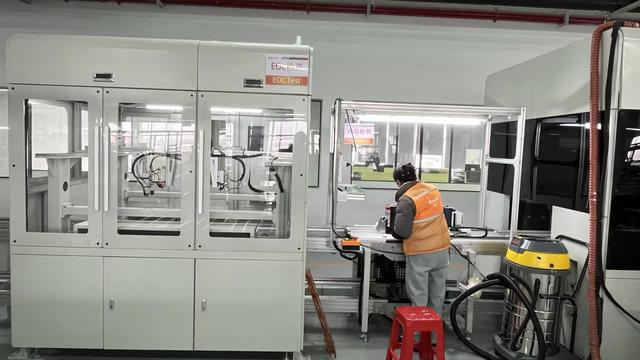
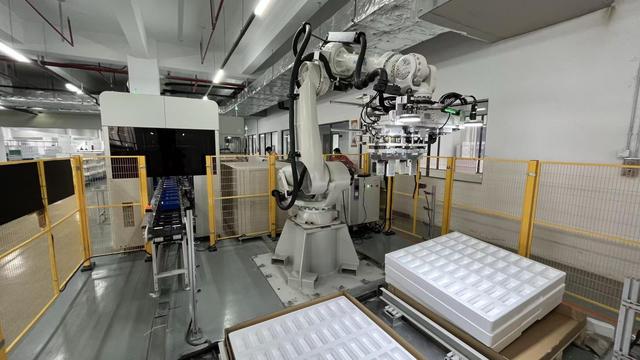
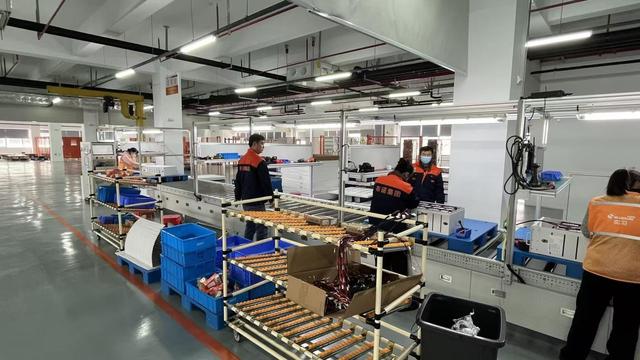
Our manufacturing facility features automated production lines utilizing cell-slicing, multi-busbar (MBB) metallization, and automated optical inspection (AOI) technologies. By managing cell sorting, stringing, lamination, and framing within a single facility, we maintain oversight over mechanical tolerances and electrical yields. Every single module undergoes EL (Electroluminescence) testing twice during production to prevent micro-cracks or inactive cell zones from reaching the field.
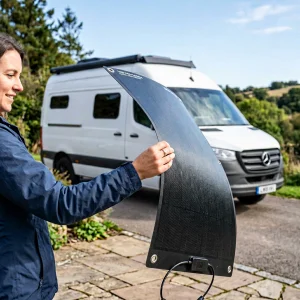
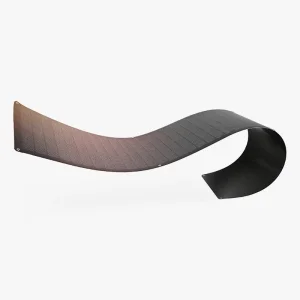
By specializing in both monocrystalline solar panels, N-type double-glass bifacial modules, and customized portable and flexible PV systems, Halkirk Solar caters to utility-scale solar farms, commercial rooftop developments, and off-grid residential setups. Our engineering department works with clients to customize parameters from frame profiles to specific cabling and packaging standards, ensuring compatibility with regional racking solutions.
The competitiveness of high-volume solar module manufacturing depends heavily on raw material access, processing efficiency, and transport logistics. Our facilities are located in Ningbo, positioned within China’s Yangtze River Delta solar cluster, providing logistics and component access benefits.
This concentration of resources allows us to source polysilicon, solar-grade glass, aluminum frames, and encapsulants (EVA/POE) within a short radius, minimizing transport costs and raw material lead times. The proximity to the Port of Ningbo-Zhoushan—one of the world's busiest container hubs—allows direct containerized shipping routes to major international ports, reducing transit times and lowering inland freight expenses.
Direct integration with domestic wafer suppliers ensures high quality standards for 182mm and 210mm silicon substrates.
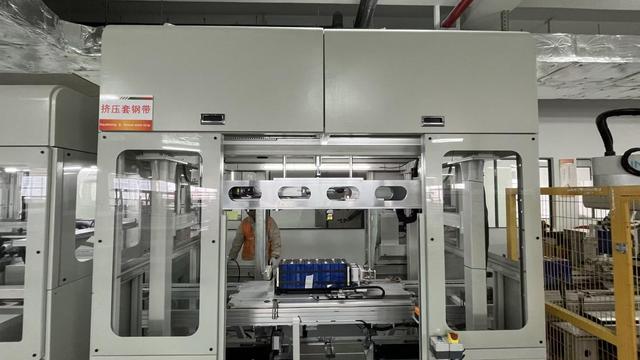
Automated manufacturing systems monitor mechanical alignment, print precision, and thermal lamination to ensure batch-to-batch consistency.
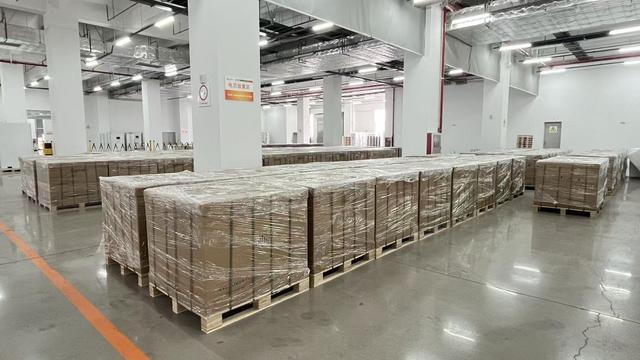
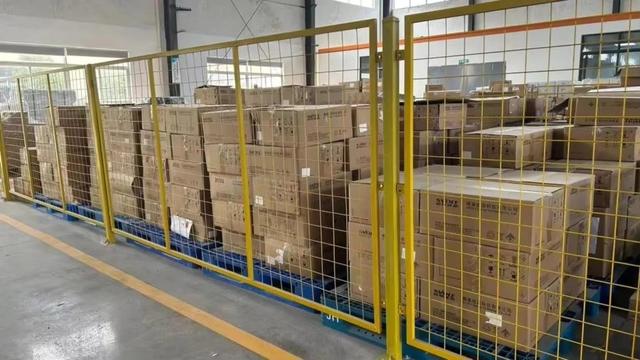
Direct loading processes and standardized sea-freight packaging minimize the risk of mechanical micro-damage during maritime transit.
Through our OEM and ODM programs, global buyers can utilize these manufacturing capabilities. We handle the process from cell optimization to finished module labeling and customized packaging, allowing importers to focus on regional distribution and project installation.
To support engineering design and asset allocation decisions, we provide a comparison of key performance metrics for the three leading commercial solar technologies.
| Performance Indicator | P-Type PERC | N-Type TOPCon | Heterojunction (HJT) |
|---|---|---|---|
| Commercial Cell Efficiency | 22.8% - 23.3% | 24.8% - 25.8% | 25.0% - 26.0% | Bifaciality Factor | 65% - 75% | 80% - 85% | 85% - 95% |
| Temperature Coefficient | -0.34%/°C | -0.30%/°C | -0.26%/°C |
| First-Year Degradation | 2.0% | 1.0% | 1.0% |
| Annual Degradation Rate | 0.55% | 0.40% | 0.37% |
| Manufacturing Complexity | Low | Medium (Allows PERC line retrofits) | High (Requires new production lines) |
While HJT shows high theoretical efficiency, TOPCon’s manufacturing compatibility with existing PERC equipment helps manage overall manufacturing costs. This makes TOPCon modules a cost-effective choice for utility-scale developers seeking N-type performance advantages without paying high technology premiums.
Developing international solar assets requires adherence to various electrical codes, import regulations, and environmental standards. Ningbo Halkirk Solar Co., Ltd. structures its quality management programs to comply with global testing protocols.
Our modules undergo testing to meet standards such as IEC 61215 (design qualification and type approval) and IEC 61730 (safety qualification). This ensures our products are rated to withstand mechanical loads, thermal cycling, damp-heat exposure, and potential-induced degradation (PID). For European, North American, and Asia-Pacific markets, we provide certification documentation, factory audit access, and compliance files to streamline the permitting process for developers and EPC contractors.
Our modules are certified for resistance to salt-mist corrosion (coastal projects) and ammonia exposure (agricultural environments).
We provide structural testing records and bill-of-materials (BOM) transparency reports to support commercial project financing requirements.
We provide full customization of frame finishes, junction boxes, connector brands (e.g., MC4), and packaging options to suit local distribution channels.
By addressing localization requirements early in the design stage, we minimize project risk. Our technical support team works directly with engineers to ensure electrical characteristics align with regional grid connection standards, including inverter voltage windows and grid-tied safety thresholds.
OEM (Original Equipment Manufacturer) production involves manufacturing modules based on the client's provided specifications, including size, frames, connectors, and labels. ODM (Original Design Manufacturer) production leverages our in-house engineering team to design, test, and manufacture modules that meet specific target performance parameters or regional application standards.
TOPCon cells feature a temperature coefficient of power around -0.30%/°C, compared to -0.34%/°C for traditional p-type PERC cells. As ambient temperatures rise, the rate of voltage drop is reduced. This allows the system to generate more energy under high operating temperatures, which is particularly beneficial for projects in desert or tropical regions.
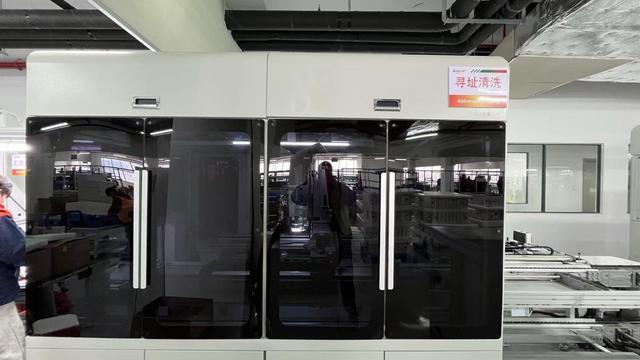
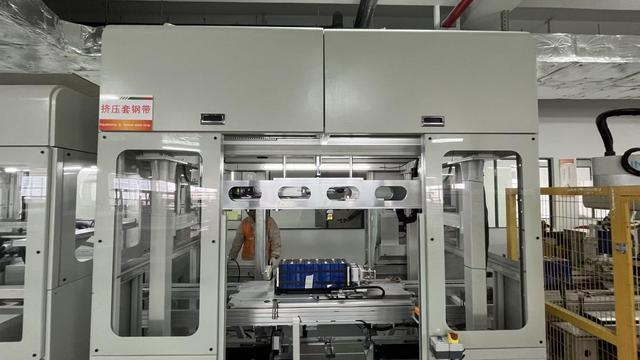
Our quality assurance framework includes materials testing, inline automated optical inspection (AOI), EL tests before and after lamination, and final flash testing to verify electrical output parameters. These testing stages help prevent defect propagation and ensure the performance stability of the modules.
Yes, our dual-glass bifacial modules are designed for these applications. The double-glass structure provides resistance to moisture ingress and salt-spray corrosion, reducing the risk of PID and delamination in coastal, offshore, or floating solar projects.
Our monocrystalline and TOPCon modules are supplied with a 12-to-15-year materials and workmanship warranty, alongside a 25-to-30-year linear performance warranty. This warranty guarantees that the modules will maintain at least 80% to 87.4% of their nominal output rating at the end of the warranty period, depending on the specific module design.
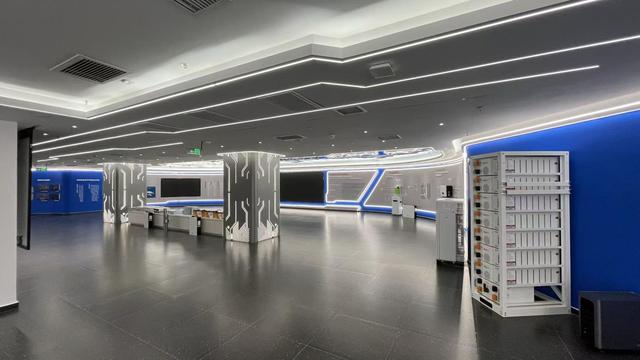
A visual guide to our automated manufacturing lines, precision testing stations, and logistics warehouse setup in Ningbo, China.
 Halkirk Solar