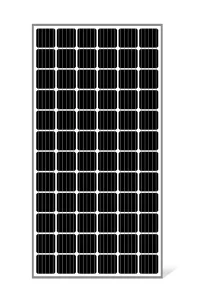
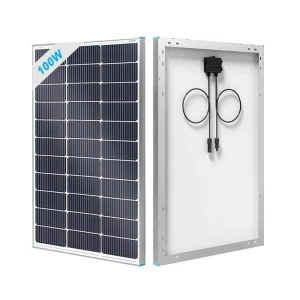
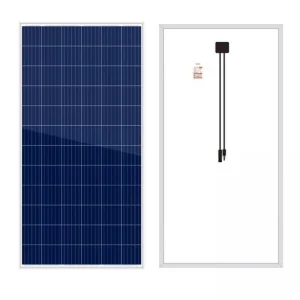
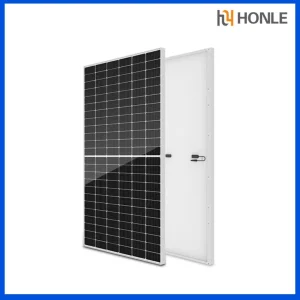
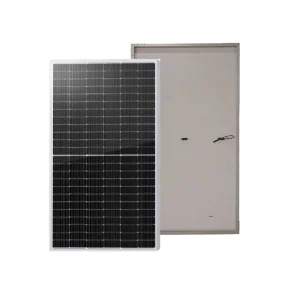
In the rapidly evolving landscape of renewable energy, Polycrystalline Solar Cells (also known as multi-crystalline silicon) remain a cornerstone of the global photovoltaic (PV) market. While monocrystalline technology has seen significant adoption in space-constrained residential areas, polycrystalline modules continue to dominate massive industrial and utility-scale projects due to their unbeatable Cost-to-Performance ratio (LCOE) and proven durability in harsh environments.
Ningbo Halkirk Solar Co., Ltd. stands at the forefront of this industry as a premier OEM/ODM Polycrystalline Solar Cell Factory. With years of experience in silicon ingot casting and high-precision wafer slicing, we provide the technical backbone for solar brands and EPC contractors worldwide. Our polycrystalline solutions are engineered to minimize the carbon footprint of production while maximizing energy harvesting efficiency.
Leveraging diamond wire saw technology, we produce ultra-thin polycrystalline wafers that reduce silicon waste and improve cell response.
Our R&D team utilizes specialized phosphorus diffusion processes to ensure uniform PN junctions, vital for consistent electron flow.
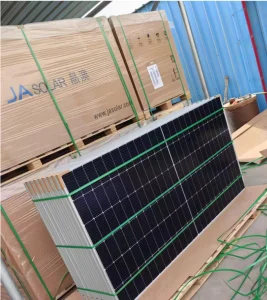
Integrated supply chain management from Ningbo port to your project site, ensuring TUV and CE certified delivery.
As a leading Polycrystalline Solar Cell Supplier, Halkirk Solar offers comprehensive OEM (Original Equipment Manufacturer) and ODM (Original Design Manufacturer) services. This means we don't just supply standard panels; we partner with you to develop proprietary module designs. From custom dimensions for unique mounting structures to specific backsheet colors and junction box configurations, our engineering team transforms your vision into bankable solar assets.
The current global PV industry is witnessing a strategic shift. While N-Type TOPCon and HJT are the current "high-efficiency" darlings, Polycrystalline Solar Modules have carved out a significant "Value-Segment." In regions like Southeast Asia, Africa, and parts of South America, the lower initial capital expenditure (CAPEX) of polycrystalline systems makes renewable energy transitions financially viable for developing economies.
Polycrystalline panels are ideal for greenhouse rooftops, providing partial shade for crops while generating electricity for irrigation systems.
Reliable power for remote villages and telecommunication towers where the cost of grid extension is prohibitive.
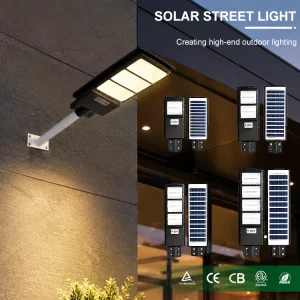
Compact, durable poly cells are the preferred choice for integrated solar street lights due to their resistance to heat degradation.
Ningbo Halkirk Solar Co., Ltd. is a professional China solar panel manufacturer and monocrystalline & bifacial solar module supplier, dedicated to delivering high-efficiency renewable energy solutions to customers worldwide. Located in Ningbo, China, the company integrates research and development, manufacturing, quality control, and global sales to provide reliable solar products for residential, commercial, industrial, and utility-scale applications.
Halkirk Solar specializes in the production of monocrystalline solar panels, bifacial solar modules, TOPCon solar panels, N-type solar modules, off-grid solar solutions, on-grid solar systems, and customized photovoltaic products. Leveraging advanced cell technology and intelligent manufacturing processes, our products are designed to maximize energy output, improve conversion efficiency, and ensure long-term performance in diverse environmental conditions.
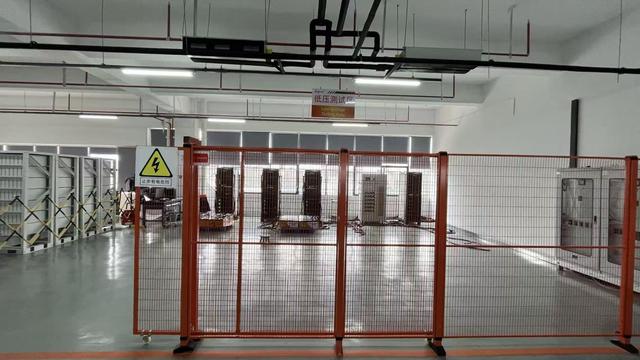
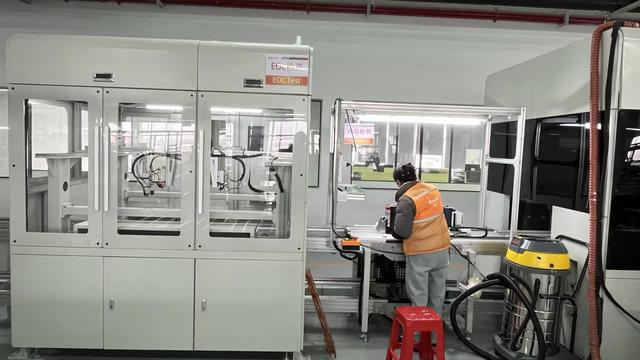
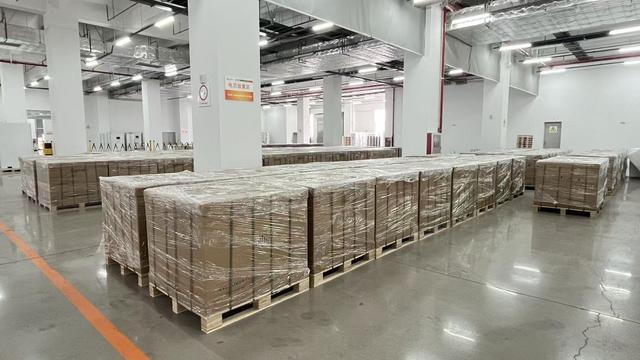
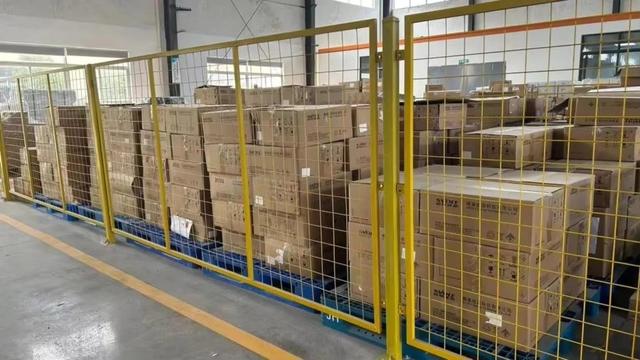
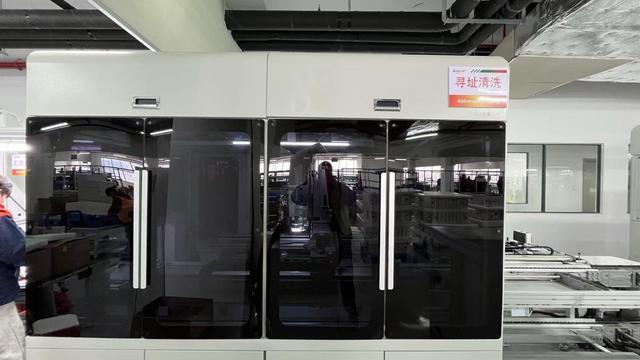
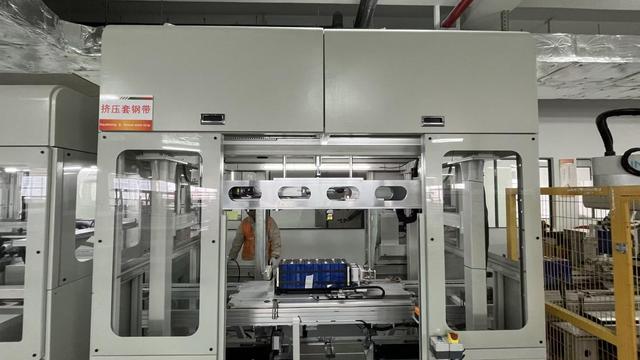
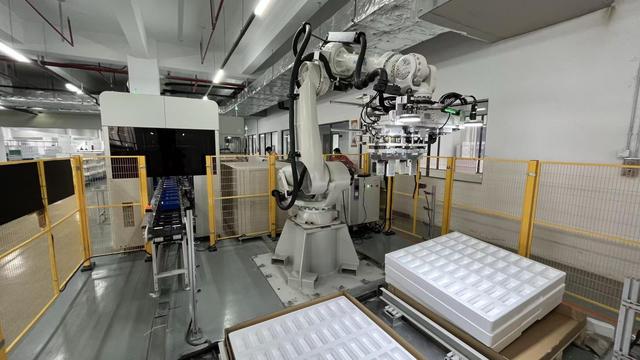
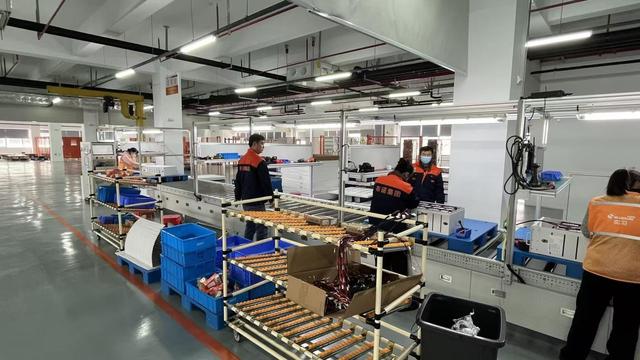
Our modern manufacturing facility is equipped with automated production lines, precision testing equipment, and strict quality management systems. Every solar module undergoes comprehensive inspections and performance testing to guarantee superior reliability, durability, and compliance with international standards.

 Halkirk Solar