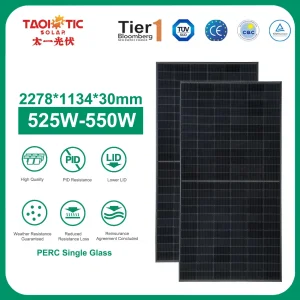
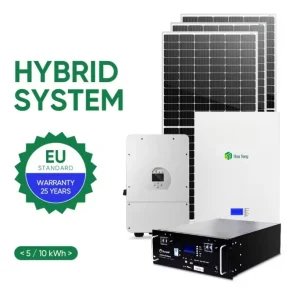
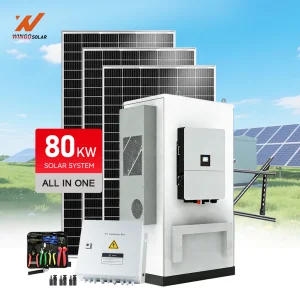
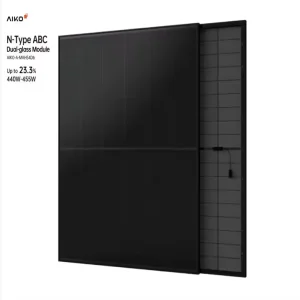
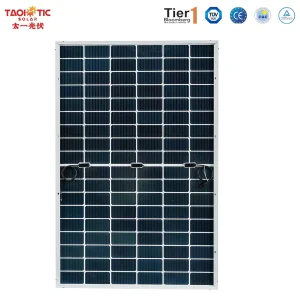
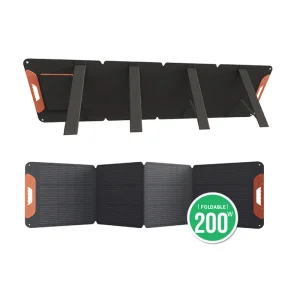
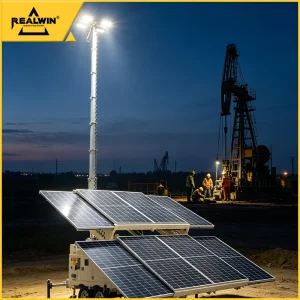
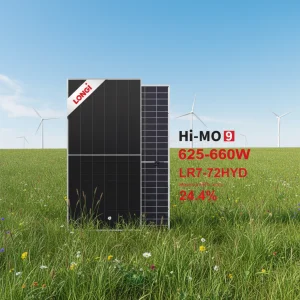
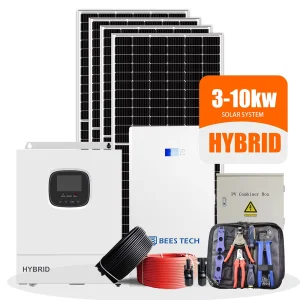
Explore our flagship solar modules and integrated system configurations built to yield high performance under diverse operational conditions.
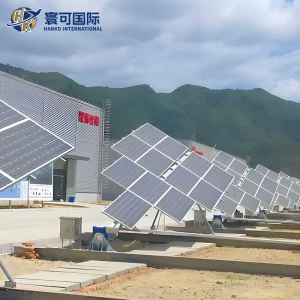
Ningbo Halkirk Solar Co., Ltd. is a professional China solar panel manufacturer and monocrystalline & bifacial solar module supplier, dedicated to delivering high-efficiency renewable energy solutions to customers worldwide. Located in the strategic coastal city of Ningbo, China, we seamlessly integrate advanced research and development (R&D), intelligent manufacturing, strict multi-stage quality control, and an extensive global logistics network.
We specialize in the engineering and export of customized photovoltaic solutions designed to perform under challenging conditions. Our core product portfolio features high-performance monocrystalline solar panels, N-type solar modules, cutting-edge TOPCon modules, and customizable Heterojunction (HJT) solar solutions. In addition to individual modules, we provide complete, engineered solutions including off-grid solar systems, grid-tied utility configurations, and bespoke OEM/ODM projects tailored for global EPC contractors, developers, and distributors.
Heterojunction technology (HJT) represents the absolute pinnacle of high-efficiency silicon PV. By combining crystalline silicon wafers with ultra-thin amorphous silicon passivation layers, HJT achieves unrivaled energy yield, exceptionally low degradation rates, and unmatched performance in hot and humid climates.
Understanding why HJT outperforms conventional PERC and TOPCon architectures in long-term Levelized Cost of Energy (LCOE) calculations.
Heterojunction Technology (HJT) uses a high-quality N-type monocrystalline silicon wafer wrapped in ultra-thin layers of amorphous silicon. This specific structure eliminates surface recombination losses, allowing the solar cell to maintain an open-circuit voltage (Voc) exceeding 750 mV. This unique passivation stack directly boosts module efficiency to 22.5% and higher, outperforming traditional P-type PERC structures.
Additionally, HJT features a symmetrical cell architecture. This symmetry simplifies the manufacturing process and boosts the bifaciality factor to over 90%. Consequently, HJT modules can harvest significant energy from the rear side, leveraging ground albedo to generate up to 10-30% more power than single-sided modules in utility-scale ground mounts.
| Parameters | PERC (P-Type) | TOPCon (N-Type) | HJT (N-Type) |
|---|---|---|---|
| Max Cell Efficiency | ~23.5% | ~25.5% | > 26.5% |
| Temperature Coeff. | -0.34%/°C | -0.30%/°C | -0.26%/°C |
| Bifaciality Factor | 70% ± 5% | 80% ± 5% | 90% ± 5% |
| LID & LeTID Loss | Moderate | Low | Zero (No LID) |
| Lifecycle Degradation | ~20% (25 Yrs) | ~13% (30 Yrs) | < 10% (30 Yrs) |
Continuous innovation ensures our OEM/ODM custom products remain at the absolute technological vanguard.
To reduce production costs and lower global silver consumption, our technology roadmap utilizes silver-coated copper pastes and copper electroplating. This keeps cost-per-watt highly competitive while maintaining excellent cell conductivity.
HJT’s low-temperature, low-stress manufacturing process allows us to use thinner wafers without increasing micro-crack rates. We are scaling production down to 110-120μm wafers, significantly reducing raw silicon consumption and lowering the carbon footprint.
HJT cells serve as an ideal bottom cell platform for Perovskite tandem integration. Our forward-looking R&D is targeting commercial tandem module efficiencies exceeding 28%-30% within the decade, breaking through the theoretical limits of single-junction silicon.
HJT modules excel where standard silicon technologies fall short, delivering optimal energy yields under diverse environmental stresses.
Traditional panels suffer from power output loss when temperatures climb. HJT’s low temperature coefficient of -0.26%/°C ensures minimal performance drop-off in hot climates like the Middle East, North Africa, and Australia. Compared to standard mono modules, our custom OEM HJT modules deliver up to 8-12% more energy over the system lifetime in these conditions.
In northern latitudes, snowy winters reduce front-side module output. With a high bifaciality factor of 90%, HJT modules capture reflected light from the surrounding snow, ground, or tracking systems. This design melts snow cover quickly through rear-side thermal conversion and maintains consistent winter energy output.
Water-based and coastal arrays face constant risk from PID (Potential Induced Degradation) and damp heat. Our dual-glass HJT design utilizes POE (Polyolefin Elastomer) encapsulation and advanced edge sealing to prevent moisture ingress. These protections eliminate PID, ensuring stable performance in high-humidity marine and floating environments.
Agri-PV requires high light transmission and optimization of dual-sided growth. The symmetrical structure of HJT allows plants to grow underneath while utilizing vertical mounting orientations (East-West vertical systems). This balances daily peak production without blocking sunlight needed for agriculture.
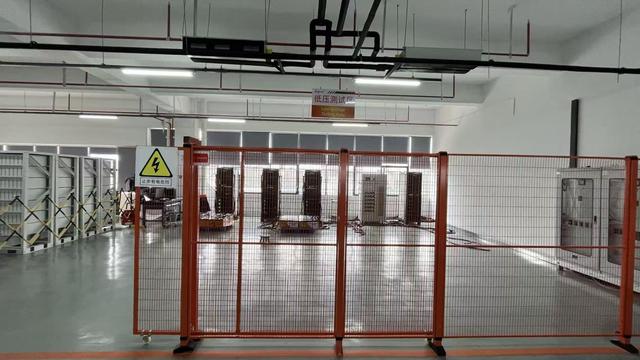
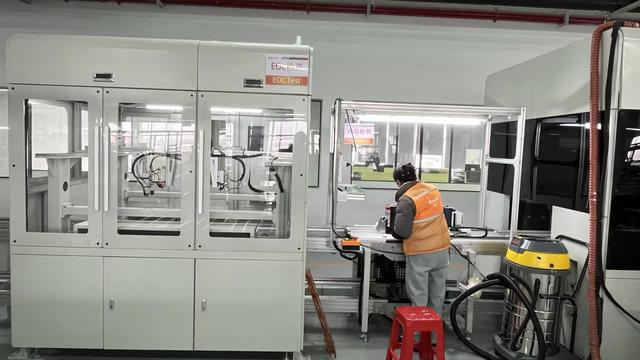
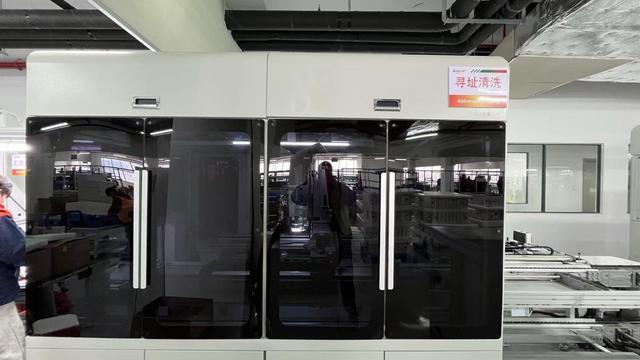
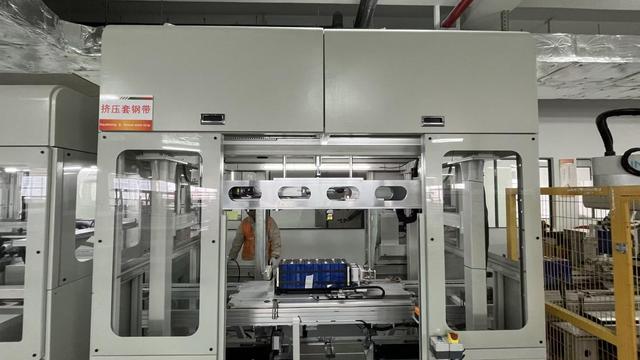
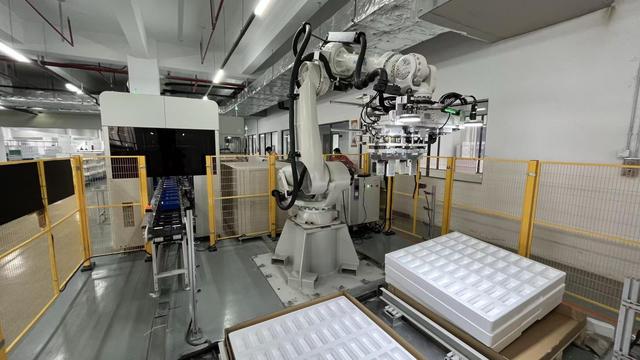
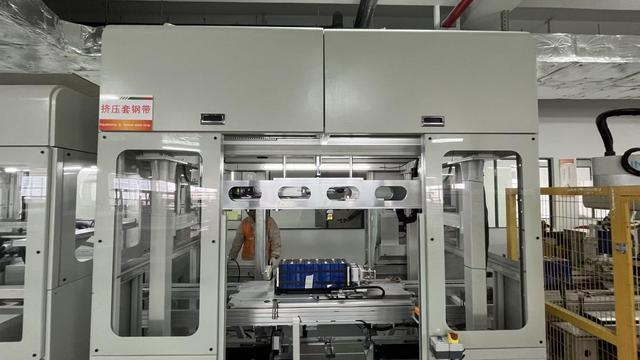
Our modern manufacturing facility is equipped with automated production lines, precision testing equipment, and strict quality management systems. Every solar module undergoes comprehensive inspections and performance testing to guarantee superior reliability, durability, and compliance with international standards.
Operating in Ningbo, Zhejiang province, provides exceptional advantages in supply chain integration and shipping logistics:




Ensuring complete product certification, financial bankability, and local market compliance across key continents.
Exporting to European, American, and Asia-Pacific markets requires strict adherence to environmental and electrical safety certifications. Ningbo Halkirk Solar ensures all custom OEM HJT products meet or exceed the following international framework demands:
✓ TUV Rheinland / TUV SUD: Rigorous safety testing, structural load validation (5400Pa front snow load / 2400Pa rear wind load), and electrical insulation verification.
✓ CE & CQC: Full compliance for safety, grid coupling, and manufacturing consistency across China and European Union regions.
✓ Anti-PID Certifications: Formally tested under 85°C / 85% relative humidity stress levels for over 288 hours, proving zero-degradation performance.
We provide a reliable platform for global EPC contractors, project developers, and wholesale distributors:
Get professional answers from our engineering team regarding design parameters, performance metrics, and customizations.
While both are high-efficiency N-type silicon architectures, HJT uses a simpler 4-step manufacturing process compared to TOPCon's 9-to-12-step process. HJT combines crystalline silicon with amorphous silicon thin films, resulting in a superior temperature coefficient (-0.26%/°C vs. -0.30%/°C for TOPCon) and a higher bifaciality factor (90%+ vs. TOPCon's 80%). HJT also offers zero PID and LID degradation, making it more reliable over long-term operations.
As ambient temperatures rise, conventional photovoltaic cells lose efficiency. The temperature coefficient of HJT is -0.26%/°C, compared to -0.35%/°C or more for standard PERC. This means that at a module temperature of 65°C, HJT panels generate up to 10% more power than standard technologies under the same solar irradiation.
Yes. As a leading exporter, Ningbo Halkirk Solar provides complete OEM and ODM customization. This includes custom silicon dimensions (M6, M10, G12 formats), frame thickness options (30mm, 35mm, or 40mm in clear anodized or black aluminum), custom junction boxes and connector lengths (MC4-compatible), and personalized backsheet branding for regional distributors.
HJT cells utilize an N-type crystalline silicon core that is naturally immune to Light-Induced Degradation (LID) because it does not contain boron-oxygen complexes. The TCO (Transparent Conductive Oxide) thin films on both surfaces act as an electrical barrier that prevents charge migration. Combined with high-quality POE encapsulation material, this design protects the module from Potential Induced Degradation (PID).
Our customized HJT modules come with a 15-year materials and workmanship warranty, alongside a 30-year linear power performance warranty. Because HJT has a degradation rate of less than 0.375% per year after year one, your modules will still operate at over 88% of their nominal output power in year 30.
Complete your energy planning with our range of high-efficiency utility modules, hybrid storage configurations, and portable systems.
 Halkirk Solar