Explore our core tier-1 monocrystalline panels, bifacial modules, and integrated energy solutions optimized for commercial and industrial scale.
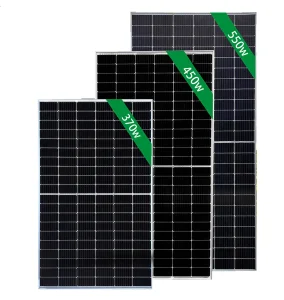
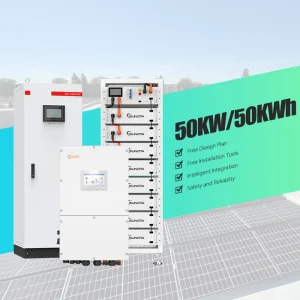
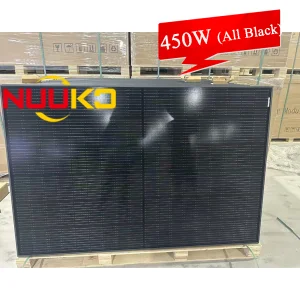

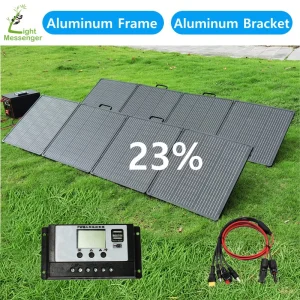
Understanding the quantum differences between P-type and N-type architectures and how they influence ROI for global buyers.
For decades, the global photovoltaic industry relied heavily on P-type (boron-doped) silicon wafers. While P-type crystalline silicon served as the backbone of early deployment, it reached its theoretical efficiency limit (around 24.5%). Today, the clean energy industry is witnessing a structural shift toward N-type (phosphorus-doped) silicon technology. Led by advanced manufacturers like Ningbo Halkirk Solar Co., Ltd., this transition represents a fundamental improvement in cell physics, ensuring that commercial, industrial, and utility projects yield significantly higher energy over their lifecycles.
One of the most persistent bottlenecks of P-type solar panels is Light-Induced Degradation (LID). When P-type modules are exposed to sunlight, boron atoms in the silicon substrate interact with oxygen impurities. This creates boron-oxygen complexes that act as recombination centers, permanently trapping photogenerated carriers and reducing the panel's absolute efficiency by 1.5% to 3% in its first weeks of operation.
Conversely, N-type solar cells use phosphorus as the primary dopant. Because phosphorus does not form complexes with oxygen, N-type modules are completely immune to boron-oxygen LID. In practice, this immunity secures a higher baseline energy yield from the first hour of generation, maintaining high performance and boosting asset valuation for utility developers and residential EPCs.
Real-world operating conditions rarely match the Standard Test Conditions (STC) of 25°C. As solar panels heat up in desert environments or high-temperature industrial regions, their output drops. P-type modules typically exhibit a temperature coefficient of -0.34% to -0.38% per degree Celsius. N-type architectures (specifically TOPCon and Heterojunction) achieve an excellent temperature coefficient of -0.30% to -0.26%/°C.
This thermal resilience means that in regions with high solar irradiance (which naturally experiences high ambient temperatures), N-type solar cells generate up to 3-5% more energy annually compared to P-type modules of equivalent rated capacity. For high-output infrastructure like utility plants or commercial carports, this translates directly to accelerated payback periods and a lower Levelized Cost of Energy (LCOE).
A deep dive into the engineering structures defining modern high-efficiency photovoltaic module production.
To systematically plan energy portfolios, commercial buyers and EPC engineers must master the trade-offs between key N-type technological pathways: Tunnel Oxide Passivated Contact (TOPCon), Heterojunction (HJT), and Interdigitated Back Contact (IBC).
| Performance Metric | P-type PERC (Baseline) | N-type TOPCon | N-type HJT | N-type IBC / TBC |
|---|---|---|---|---|
| Avg. Cell Efficiency (Mass Prod) | 23.0% - 23.3% | 25.0% - 25.8% | 25.5% - 26.2% | 26.0% - 26.6% |
| Bifaciality Factor | 65% - 70% | 80% - 85% | 85% - 95% | N/A (Primarily Mono-facial) |
| Temperature Coefficient | -0.35% / °C | -0.30% / °C | -0.26% / °C | -0.29% / °C |
| LID / LeTID Sensitivity | Moderate to High | Near-Zero | Zero | Near-Zero |
| Production CAPEX Cost | Low (Standard) | Moderate (Upgrade from PERC) | High (New lines required) | Very High |
TOPCon cells employ an ultra-thin tunnel oxide layer (usually silicon dioxide) combined with doped polycrystalline silicon. This architecture passivates the rear contact, minimizing recombination losses at the metal interfaces. Because TOPCon production lines can be modified directly from existing PERC infrastructure, it has quickly scaled to lead the N-type market, offering the best cost-to-performance ratio for wholesale buyers.
HJT integrates thin layers of amorphous silicon on both sides of a crystalline N-type silicon wafer. This combines the high open-circuit voltage of thin-film cells with the high efficiency of crystalline silicon. HJT features an outstanding temperature coefficient and a high bifaciality factor (up to 95%). This makes HJT the top choice for utility projects that utilize tracking systems and high albedo ground conditions, despite higher initial manufacturing costs.
IBC relocates all contact grids to the rear side of the cell. Eliminating front-side busbar shading allows the cell to capture maximum solar radiation. Additionally, this creates a clean, uniform dark look that is highly valued for high-end residential rooftop installations (e.g., full-black architectural solar layouts). The complex manufacturing process requires advanced laser patterning, keeping wholesale pricing at a premium.
How Ningbo Halkirk Solar Co., Ltd. leverage industrial clustering to deliver premium PV modules at competitive wholesale rates.
Located in the coastal hub of Ningbo, China, Halkirk Solar benefits from direct proximity to the Port of Ningbo-Zhoushan—the world's busiest port by cargo tonnage. This location minimizes domestic inland transportation costs, lowers carbon footprints during shipping, and avoids logistical bottlenecks, ensuring timely international deliveries.
The Yangtze River Delta region hosts the world's most concentrated solar supply chain. From high-purity polysilicon refining, wafer cutting, and POE encapsulation films, to ultra-clear tempered glass and smart BMS battery integration, every component is sourced within a 150km radius. This geographic concentration reduces Bill of Materials (BoM) overheads.
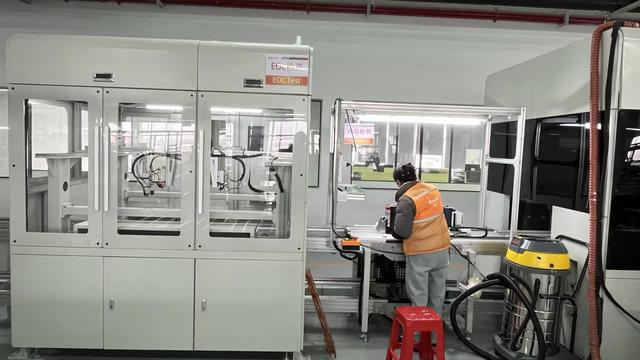
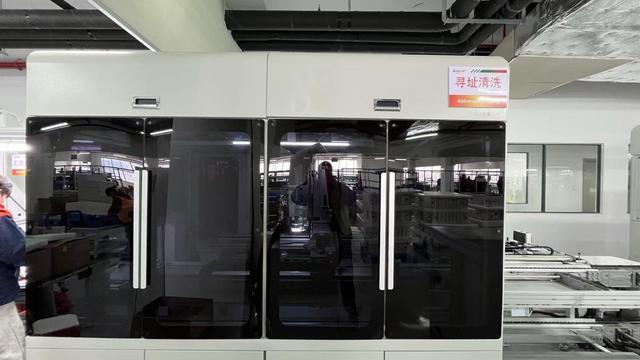
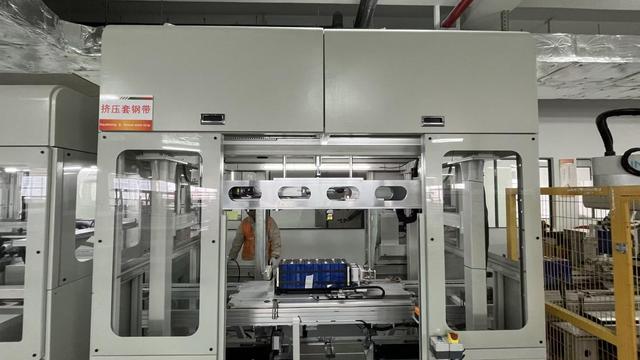
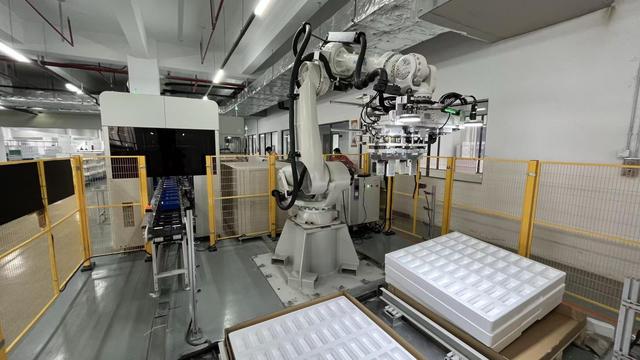
Halkirk Solar operates advanced automated assembly lines with stringer welding machines, multi-stage EL (electroluminescence) imaging, and automated flash testers. Every module undergoes double EL inspections (before and after lamination) to ensure it is shipped free of micro-cracks and latent defects.
This integrated ecosystem enables Halkirk Solar to offer agile OEM and ODM services. Whether you require custom frame colors (such as full-black aesthetics for European residential markets), custom cable lengths, or specialized bifacial glass-glass structures, our engineering team manages product design, manufacturing, and international certifications in-house.
How N-type solar modules optimize energy generation across diverse, real-world deployment sites.
In highly populated European urban zones, space limits large-scale solar installations. Balcony and villa solar systems (utilizing Halkirk's 600W-700W Monocrystalline Balcony Kits) require modules with high area efficiency. N-type cells generate more electricity per square meter, allowing homeowners to maximize energy generation on limited rooftop or balcony spaces.
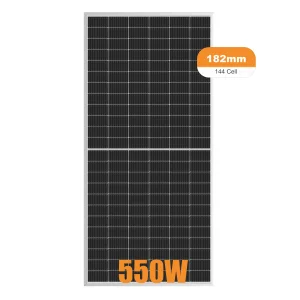
Carports are exposed to diffuse light from surrounding asphalt, vehicles, and metal structures. By utilizing double-sided, high-efficiency modules (such as our Double-sided 550 Watt A+ Photovoltaic Module), operators capture light from both sides. Reflective light from the ground boosts power output by up to 25%, maximizing space utilization for fleet charging stations.
Mobile applications require robust, lightweight solar solutions. Traditional glass panels add too much weight and can crack under mechanical strain. Our ultra-thin, waterproof panels (e.g., HJG-300X Waterproof 300W 24V Ultra-Thin Panel) utilize advanced polymer packaging. They bend to fit curved RV roofs and marine decks, offering saltwater corrosion resistance and high energy yields in challenging marine environments.
Ensuring local regulatory compliance and fast delivery through international certification standards.
Entering international energy markets requires meeting strict local regulations and grid compliance. Ningbo Halkirk Solar Co., Ltd. maintains a robust certification profile to streamline project approvals for international buyers:
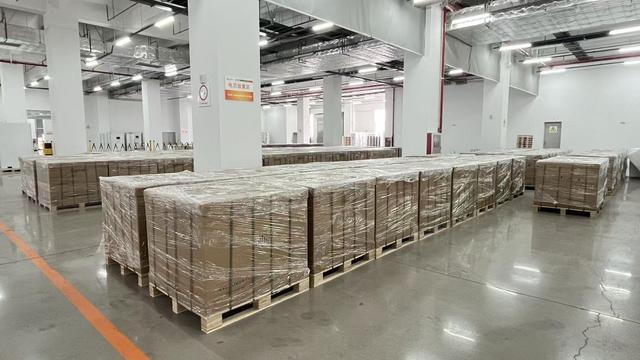
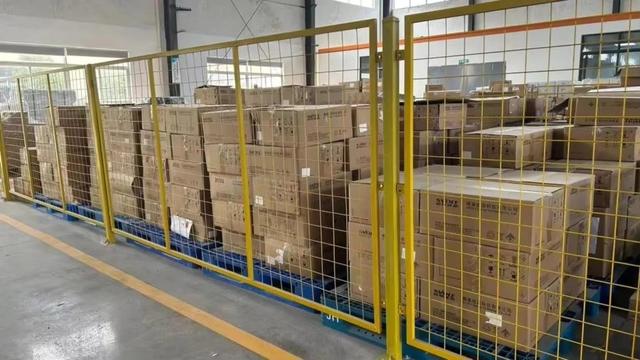
To support EPC contractors and distributors, we offer fast delivery options. By maintaining inventory in EU local warehouses, we supply TOPCon and Jinko/Longi/Trina tier-1 modules with minimal transit times. This helps project developers avoid global supply chain delays and quickly meet construction milestones.
Crucial insights for solar engineers, procurement managers, and wholesalers sourcing N-type solar components.
N-type crystalline silicon cells use phosphorus instead of boron, eliminating Boron-Oxygen defects. This prevents Light-Induced Degradation (LID). P-type PERC panels degrade by 1.5% to 3% in their first year, whereas N-type TOPCon/HJT panels degrade by less than 1.0% in year one. Over 30 years, N-type panels retain over 87.4% of their initial output, compared to around 80.2% for P-type panels, yielding more energy over the system's lifetime.
Bifaciality measures the power generation efficiency from the rear side of a panel relative to its front side. N-type cells feature a bifaciality factor of 80% to 90%, whereas P-type cells average 65% to 70%. When installed over highly reflective ground surfaces (like concrete, gravel, or membrane roofs), the rear side of N-type panels generates more electricity. This increase in energy yield reduces Balance of System (BOS) costs and lowers the LCOE.
Yes. As a manufacturer, we provide OEM and ODM services. We customize dimensions, sheet colors (such as full-black designs), junction box placements, cable lengths, and connector types (e.g., MC4-compatible). We also optimize electrical parameters (like open-circuit voltage and short-circuit current) to match specific central or string inverter requirements.
Our factory is located near the Port of Ningbo-Zhoushan, allowing us to load containers and clear customs within 3 to 5 days. Maritime transit times average 28 to 35 days to European main ports (like Rotterdam or Hamburg) and 18 to 25 days to the US West Coast. We also maintain stock in EU warehouses, enabling delivery within 3 to 7 working days to European locations.
Explore our off-grid solar panels, flexible thin-film systems, and high-output N-type modules designed for diverse installations.
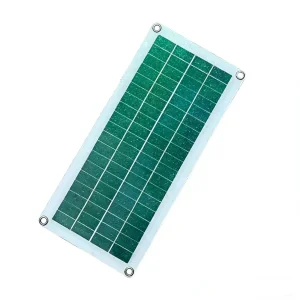
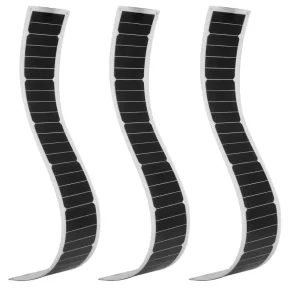
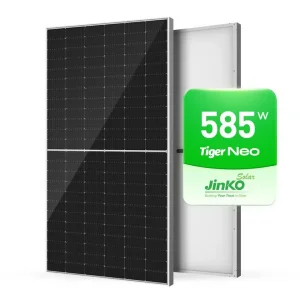
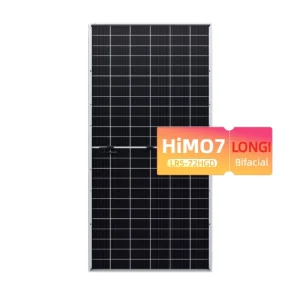
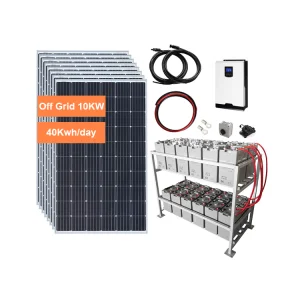
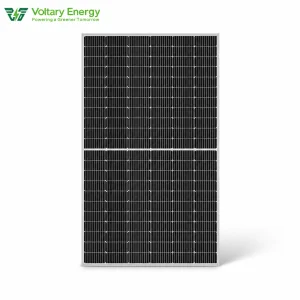
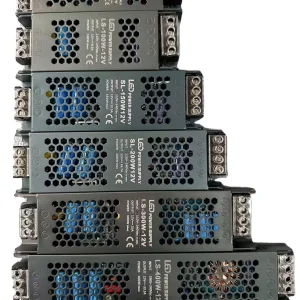
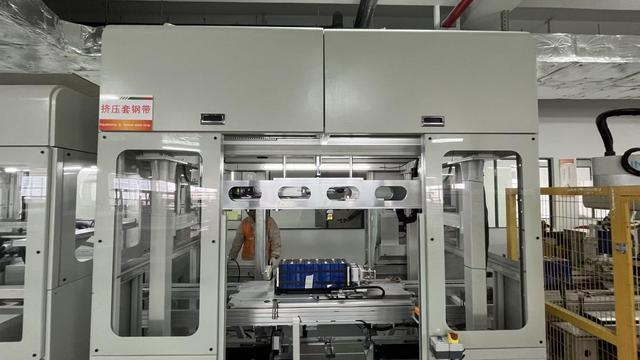
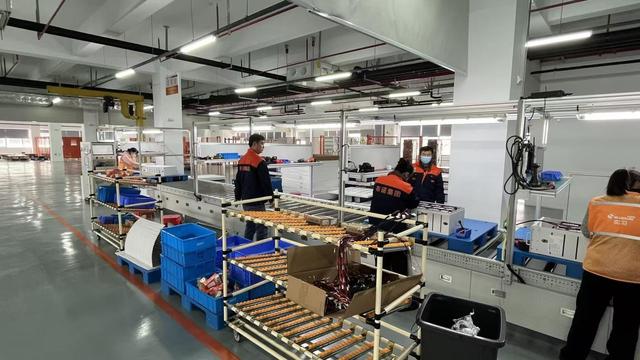
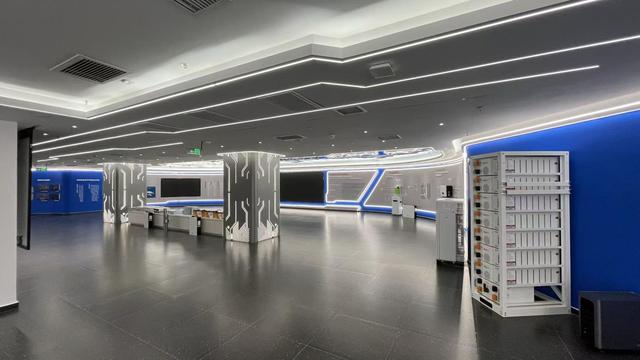
Take a look inside our high-tech factory in Ningbo, China. We operate fully automated stringer welding lines, high-pressure laminating machinery, precise structural framing stations, and advanced dual-EL imaging testing to ensure high quality and reliability for every module shipped.
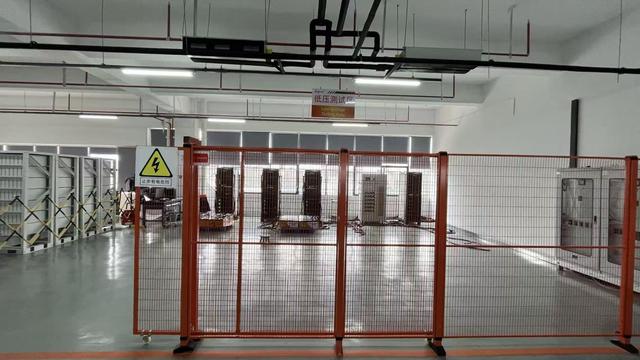
 Halkirk Solar