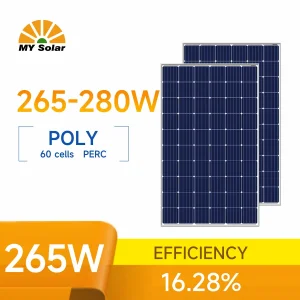
A comprehensive analysis of Passivated Emitter and Rear Cell (PERC) technology, examining its physics, deployment benefits, and optimization vectors for global solar system integration.
Passivated Emitter and Rear Cell (PERC) technology represents a monumental leap over traditional Al-BSF (Aluminum Back Surface Field) cell architectures. By integrating a rear-surface passivation layer—composed of ultra-thin dielectric films like aluminum oxide (Al2O3) capped with silicon nitride (SiNx)—PERC solar cells systematically mitigate carrier recombination at the rear surface. This micro-layer acts as a chemical and field-effect barrier, bouncing unabsorbed light photons back through the active silicon wafer for secondary absorption opportunities. This spectral optimization enables modules to capture more red and near-infrared light, leading to significantly enhanced energy yields under low-light and diffuse solar conditions.
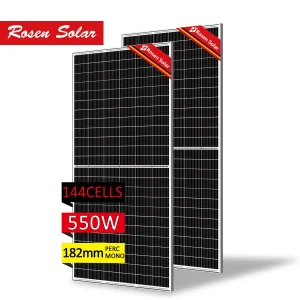
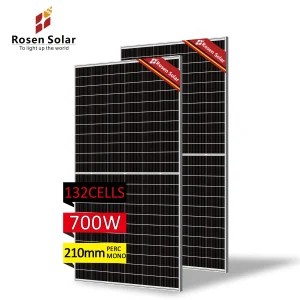
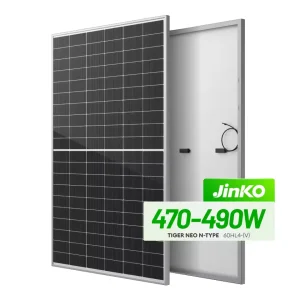
As a leading Chinese supplier, our PERC solar modules combine multi-busbar (MBB) and half-cut cell configurations. Multi-busbar architectures shorten the current transport path, reducing finger resistance and internal electrical losses. Half-cut engineering halves the cell operating current, lowering resistive power losses (I²R losses) by 75%. This configuration keeps our modules operating efficiently even in high-temperature environments, preventing localized hot spots.
Engineered with advanced anti-LID (Light Induced Degradation) and anti-LeTID stabilization protocols, our solar cells secure long-term generation consistency across a 25-to-30 year performance lifespan.
The specialized rear-dielectric coating enhances performance under low-angle morning and evening sun, as well as overcast skies, outperforming conventional legacy panel models.
By replacing the opaque backsheet with high-transmission dual-pane glass, rear cell surfaces absorb up to 25% extra energy reflected from the ground (albedo effect).
Analyzing how automated manufacturing lines, raw material security, and the logistical advantages of Ningbo Port deliver exceptional quality-cost ratios for global B2B procurement partners.
Ningbo Halkirk Solar Co., Ltd. sits in the heart of China’s premium photovoltaic cluster. This location secures direct access to key industrial inputs, streamlining production and stabilizing costs:
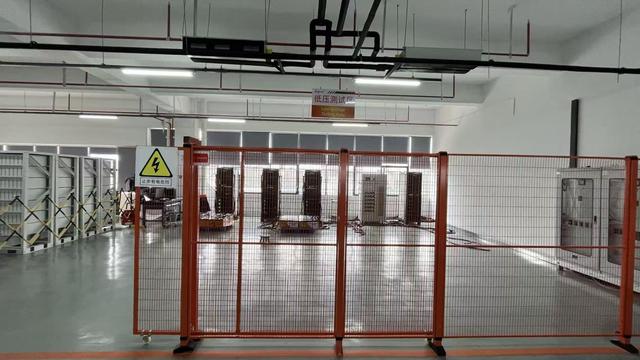
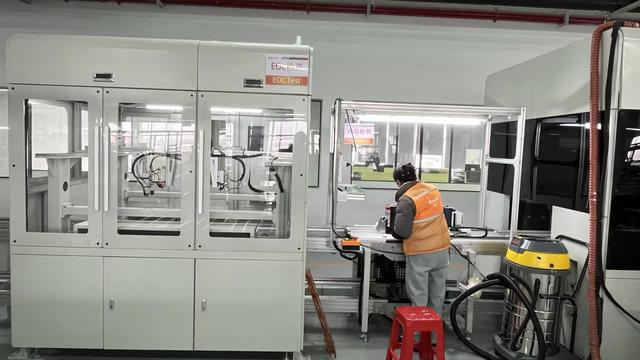
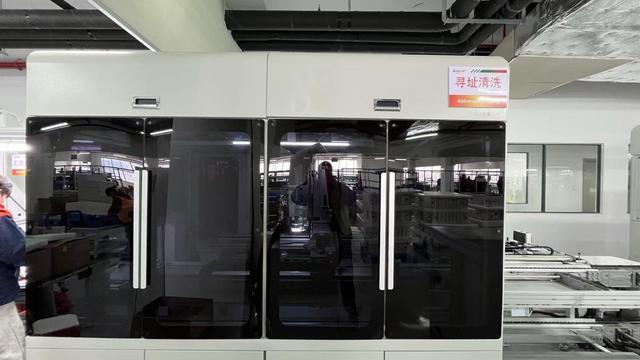
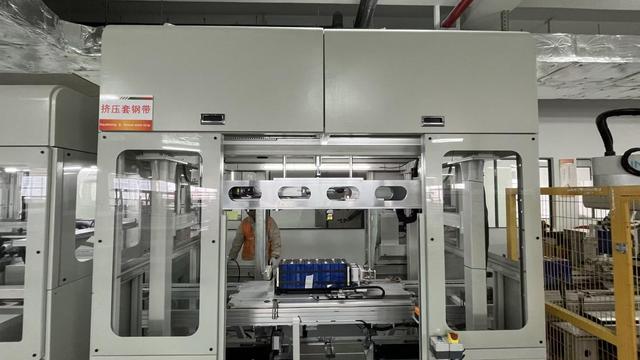
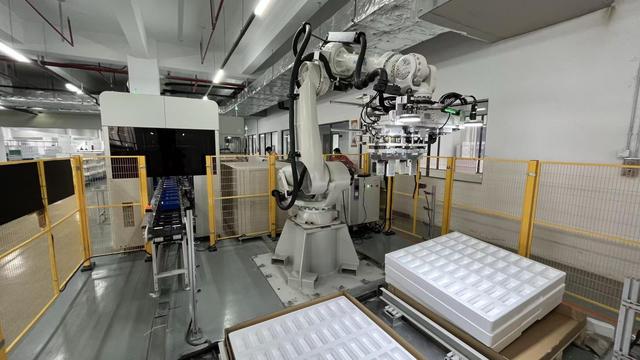
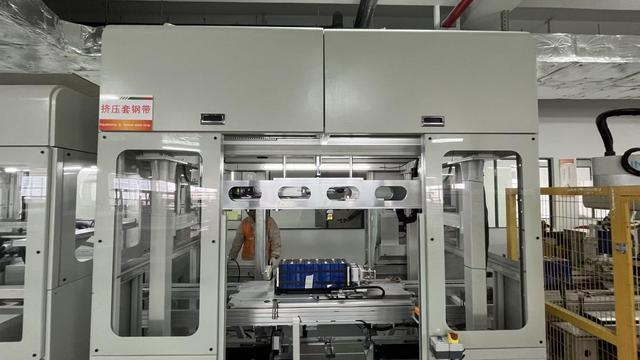
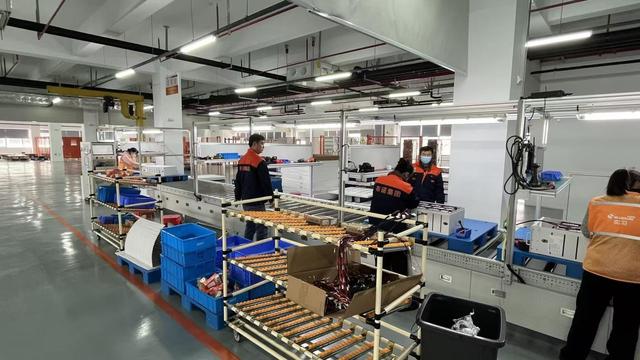
Modern solar manufacturing requires precision. China's solar industrial hubs utilize advanced automation to keep product quality highly uniform across multi-megawatt shipments. Our assembly lines feature intelligent robotic lay-up systems, laser scribing machines, and automated stringing lines that eliminate manual alignment errors.
Quality control is built directly into the manufacturing line. Every cell undergoes automated optical inspections (AOI) to find micro-cracks and structural defects before lamination. During final assembly, modules undergo double Electroluminescence (EL) testing—one pre-lamination and one post-lamination—to ensure no latent micro-fractures exist. Flash testing under simulated sunlight verifies actual power outputs, ensuring every module meets its rated power tolerances.
A strategic engineering comparison of PERC solar cells against legacy Al-BSF technology and emerging N-type TOPCon/HJT architectures.
| Performance Parameter | Legacy Al-BSF Cells | Mono PERC (Our Standard) | N-Type TOPCon | HJT (Heterojunction) |
|---|---|---|---|---|
| Average Cell Efficiency | 19.5% - 20.5% | 22.8% - 23.5% | 24.5% - 25.5% | 25.0% - 26.0% |
| Temperature Coefficient | -0.41% / °C | -0.34% / °C | -0.30% / °C | -0.26% / °C |
| Bifaciality Factor | N/A (Opaque) | 70% - 75% | 80% - 85% | 85% - 95% |
| Levelized Cost of Energy (LCOE) | High (low efficiency) | Optimal Balance (Best ROI) | Moderate (premium price) | High Capital Investment |
| Year 1 Degradation Rate | > 2.5% | < 1.5% | < 1.0% | < 1.0% |
A professional manufacturer and exporter delivering high-efficiency monocrystalline and bifacial solar modules to global commercial and residential projects.
Ningbo Halkirk Solar Co., Ltd. is a professional China solar panel manufacturer and monocrystalline & bifacial solar module supplier, dedicated to delivering high-efficiency renewable energy solutions to customers worldwide. Located in Ningbo, China, the company integrates research and development, manufacturing, quality control, and global sales to provide reliable solar products for residential, commercial, industrial, and utility-scale applications.
Halkirk Solar specializes in the production of monocrystalline solar panels, bifacial solar modules, TOPCon solar panels, N-type solar modules, off-grid solar solutions, on-grid solar systems, and customized photovoltaic products. Leveraging advanced cell technology and intelligent manufacturing processes, our products are designed to maximize energy output, improve conversion efficiency, and ensure long-term performance in diverse environmental conditions.
Our modern manufacturing facility is equipped with automated production lines, precision testing equipment, and strict quality management systems. Every solar module undergoes comprehensive inspections and performance testing to guarantee superior reliability, durability, and compliance with international standards. We are committed to providing products that meet the evolving demands of the global renewable energy market.
To better serve international customers, Halkirk Solar offers flexible OEM and ODM services for solar brands, distributors, EPC contractors, wholesalers, and project developers. Our experienced engineering and technical teams work closely with clients to deliver customized solar solutions tailored to specific project requirements, market demands, and branding needs.
Driven by innovation, sustainability, and customer satisfaction, Ningbo Halkirk Solar Co., Ltd. continues to expand its presence in global markets. We strive to become a trusted partner in the photovoltaic industry by providing high-quality solar modules and comprehensive clean energy solutions that contribute to a greener and more sustainable future.
How modern PERC and advanced PV engineering solve technical challenges across residential, industrial, coastal, and agricultural installations.
For multi-megawatt utility projects, bifacial PERC modules paired with horizontal single-axis trackers yield the lowest Levelized Cost of Electricity (LCOE). Ground albedo reflections (such as from light sand, gravel, or snow) can boost energy generation by up to 25%, maximizing returns on land lease investments.
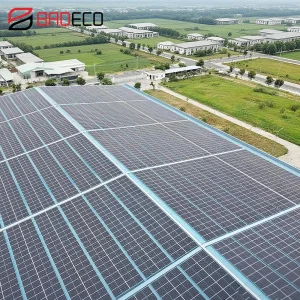
Roof load limits and waterproofing are critical challenges for factory installations. Building-Integrated PV (BIPV) sandwich panels combine structural roofing with high-output monocrystalline cells, reducing structural load while generating on-site power for heavy manufacturing.
Salty air and humidity accelerate corrosion in PV arrays. Our marine-grade double-glass modules feature specialized glass encapsulation, heavy-duty anodized frames, and IP68-sealed junction boxes, providing high resistance to salt-mist and ammonia corrosion.
Navigating the supply chain, customs compliance, testing standards, and localization requirements for international solar projects.
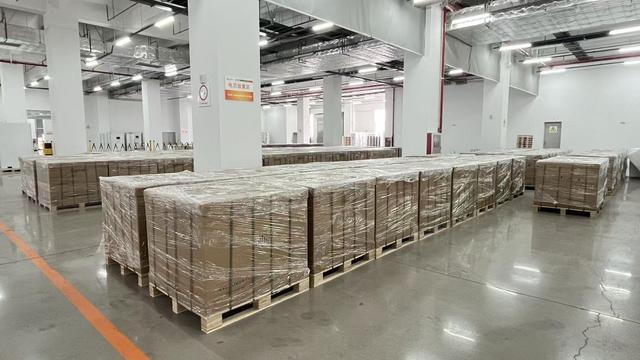
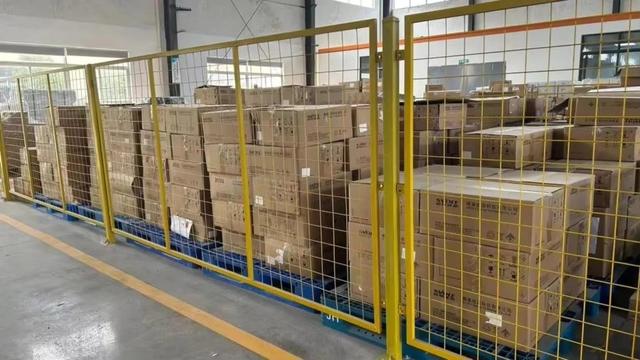
Procuring large solar arrays requires careful logistics planning. Operating from Ningbo, China—home to one of the world's busiest container ports—we offer efficient shipping options to Europe, the Americas, and Southeast Asia. We pack our modules on heavy-duty, moisture-protected pallets to prevent transport stress and micro-cracks during ocean transit.
We work closely with EPC contractors and project developers to provide complete documentation, including clean bills of lading, certificates of origin, Flash Test reports, and factory EL test images. Our compliance team also helps navigate local import regulations, anti-dumping tariffs, and Carbon Border Adjustment Mechanism (CBAM) carbon footprint tracking.
Technical answers for developers, procurement managers, and systems integrators seeking to optimize solar power systems.
PERC adds a rear passivation layer that reflects unabsorbed light back through the silicon wafer, increasing spectral absorption and overall cell efficiency by 1.5% to 2% compared to legacy Al-BSF cells.
We use high-grade gallium-doped silicon wafers and apply post-diffusion thermal treatment processes. This limits first-year Light-Induced Degradation (LID) to under 1.5%, maintaining long-term energy yield.
Bifacial gains depend heavily on the ground albedo. On reflective surfaces like gravel or dry grass, you can expect an extra 10% to 15% energy yield; on sand or snow, gains can reach up to 25%.
We provide comprehensive OEM/ODM services, including custom glass thicknesses, frame colors (such as anodized silver or all-black), junction box cable lengths, custom connector types, and private labeling.
Our modules are stacked vertically on reinforced pallets with high-density corner guards and wrapped in heavy-duty shrink film. This construction reduces vibration and stress during road and sea transport.
All modules undergo testing at recognized facilities and hold major international certifications, including CE, TUV, RoHS, and IEC 61215/61730, ensuring compliance with global grid standards.
 Halkirk Solar