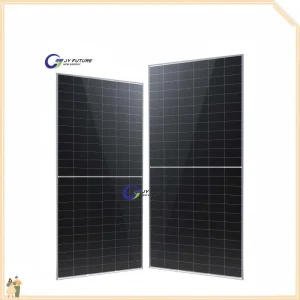
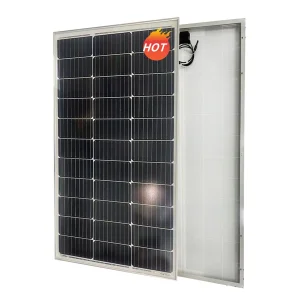
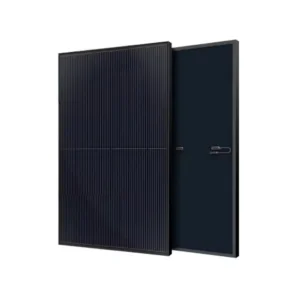
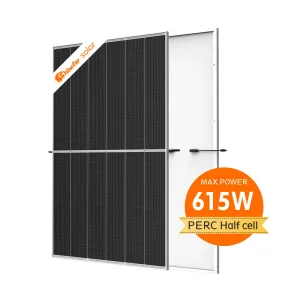
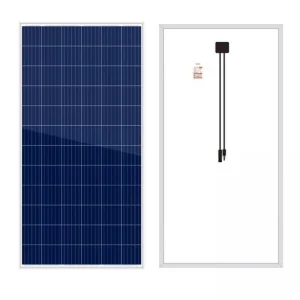
Explore our Tier-1 optimized solar arrays designed for peak efficiency, commercial sustainability, and residential net-zero transitions.
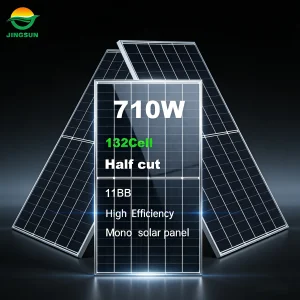
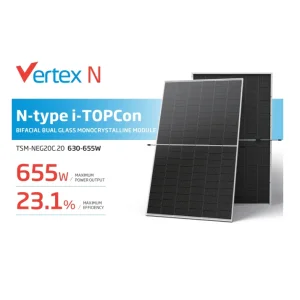
The global energy transition requires unprecedented scales of manufacturing, technical innovation, and cost optimization. Over the last decade, China has solidified its role as the anchor of the international solar photovoltaic (PV) supply chain. As a premier hub, Ningbo Halkirk Solar Co., Ltd. leverages this highly integrated cluster to deliver state-of-the-art silicon wafers, cells, and finished modules to developers worldwide.
The core advantage of China's on-grid solar manufacturing is not merely capital scaling; it is the vertical integration of the entire supply chain. From polysilicon purification in the western provinces to wafer slicing, cell diffusion, and automated modular assembly in coastal shipping ports like Ningbo, every phase is optimized. This spatial proximity drastically minimizes logistical friction, lowers carbon emissions during production, and reduces the overall levelized cost of energy (LCOE).
Furthermore, Chinese factories have pioneered the migration from P-type PERC (Passivated Emitter and Rear Cell) structures to N-type TOPCon (Tunnel Oxide Passivated Contact) and HJT (Heterojunction) configurations. By utilizing advanced manufacturing tools, such as automated AI defect detection and high-precision laser doping, Chinese facilities achieve conversion efficiencies exceeding 22.5% to 25.5% at commercial scale, setting a benchmark for global utility-scale developers.
Peak Cell Efficiency
Dominant Cell Technology
Initial LID Degradation
Global Shipping Port Hub
Solar technology is undergoing a major technological reset. Monocrystalline silicon continues to dominate, but the sub-structures have shifted to yield higher performance in real-world conditions. Ningbo Halkirk Solar Co., Ltd. focuses extensively on N-type architectures because they exhibit virtually zero Light-Induced Degradation (LID) and offer a superior temperature coefficient (-0.30%/°C compared to -0.35%/°C for P-type). This allows for higher power yield in hot climates.
Pioneering ultra-thin silicon oxide layers combined with doped polycrystalline silicon. This reduces carrier recombination at the contacts, boosting potential cell efficiencies close to the thermodynamic limit of 28.7%.
Utilizing high-transparency backsheets or dual-glass encapsulation to capture reflected light from the albedo. This delivers a backside power generation gain of 5% to 30% depending on soil/ground reflectivity.
Larger wafers minimize cell spacing, optimize surface coverage, and reduce the structural Bill of Materials (BOM). This translates directly into lower mounting structures and wiring system costs per watt installed.
In parallel, microgrid compatibility and high-efficiency double-glass structures are enabling developers to implement solar installations on challenging topographies: floating solar (FPV) on reservoirs, agrivoltaics in agricultural land, and tracking systems in desert regions. These deployments require high ingress protection (IP67/IP68 junctions), PID-resistant encapsulation layers (POE/EVA), and robust corrosion-resistant frames.
Ningbo Halkirk Solar Co., Ltd. customizes its design paradigms depending on local operating environments and utility requirements:
Quality assurance (QA) in solar manufacturing determines the project bankability and determines if a module will survive its 25-to-30-year performance guarantee. As a leading supplier based in Ningbo, Halkirk Solar integrates automated inspection points inside its manufacturing cells:
Every module is subjected to triple Electroluminescence (EL) testing: pre-lamination, post-lamination, and pre-packaging. This visual diagnostics process captures micro-cracks, finger defects, and soldering misalignments invisible to the human eye. Coupled with strict flash tests mapping exact electrical output, Halkirk Solar guarantees a positive power tolerance of 0 to +5W, preventing field mismatch losses.
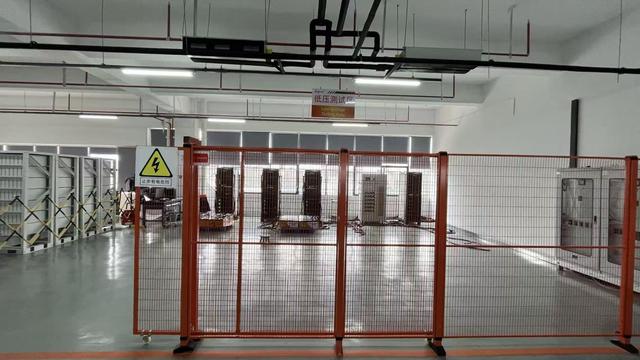
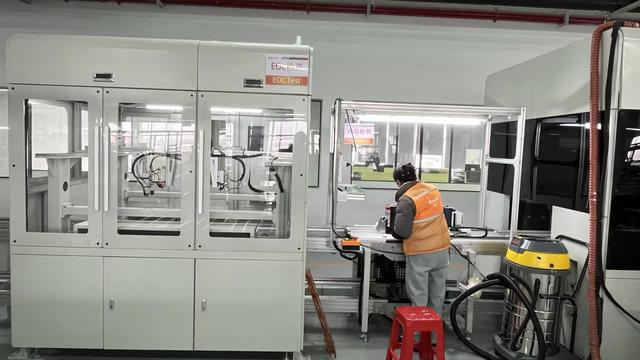
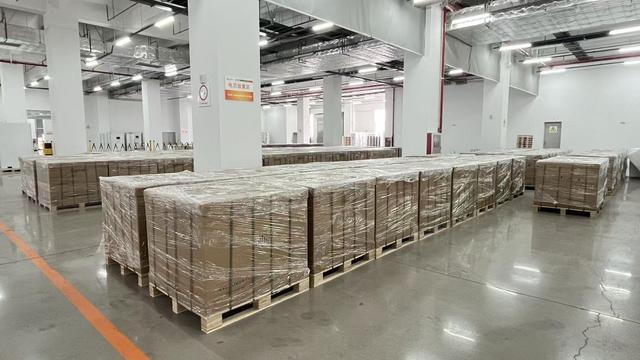
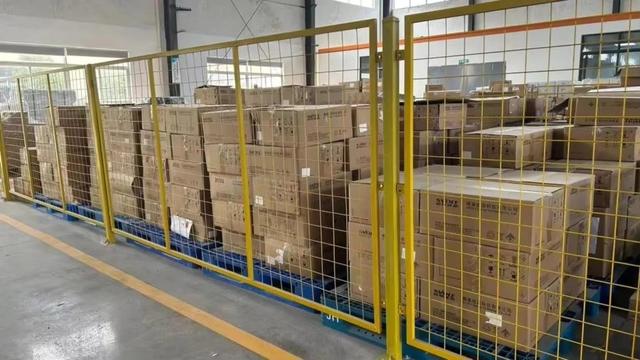
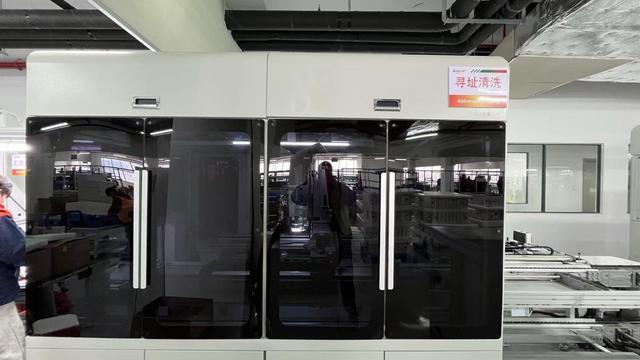
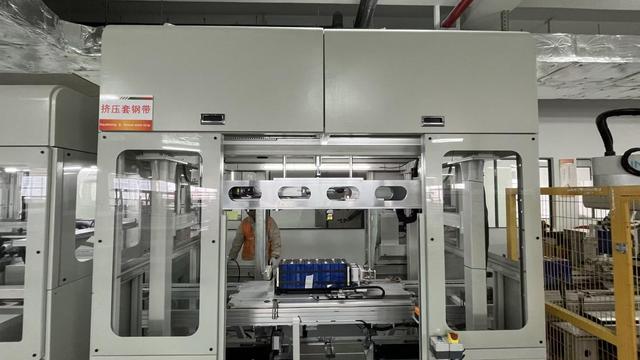
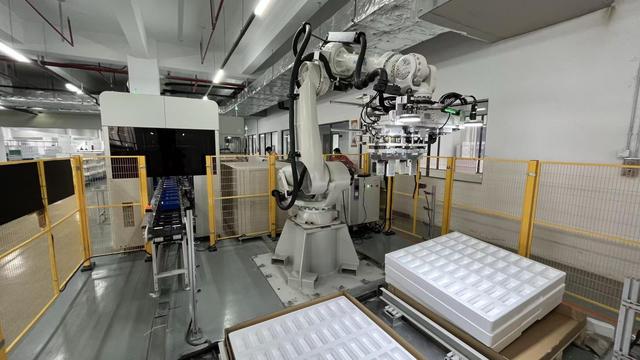
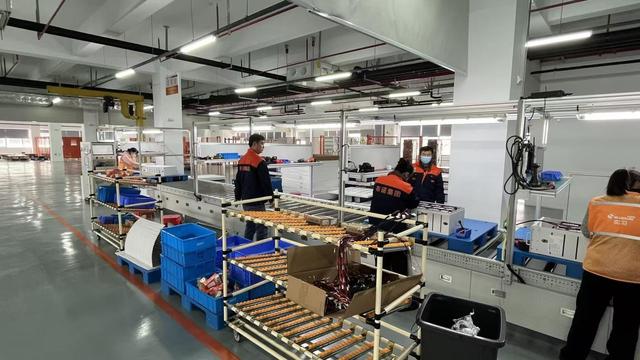
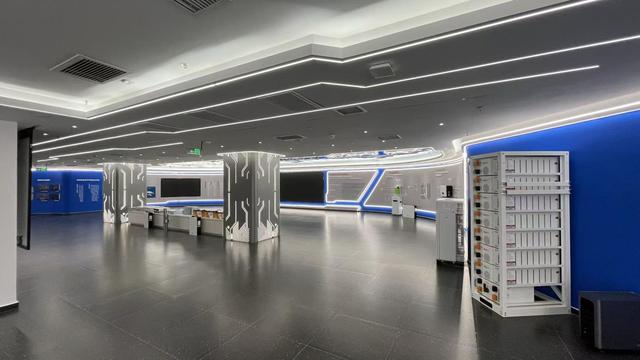
By maintaining strategic supply channels for raw polysilicon, frame aluminum, and high-purity solar glass, Halkirk Solar cushions global buyers from commodity price spikes. Offering dynamic OEM/ODM services allows EPC contractors and wholesale brands to customized dimensions, connector lengths, and branded backsheets while utilizing our state-of-the-art automated lines.
Key technical insights to guide utility developers and engineering procurement managers.
Ningbo serves as a primary hub for global PV manufacturing due to its proximity to component suppliers and the Port of Ningbo-Zhoushan. This spatial clustering minimizes regional transport costs, guarantees constant raw material supply, and enables direct maritime shipping to international ports. This layout reduces total capital expenditure (CAPEX) for global distributors.
N-type TOPCon cells use a phosphorus-doped silicon substrate which eliminates boron-oxygen complex formation. This results in virtually zero Light-Induced Degradation (LID). TOPCon modules also feature a higher bifaciality factor (up to 85%), a lower temperature coefficient (-0.30%/°C), and superior low-light performance compared to P-type PERC modules.
EL testing acts as an X-ray for solar modules. It reveals internal cell damage, micro-cracks, short circuits, and localized inactive areas that can occur during stringing or lamination. Performing multiple EL tests (before and after lamination) prevents damaged cells from being packaged, ensuring long-term yield stability in the field.
Modern monocrystalline modules undergo under 1% to 2% degradation in the first year of operation, followed by a linear annual degradation rate of approximately 0.4% to 0.55% over the subsequent 25 to 30 years. N-type modules showcase lower degradation rates, preserving over 87.4% of initial performance by Year 30.
Yes. We offer fully customizable solar solutions for global brands, EPCs, and project developers. Custom configurations include modifications to module dimension layouts, glass thickness, junction box cable lengths, frame colors, and backsheet designs, all certified to international quality standards.
Explore our complete catalog of off-grid configurations, flexible module applications, and specialty balance-of-system (BOS) kits.
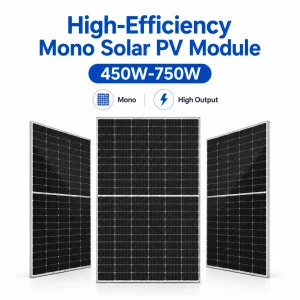
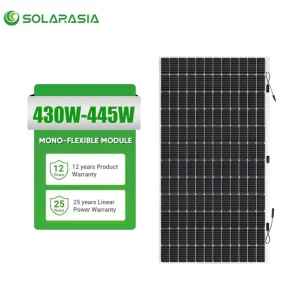
 Halkirk Solar