When a solar system produces less electricity than expected, the cause is rarely obvious. A bright afternoon can still show weak output on the monitoring app. Dust may cover the panels, a nearby tree may cast moving shade, or the inverter may report a warning after a grid interruption. Understanding how to troubleshoot solar system performance issues starts with measured evidence, not guesses.
This guide examines practical checks used by homeowners, technicians, and solar professionals. It explains how to compare current production with the system’s rated capacity, seasonal sunlight, and historical records. It also considers panel temperature, shading patterns, loose connections, inverter faults, battery settings, and unusual household consumption. Small details matter. A dusty lower corner can reduce output across one string. A simple reset may restore communication, but it will not repair damaged equipment.
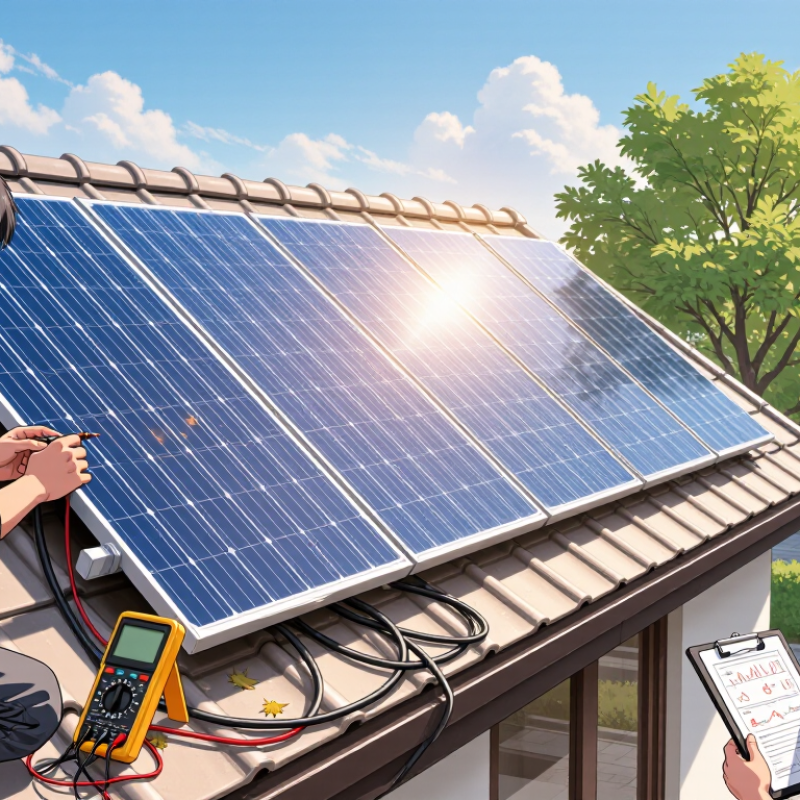
Do not trust one reading. Monitoring platforms can lag, and weather data may not match conditions at your roof. A careful inspection should begin from ground level, while electrical testing remains the responsibility of a qualified professional. Never open an inverter or touch exposed wiring. Safety comes before curiosity.
Some troubleshooting decisions are imperfect. Manufacturer estimates may assume ideal conditions, while real roofs rarely provide them. Even experienced installers can miss gradual shading or a failing connector. Keeping dated screenshots, utility bills, and maintenance notes creates a clearer performance record. That evidence helps separate normal seasonal variation from a genuine fault and supports a more reliable conversation with your installer.
A normally performing solar system follows the sun’s movement, not a flat line. Output rises after sunrise, peaks around solar noon, then falls toward sunset. Brief dips can occur when clouds cross the array. A clear winter day may still produce less energy because daylight is shorter and the sun sits lower. Check the daily curve against local irradiance, not yesterday’s total alone.
The National Renewable Energy Laboratory’s review, Photovoltaic Degradation Rates—An Analytical Review, reports a median module degradation rate near 0.5% per year. A ten-year-old system may therefore produce slightly less than its first-year output, even when everything works correctly. Inverter clipping is also normal when array output briefly exceeds inverter capacity. It appears as a flat-topped graph near midday.
Small details matter. Leaves, dust, bird deposits, and one shaded module can reduce production unevenly. Compare each month with the system’s original estimate and nearby weather records. IEA PVPS Task 13 identifies performance ratio as a useful diagnostic measure, but it should be adjusted for temperature, irradiation, and system losses. A sudden drop deserves attention. Record the date, weather, fault codes, and meter readings before contacting a qualified technician. I have found that one cloudy screenshot often creates more confusion than evidence. EIF
Output rises after sunrise, peaks near solar noon, then declines toward sunset. Clouds may create brief dips. A flat line needs attention.
Winter has shorter daylight and a lower sun angle. Compare similar seasons, not yesterday’s total. Weather still matters.
Yes, output may decline by about 0.5% yearly. A ten-year-old system can produce slightly less than during its first year. Small losses accumulate.
Clipping happens when panel output briefly exceeds inverter capacity. The graph shows a flat top near midday. That pattern can be normal.
Leaves, dust, bird deposits, and new tree shade can block sunlight. One shaded panel may reduce production unevenly. Look from the ground.
Compare several clear days from the same season. Check monthly totals, inverter messages, and monitoring graphs. Do not trust one reading.
Confirm the household electrical supply is available. A neighborhood outage can imitate system failure. Record warning lights, messages, and times.
Do not open energized equipment or touch damaged cables. Never climb onto the roof for a quick inspection. Safety comes first.
Check battery charge, operating mode, temperature warnings, and household usage. A large appliance may consume available energy. Monitoring can also be delayed.
Share dates, weather notes, photographs, fault codes, and meter readings. Record production at the same hour for several clear days. My first assumption may be wrong.
A well-performing solar system should produce electricity consistently according to sunlight, season, system size, and local conditions. When output begins to fall, common warning signs include lower energy production than expected, unusual monitoring readings, unexpected shutdowns, or noticeable differences between similar sunny days. Dirt, shading, loose connections, damaged wiring, inverter faults, battery problems, and aging panels can all reduce performance.
To understand how to troubleshoot solar system performance issues, begin by checking recent production data and comparing it with previous periods under similar weather conditions. Inspect the panels from a safe distance for dirt, new shade, cracks, or visible damage, and confirm that system indicators show normal operation. Check whether circuit breakers or safety switches have tripped, but avoid opening electrical equipment. If basic checks do not explain the reduced output, or if there are warning messages, electrical odors, overheating, or physical damage, stop investigating and contact a qualified solar professional. Professional testing can identify hidden faults and ensure repairs are completed safely and correctly.

 Halkirk Solar