7 Best Reasons Businesses Invest in Solar Energy Solutions?

Time:2026-11-18 Author:Madeline
0%

For many companies, electricity is more than a monthly expense. It powers lights, refrigeration, computers, and production equipment, often during the most expensive hours of the day. That is why are businesses investing in solar energy solutions: they want greater control over energy costs, while making practical use of available roof or land space. Energy matters.

Solar panels can help reduce purchases from the grid, but savings depend on local rates, system size, weather, and how closely generation matches demand. A warehouse with broad, sunlit roof space may have different opportunities from a small office surrounded by shade. Numbers matter. Businesses should review their bills, site conditions, and expected maintenance before choosing a system.

The case for solar can also include resilience, sustainability goals, and a clearer story for customers and employees. Battery storage may provide backup for selected equipment, though it adds cost and does not guarantee uninterrupted power. Incentives and connection requirements vary by location, so current guidance from qualified installers and energy professionals is important. There are trade-offs.

This guide explores seven reasons businesses consider solar energy solutions, from managing operating costs to supporting long-term environmental targets. It also recognizes an uncomfortable detail: solar is not automatically the right choice for every building or budget. A careful assessment can show where the benefits are convincing—and where more questions remain.
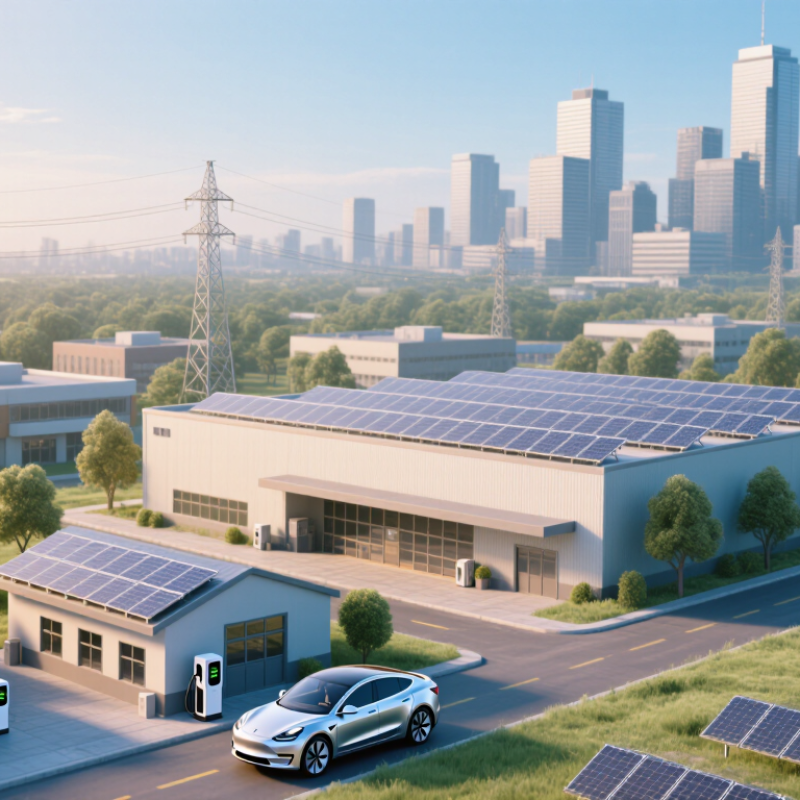
7 Best Reasons Businesses Invest in Solar Energy Solutions?

Business Energy Needs and the Role of Solar Power

Businesses need dependable electricity for lighting, refrigeration, servers, machinery, and increasingly electric vehicle charging. A warehouse roof may sit under strong afternoon sun while cooling systems draw heavily, making on-site solar a practical match for some daytime loads. The International Energy Agency’s Renewables 2024 report estimates that solar PV generation increased by 320 terawatt-hours in 2023, or 25 percent. That is useful context. It shows how quickly solar is expanding, though global growth alone cannot predict a company’s savings.

A sensible assessment starts with interval electricity bills, roof condition, shading, and operating hours. A factory running mainly at night may use less solar power directly than a daytime office. Batteries can shift some generation into evening hours, but their cost and performance deserve careful review. Not automatic savings. Businesses should compare system output with local tariffs, demand charges, and seasonal consumption before committing. The U.S. National Renewable Energy Laboratory’s commercial rooftop research also points to substantial technical potential, but usable capacity depends on structural limits and site conditions. A shaded, aging roof can change the calculation. Solar planning works best when energy data, building inspections, and operational needs are considered together.

How Solar Installations Can Reduce Long-Term Energy Costs

Businesses invest in solar energy solutions because electricity bills can remain a major operating expense. Solar panels convert sunlight into power on-site, which can reduce the amount of electricity a business buys from the grid. A warehouse with a broad, unshaded roof may generate useful power during busy daytime hours. That timing matters. When production closely matches daily demand, savings can be more predictable.

The financial benefit depends on the site, not just the panel count. Electricity rates, roof condition, local sunlight, installation costs, and utility rules all affect payback. A careful proposal should compare expected production with at least a year of bills. It should also include equipment upkeep and possible inverter replacement. Estimates are not promises; cloudy seasons or changing energy use can alter results. Even a good plan can miss something.

Tips: Ask for a month-by-month production estimate, not only an annual figure. Check roof repairs before installation, and compare projected savings against total costs. If the numbers feel too neat, ask what assumptions they use.

Solar Power as a Hedge Against Electricity Price Changes

Electricity prices can change faster than a business can adjust its budget.

Solar energy offers a measure of protection by producing power on-site and reducing how much electricity a company buys from the grid. The value is easiest to see during sunny business hours, when lights, refrigeration, or machinery are running. A monthly bill may become less exposed to changing energy rates.


It is not a complete shield.

Fixed utility charges, seasonal production, and rules for crediting exported electricity all affect savings. A warehouse with daytime demand may use much of its solar output directly; an office that peaks after sunset may benefit less without storage.

Forecasts can miss. Review at least a year of interval usage and utility bills before estimating costs. A spreadsheet can make the result look cleaner than it is.

Compare projected savings with installation, maintenance, financing, and any battery costs, then test the estimate against lower production and weaker export credits. Solar can make some electricity costs more predictable, but the outcome depends on the site and tariff.

Improving Energy Resilience Through On-Site Generation

When grid power fails, a business can lose more than lighting. Refrigeration warms, payment systems stop, and staff may have to pause work. On-site solar can help keep essential operations running, especially when paired with battery storage and equipment designed to operate during outages.

Solar panels alone usually do not provide backup power. Many systems shut down when the grid goes out, unless they include suitable controls and are configured for independent operation. A battery can store daytime energy for evening use or an interruption. A small clinic might prioritize refrigeration and communications, while a workshop may need ventilation and selected machinery. The right setup depends on which loads matter most.

Be specific. List critical equipment, estimate its power demand, and decide how many hours it must run. A system sized only for an average utility bill may not support a difficult outage. Clouds also reduce solar production, and batteries eventually need inspection or replacement. That can complicate planning. Regular outage tests can reveal whether circuits switch correctly and whether stored energy lasts as expected. A modest system with clear priorities may offer more useful resilience than a larger system designed without a realistic backup plan.

Why it matters: U.S. commercial electricity prices rose about 17% between 2019 and 2023. On-site solar can help businesses reduce exposure to grid electricity prices. Solar panels alone generally do not provide power during an outage; backup operation typically requires suitable storage and islanding equipment.

Source: U.S. Energy Information Administration, Electric Power Monthly. Annual average commercial-sector retail prices, cents per kilowatt-hour.

Environmental and Brand Benefits of Business Solar Investment

Solar panels can make a company’s environmental claims more concrete. The IPCC’s Fifth Assessment Report estimates median lifecycle emissions of 48 grams of carbon dioxide equivalent per kilowatt-hour for solar PV, compared with 820 grams for coal. The difference is substantial, but actual benefits depend on the local grid, equipment, and system lifespan. A shaded roof still matters. Review site-specific generation and emissions data before making public claims.

Panels over a loading dock, or a clear energy dashboard, can make solar a visible brand signal. IBM Institute for Business Value’s 2022 consumer survey found that 49% of respondents had paid more for sustainable products in the previous year. This suggests potential customer interest, not guaranteed sales growth. Installations alone do not prove a business is sustainable. Trust can erode when marketing claims outrun measured results.

Tips: Record baseline electricity use, estimated solar output, and avoided emissions consistently. Share the assumptions behind your figures, not just a bold carbon number. Check roof condition and seasonal shade with a qualified energy professional. Small details count.

7 Best Reasons Businesses Invest in Solar Energy Solutions? - Environmental and Brand Benefits of Business Solar Investment

# Business reason Verifiable indicator What the data shows Environmental or brand relevance Important consideration
1 Reduce electricity-related emissions Lifecycle greenhouse-gas emissions per kilowatt-hour IPCC assessments report median lifecycle emissions of about 48 g CO₂e/kWh for solar PV, compared with about 820 g CO₂e/kWh for coal and 490 g CO₂e/kWh for natural gas. Solar can lower the emissions associated with a business’s electricity use and support progress toward climate targets. Actual avoided emissions depend on the local electricity mix, system output, and the accounting method used.
2 Lower purchased electricity through on-site generation Solar electricity consumed on-site, measured in kWh Each unit of solar electricity used at the property can reduce the amount of electricity purchased from the grid at that time. Businesses can report metered solar generation and on-site use as part of their energy and sustainability reporting. Bill savings depend on system size, usage patterns, tariffs, export compensation, and installation costs; savings are not guaranteed.
3 Limit exposure to changing energy prices Share of electricity use supplied by the solar system Solar panels generate electricity without purchasing fuel. The energy they produce can therefore reduce exposure to some grid electricity price changes. More predictable on-site generation can support long-term energy planning and provide a measurable sustainability action to communicate. Grid connection charges, fixed fees, and electricity used outside solar-generation hours may still affect the bill.
4 Strengthen credible environmental communication Solar generation, renewable electricity share, and reported emissions These outcomes can be tracked using meter data and documented calculation methods rather than relying on broad, unverified environmental claims. Transparent reporting can help customers, employees, and investors understand the business’s energy actions and progress. Claims should accurately describe the system’s output and the company’s emissions accounting; solar installation alone does not make a business carbon-neutral.
5 Add resilience when paired with storage Critical-load coverage and battery backup duration Solar paired with suitable battery storage and islanding equipment can supply selected loads during some grid outages. Backup capability may help maintain essential operations and demonstrate practical investment in energy resilience. Most standard grid-connected solar systems shut down during an outage for safety unless designed with appropriate storage and backup equipment.
6 Invest in a long-lived generating asset Annual module performance degradation A widely cited NREL review found a median PV module degradation rate of about 0.5% per year. At that constant rate, output would be about 88% of its initial level after 25 years. Long-term generation can support sustained emissions reductions and provide a durable, measurable part of a company’s energy strategy. This is a historical median, not a guarantee for a particular system. Output also depends on equipment, installation, maintenance, and site conditions.
7 Evaluate a competitive source of electricity Levelized cost of electricity (LCOE) IRENA reported a 2023 global weighted-average LCOE of about US$0.044/kWh for newly commissioned utility-scale solar PV. A documented cost comparison can support an evidence-based investment case and responsible communication about the project. This global utility-scale benchmark is not a quote for a commercial rooftop system. Local prices, financing, incentives, and project design matter.

Sources: IPCC, Climate Change 2014: Mitigation of Climate Change, Annex III (lifecycle electricity-generation emissions); NREL, Jordan and Kurtz, “Photovoltaic Degradation Rates—An Analytical Review” (2012); IRENA, Renewable Power Generation Costs in 2023 (published 2024). Figures are benchmarks, not project-specific forecasts.

FAQS

How can solar power help a business reduce electricity costs?

Panels generate electricity on-site, reducing some grid purchases. Savings depend on sunlight, electricity rates, and when the business uses power.

Which businesses may benefit most from rooftop solar?

Businesses with broad, unshaded roofs and daytime electricity use may use more solar directly. A warehouse running cooling systems under afternoon sun is one example.

What should a business check before installing panels?

Review at least a year of electricity bills, roof condition, shading, and operating hours. An aging roof can change the whole calculation.

Can solar panels cover a business’s evening electricity use?

Batteries can shift some daytime generation into evening hours. Their cost and performance need careful review. Not automatic savings.

How should a business judge a solar savings estimate?

Ask for monthly production figures and compare them with bills, tariffs, demand charges, and total costs. A neat spreadsheet can still miss something.

Do solar panels guarantee lower long-term energy costs?

No. Cloudy seasons, equipment upkeep, inverter replacement, or changing energy use can affect results. Estimates are not promises.

Can business solar reduce environmental impact?

Solar can produce electricity with lower lifecycle emissions than coal. Actual benefits depend on the local grid, equipment, and system lifespan.

Does installing solar guarantee more customer interest or sales?

No. Some customers may value visible environmental efforts, but panels alone do not prove sustainability. Measured results matter. Claims can outrun the data.

Conclusion

Businesses are increasingly turning to solar power to meet growing energy demands while gaining more control over operating costs. Solar installations can reduce reliance on purchased electricity and help lower long-term energy expenses, especially when systems generate power during periods of high business activity. For many organizations, why are businesses investing in solar energy solutions comes down to both financial predictability and practical resilience: producing electricity on-site can cushion businesses from changing utility prices and provide an additional source of power when the grid is disrupted.

Solar investment can also support environmental goals by reducing dependence on conventional energy sources. Demonstrating a commitment to cleaner energy may strengthen a company’s reputation with employees, customers, and other stakeholders. Together, potential savings, greater energy security, protection from price fluctuations, and environmental benefits make solar a strategic option for businesses planning for the future.

Madeline

Madeline

Madeline is a dedicated marketing professional with a wealth of expertise in our company's core offerings. With a keen understanding of the industry, she brings a unique perspective to her role, consistently delivering high-quality content that highlights the superior aspects of our products. As......