Determining the right solar system for your home can be challenging. Many homeowners ask, “what size solar system do I need?” This question requires careful consideration of your energy needs, roof space, and budget. According to solar energy expert Dr. Jane Hudson, “Choosing the right size solar system is crucial for optimal efficiency and savings.”
Understanding your household’s energy consumption is the first step. Take note of your monthly electricity bills. This will help you gauge how much power you need. Often, people underestimate their requirements. Planning for future energy use is equally important.
Additionally, factors like sunlight exposure and panel efficiency play a role in decision-making. Many assume larger systems are inherently better, but that is not always true. Oversizing can lead to wasted energy and unnecessary costs. An ideal solar system matches your specific needs without excess. It's worth reflecting on these elements to make a wise choice.
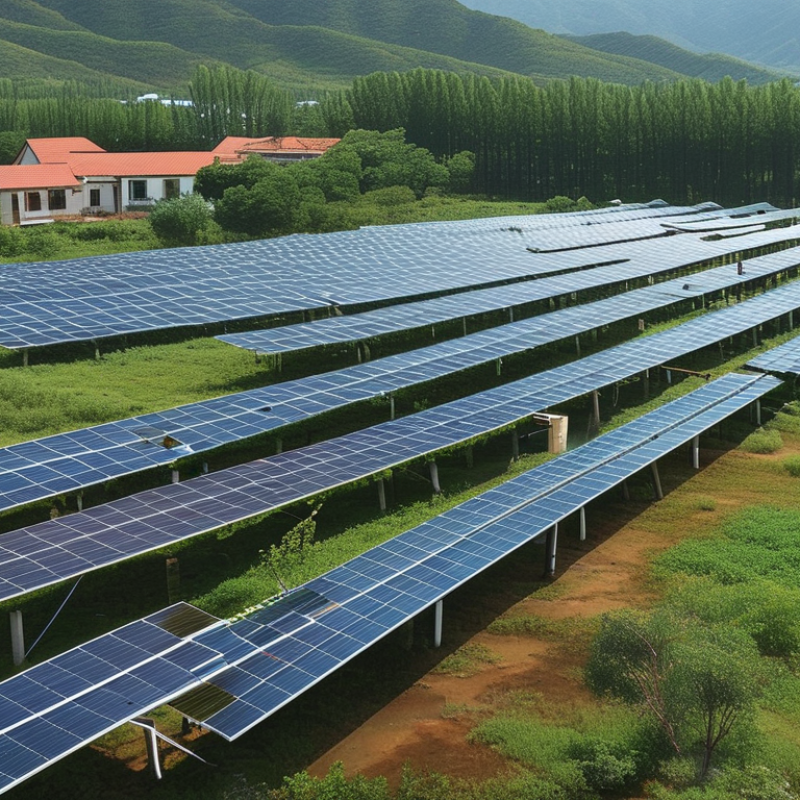
When considering a solar system for your home, proper sizing is crucial. An effective solar system can reduce energy costs and improve sustainability. According to the National Renewable Energy Laboratory, a typical household in the U.S. requires about 10,500 kWh of electricity per year. This translates to approximately a 6 kW solar system.
Understanding your energy needs is step one. Analyze your electric bills to determine average consumption. This transparency allows for tailored system designs that can optimize usage. Homes with higher energy demands will require larger systems. However, overestimating can lead to wasted resources. It's essential to find a balance that meets needs without excess.
Also, consider the physical space available for panels. Roof orientation and shading can affect efficiency and output. Ideally, panels should face south in the northern hemisphere. Yet, not every home offers the perfect setup. Acknowledging these limitations is important in the planning process. Consulting experts can provide insights on potential adjustments or alternative solutions, ensuring a reliable energy source for years to come.
When considering residential solar systems, various factors influence the size needed for an efficient setup. First, energy consumption plays a critical role. The average U.S. household consumes about 877 kWh per month. A solar system must be designed to cover a significant portion of this demand. Homeowners should analyze their energy bills to understand usage patterns. This baseline helps in determining the required solar capacity.
Another important factor is roof size and orientation. A typical solar panel occupies around 17.6 square feet. If your roof space is limited or shaded by trees, this may hinder the potential output. Data shows that well-oriented roofs can enhance energy generation by 20% compared to poorly positioned ones. Careful assessment of roof inclination and sunlight exposure is essential for maximizing efficiency.
Additionally, local regulations and incentives can impact system size. Some states offer rebates or tax incentives which can affect initial investment decisions. According to the Solar Energy Industries Association (SEIA), quality installations can return 150% more on investment in regions with supportive policies. Assessing these local nuances is vital for optimizing your solar energy system and ensuring lasting value.
When considering solar panel installation, understanding your home’s energy needs is crucial. Start by reviewing your monthly electricity bills. This provides insight into your average consumption. Take note of your peak usage times, like evenings or weekends. Understanding this will help you size the system correctly.
Next, calculate your total energy usage in kilowatt-hours (kWh). An average home may require 800 to 1,200 kWh monthly. Divide this by the average sunlight hours in your area. This calculation will help you estimate the size of the solar system you need.
While planning, consider future changes. Do you plan to upgrade appliances or add electric vehicles? These factors can increase your energy demand. It’s wise to overestimate slightly. Design your system to accommodate future growth. This can prevent you from needing another installation soon.
When considering solar systems for your home, evaluating sunlight exposure is crucial. The amount of daily sunlight impacts solar panel efficiency significantly. A home with ample sunlight receives more energy, enhancing the system’s output. Areas shaded by trees or buildings will generate less power. Observing sun patterns can reveal the best spots for installation.
Solar panel placement is vital. South-facing roofs typically capture the most sunlight. East and west-facing roofs also work but may yield lower outputs. Different regions in China have diverse sunlight hours. For example, southern areas enjoy more sunshine than northern regions. Seasonal changes affect solar efficiency, too. Winter months can reduce energy production.
Determining the right size for your solar system involves understanding your daily energy needs and local sunlight conditions. Homes with limited sunlight may require larger systems to compensate for lower energy output. Regularly tracking energy usage can help in sizing your solar system accurately. Ultimately, a tailored approach based on sunlight exposure is essential for optimal solar energy capture.
| System Size (kW) | Estimated Daily Production (kWh) | Ideal Home Size (m²) | Average Sunlight Hours/Day | Cost Estimate (USD) |
|---|---|---|---|---|
| 3 kW | 12 kWh | 30 m² | 5 | $3,600 |
| 5 kW | 20 kWh | 50 m² | 5 | $6,000 |
| 7 kW | 28 kWh | 70 m² | 5 | $8,400 |
| 10 kW | 40 kWh | 100 m² | 5 | $12,000 |
| 15 kW | 60 kWh | 150 m² | 5 | $18,000 |
When choosing a solar system for your home, size matters. Each household has unique energy needs depending on usage and location. Reports by the National Renewable Energy Laboratory (NREL) indicate that a typical home requires a system ranging from 5 to 10 kW to achieve a balance between efficiency and energy consumption. This capacity can help offset a significant portion of your electricity bill.
Understanding the right type of solar system is equally important. The two main options are grid-tied and off-grid systems. Grid-tied systems connect to the utility grid, allowing homeowners to sell excess energy back. In contrast, off-grid systems are ideal for remote areas but require larger batteries, raising initial costs. According to a 2021 study by the Solar Energy Industries Association (SEIA), homes using grid-tied systems experienced a 20% higher return on investment compared to off-grid systems.
Consider your environment and energy bills. An improperly sized solar system can lead to waste. While larger systems produce more energy, they can also incur higher costs without added benefits if your energy needs are low. Regular assessments and adjustments based on energy consumption trends can ensure optimal performance and prevent overspending on unnecessary capacity.
This chart represents the average power output (in kW) of different solar system sizes suitable for residential homes in China. The data reflects the common sizes and their respective efficiency to help homeowners choose the right system for maximum performance.
: Start by reviewing your monthly electricity bills to understand average consumption. Look for peak usage times, too.
Roof size, orientation, and shading impact energy output. Well-oriented roofs can boost generation significantly.
Local incentives may reduce initial costs. Check for rebates that can make your investment more effective.
An average home uses around 800 to 1,200 kWh monthly. This varies by lifestyle and household size.
Yes, account for potential upgrades like electric vehicles or new appliances. Overestimate your needs to avoid future issues.
Grid-tied systems connect to utilities, allowing energy sales. Off-grid systems need larger batteries and cost more initially.
Yes, an oversized system can lead to wasted energy and higher costs. Regular assessments can help optimize your setup.
Regularly measure your energy usage and adjust your system size as needed. This avoids paying for unnecessary capacity.
Typical homes need a system between 5 to 10 kW to balance efficiency and energy consumption effectively.
Explore innovative panel options or consider ground-mounted systems if feasible. Assess shading and lighting conditions carefully.
When considering solar panel installation for your home, one of the most common questions homeowners ask is, "what size solar system do I need?" Understanding the basics of solar system sizing is crucial for optimizing energy efficiency and cost-effectiveness. Factors such as your household's energy consumption, the size and orientation of your roof, and local sunlight exposure play vital roles in determining the appropriate system size.
To calculate your home's energy needs, you'll want to evaluate your average electricity usage and consider any future increases in consumption. Assessing your property’s sunlight exposure is equally important, as this impacts the efficiency of your solar panels. Moreover, selecting the right type of solar system tailored to your energy requirements can enhance overall performance and return on investment, ensuring that you make a well-informed decision for sustainable energy consumption.

Halkirk Solar