The effectiveness of solar panels on cloudy days has been a topic of discussion for years. Research shows that solar panels can produce energy even with limited sunlight. In fact, studies highlight that on overcast days, solar panels can generate 30% to 50% of their peak output. This raises the question: can solar panels work on cloudy days effectively?
Industry experts emphasize that solar technology continues to improve. For instance, advancements in photovoltaic cells enhance performance in low-light conditions. Data from the National Renewable Energy Laboratory indicates that certain solar panels, like monocrystalline types, perform better under cloudy skies compared to their counterparts. Yet, consumer misconceptions persist about the viability of solar energy in less-than-ideal weather.
Despite the benefits, reliance solely on solar energy in cloudy areas can pose challenges. Energy production fluctuates, leading to potential gaps in supply. Exploring these dynamics leads to deeper insights into how solar energy can fit into a diverse energy strategy. Understanding these intricacies is crucial for decision-makers. Future studies are needed to address reliability and cost concerns for cloudy regions. Overall, the potential of solar energy remains significant, but it requires ongoing evaluation.
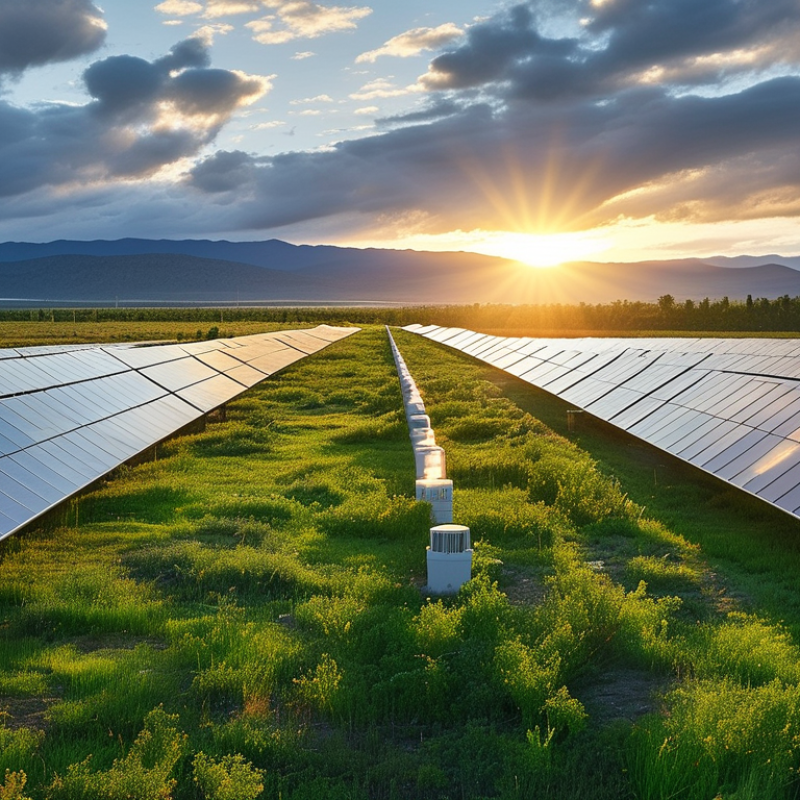
Solar panels can still generate electricity on cloudy days, albeit at a reduced efficiency. Data from the U.S. Department of Energy indicates that solar panels produce about 10-25% of their peak capacity in overcast conditions. This lower output occurs because clouds block a significant portion of sunlight, reducing energy capture. However, advancements in solar technology allow for better performance in low-light situations.
Many modern solar panels use monocrystalline technology, which is known for high efficiency. Reports suggest that these panels can convert up to 22% of sunlight into electricity, even under less than optimal conditions. Some studies show that solar systems installed in cloudy regions can still achieve annual energy outputs comparable to sunnier locales. This resilience highlights that solar energy isn't solely reliant on bright, sunny days.
Cloudy weather prompts reflection on the broader role of solar energy in the energy mix. Relying heavily on solar might lead to mismatches in energy supply, especially during extended cloudy periods. Energy storage solutions, such as batteries, are essential to address these gaps. While solar panels can work effectively in cloud cover, relying solely on them without a comprehensive energy strategy may not be sufficient.
Solar panels can indeed function on cloudy days, though their efficiency diminishes under overcast conditions. Research indicates that solar panels may lose about 10-25% of their output due to cloud cover. However, they still generate energy, as clouds scatter sunlight, allowing some photons to reach the panels. For example, solar production can increase when clouds intermittently part, revealing direct sunlight.
In regions with high cloud cover, like the Pacific Northwest, solar technology still plays a vital role. According to industry reports, energy generated from solar systems in these areas can be up to 70% of the output during peak sunny conditions. This reliance highlights the importance of understanding how weather patterns affect solar energy.
When considering solar installation, remember that location matters. Aim for a site with unobstructed sunlight access. Regular maintenance can also enhance efficiency, especially when debris accumulates on panels. Assessing local weather data can help optimize energy production during different seasons, particularly in areas with frequent cloud cover. Investing in efficient grid systems can also mitigate output loss during cloudy periods, ensuring that solar energy remains a viable renewable option year-round.
This chart illustrates the comparison of solar energy production on different weather conditions in 2026. As shown, energy output drops significantly on cloudy days compared to sunny and partly cloudy days.
As solar technology evolves, advancements in low-light performance are significant. Recent studies show that modern solar panels can produce energy at about 30% efficiency on cloudy days. This improvement is noteworthy considering that traditional panels often struggle in low-light conditions. Innovative designs, like bifacial solar panels, enhance light absorption from both sides, allowing them to capture diffused sunlight effectively.
One report from the International Renewable Energy Agency highlighted that the efficiency of solar panels has increased by 20% over the past decade. These enhancements mean that even on overcast days, solar installations can remain productive. Perovskite technology also shows promise. This new material can generate power even in filtered light conditions. Implementing such technology could revolutionize energy production in regions with frequent cloud cover.
Despite these advancements, challenges remain. Energy production can still dip significantly during prolonged cloudy periods. Geographic and seasonal variations also play a role in performance. Addressing these factors requires ongoing research and innovation. The commitment to improving solar efficiency in various conditions reflects a dedication to sustainable energy solutions. Yet, understanding the limitations of current technologies is crucial for informed decision-making in energy management.
Solar panels can generate electricity even on cloudy days, but their efficiency drops. A study by the National Renewable Energy Laboratory shows that photovoltaic panels can operate at about 50-60% of their maximum output in overcast conditions. This is a significant difference, especially for regions with frequent cloudy weather.
Additionally, an analysis from EnergySage reveals that location matters. Solar panels in areas like the Pacific Northwest, known for its rain, may underperform compared to those in sunnier climates. However, advancements in technology continue to improve their performance. Higher-quality panels now capture more diffuse sunlight.
Despite these improvements, challenges remain. Cloud cover can change rapidly, causing fluctuations in energy production. Homeowners need to weigh these factors against their energy needs. Planning for seasonal variations can help avoid unexpected shortfalls. Understanding local weather patterns is essential for optimizing solar energy systems.
In regions with frequent cloud cover, solar panels may not seem like the best option. However, case studies demonstrate that solar energy systems can perform surprisingly well, even on overcast days. In areas like the Pacific Northwest, where cloudy weather is common, solar panels still produce a significant amount of energy. They capture diffuse sunlight, which is available even when direct sunlight is blocked by clouds.
One notable instance is a community in Seattle where solar energy has progressively gained traction. Homes equipped with solar panels have shown efficiency rates of around 75% compared to sunny days. While this is lower than optimal conditions, it's still a reliable energy source. The residents have reported lower electricity bills, affirming the practicality of solar energy in less-than-ideal weather.
Despite these successes, not all installations reach their full potential. Some panels may underperform due to shading from nearby trees or buildings. This highlights the need for proper site assessments before installation. It’s essential to consider not only the cloud cover but also local topography. Adapting to these challenges requires a blend of technology and informed choices.
| Region | Annual Average Sunlight Hours | Panel Efficiency on Cloudy Days (%) | Monthly Energy Output (kWh) | Case Study Year |
|---|---|---|---|---|
| Seattle, WA | 1420 | 18 | 150 | 2026 |
| Berlin, Germany | 1610 | 20 | 200 | 2026 |
| London, UK | 1450 | 15 | 120 | 2026 |
| Vancouver, Canada | 1300 | 17 | 130 | 2026 |
| Tokyo, Japan | 2200 | 22 | 300 | 2026 |
: Yes, solar panels can function, but their efficiency decreases.
They can lose about 10-25% of their output due to cloud cover.
No, clouds scatter sunlight, allowing some photons to reach the panels.
In such areas, solar systems may generate up to 70% of the output during sunny periods.
A site with unobstructed sunlight access helps maximize energy production.
Regular cleaning can enhance efficiency, especially when debris builds up.
Yes, some regions show solar systems performing well, even in overcast weather.
Homes have shown efficiency rates of around 75% compared to sunny days.
Nearby trees or buildings can create shading, affecting energy production.
Proper site assessments are crucial to evaluate cloud cover and topography.
The article "Can Solar Panels Work Effectively on Cloudy Days 2026?" explores the functionality of solar panels under overcast conditions. It outlines how solar panels generate power even when sunlight is diffused by clouds, emphasizing that they can still produce energy effectively, albeit at reduced efficiency compared to sunny days. The impact of cloud cover on solar energy production varies, but advancements in solar technology have significantly improved performance in low-light situations.
The comparative analysis highlights the efficiency of different types of solar panels in diverse weather conditions, while case studies reveal how regions with frequent cloud cover can still successfully harness solar energy. Ultimately, the article affirms that yes, solar panels can work on cloudy days, making them a viable renewable energy option for various climates.

Halkirk Solar