Keeping solar panels clean is crucial for optimal energy production. Industry expert Dr. John Peterson, a solar energy specialist, emphasizes, "Regular maintenance, including cleaning, can significantly enhance efficiency." A common question arises: how often should solar panels be cleaned?
Depending on your location, the answer may vary. Dust, pollen, and bird droppings can accumulate and dampen performance. In urban areas, cleaning might be necessary every three to six months. However, in rainy regions, nature often provides a free wash. It's essential to consider local environmental factors that directly impact panel cleanliness.
Ignoring the need for routine cleaning can lead to diminished returns. A few years of neglect will cost you energy production. Thus, understanding how often should solar panels be cleaned is vital for homeowners and businesses. Investing time in cleaning leads to better efficiency and, ultimately, savings on energy bills.
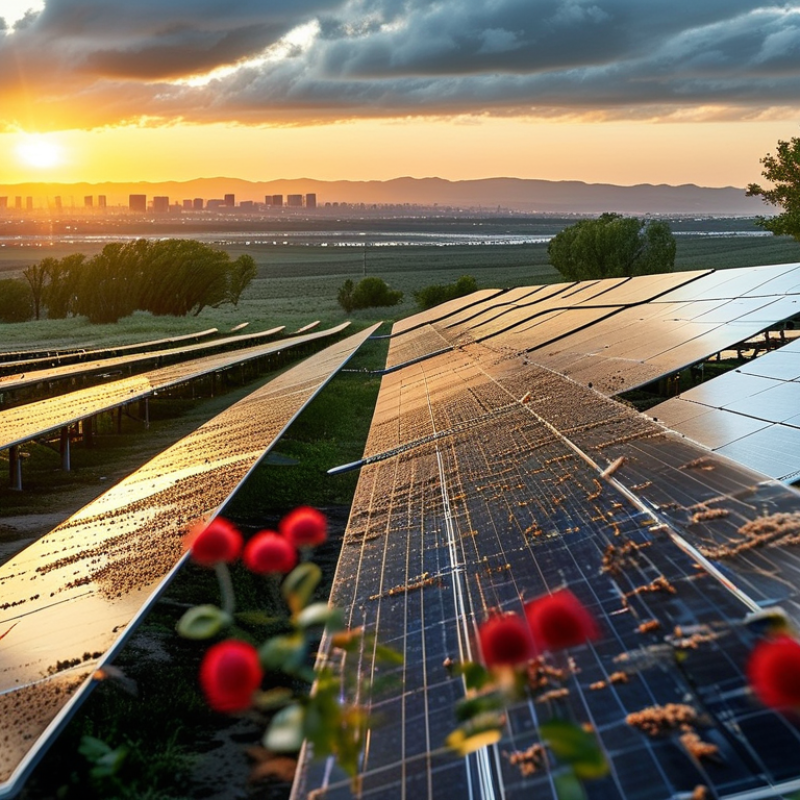
The efficiency of solar panels is significantly influenced by their cleanliness. Dust, dirt, and debris can accumulate on their surface, blocking sunlight and reducing energy output. According to a report by the National Renewable Energy Laboratory, dirty panels can lose 20% to 25% of their efficiency. This emphasizes the need for regular cleaning.
Several factors dictate how often solar panels should be cleaned. Geographic location is crucial. For instance, areas with frequent dust storms or heavy pollen may require cleaning every month. Conversely, regions with higher rainfall, like the Pacific Northwest, might only need maintenance biannually. Additionally, the slope and orientation of the panels can affect dirt accumulation. Flat or less inclined panels tend to gather debris more quickly.
Seasonal changes also play a role. In summer, pollen and dust are common, while winter snow can leave panels dirty after melting. According to a study by the Solar Energy Industries Association, regular cleaning can enhance energy production by 15% to 20%. However, homeowners must weigh the costs of cleaning against potential energy savings, leading to the need for careful evaluation.
In different climates, solar panel cleaning frequency varies significantly. In arid areas, dust accumulates quickly. Panels may need cleaning every month to maintain optimal efficiency. Rainfall is infrequent, which means dirt can linger and block sunlight. In these regions, neglecting regular maintenance can lead to energy loss.
For humid or rainy climates, biannual cleaning may suffice. Rain helps wash away dirt and debris. However, mold and mildew can develop. Regular inspections are crucial in these areas to spot any growth early. If panels are shaded by trees, more frequent cleanings may be necessary to prevent blockages.
In snowy regions, panels often self-clean during melting. However, ice and snow buildup can degrade efficiency. Inspecting the panels after major storms ensures functionality. Always consider local conditions and make adjustments as needed. Effective solar panel maintenance is vital for maximizing energy output.
When it comes to solar panels, keeping them clean is crucial for optimal performance. Over time, dust, leaves, and bird droppings accumulate on the surface. These can significantly reduce efficiency, leading to lower energy output. Signs that your solar panels need a good cleaning include visible dirt buildup and a noticeable decrease in energy production.
Tips for maintaining your solar panels include regular inspections. Check them every few months, especially after storms or heavy winds. If you notice a change in performance, take action. Additionally, consider the location of your panels. Areas with heavy pollen or dust may require more frequent cleaning.
It's essential to be cautious when cleaning. Use soft brushes or a gentle hose spray to avoid scratching the panels. Avoid using harsh chemicals; they can damage the surface. By keeping these points in mind, you can ensure your solar panels operate efficiently for years to come.
| Cleaning Frequency | Signs They Need Cleaning | Recommended Cleaning Method |
|---|---|---|
| Every 6 months | Visible dirt or dust accumulation | Soft brush with water |
| Once a year | Decreased energy output | Professional cleaning service |
| After heavy rain | Puddles or residue on panels | Hose with nozzle, mild soap if needed |
| Monthly (in dusty areas) | Dust storms or pollen season | Rinse with water, avoid abrasives |
Cleaning solar panels is essential for maintaining optimal efficiency. Dust, dirt, and debris can hinder their performance. Regular cleaning helps ensure they generate maximum energy. But how do you clean them safely?
Using soft brushes or sponges is a good practice. Avoid abrasive materials that could scratch the surface. A mild soap solution works well for stubborn stains. Ensure you rinse thoroughly to prevent residue buildup. Be mindful of safety. Use a stable ladder and wear non-slip shoes. If possible, consider hiring professionals for more complex jobs.
Timing is crucial. Cleaning should be done early in the morning or late in the afternoon. This prevents water from evaporating quickly and leaving spots. Regular checks, even if not a full cleaning, can help you spot potential issues. Watching for bird droppings or pollen buildup can save time in the long run. While keeping panels clean is vital, be aware of over-cleaning. It can lead to unnecessary wear and tear, which diminishes their lifespan.
Regular cleaning of solar panels is essential for maintaining their efficiency. Based on current recommendations, the majority of experts suggest cleaning solar panels monthly to optimize their performance, while a smaller percentage advocate for cleaning every 3 months, every 6 months, or annually.
Dust and debris can significantly affect the efficiency of solar panels. Studies indicate that soiling can reduce energy output by 20% to 30%. A layer of dirt may not seem significant, yet it creates a barrier between sunlight and the solar cells. This barrier diminishes the panels' ability to generate electricity. Regular cleaning is essential to maintain optimal performance.
Environmental factors also play a role. In arid regions, dust accumulation is more pronounced. Data from the National Renewable Energy Laboratory shows that panels in such areas may lose up to 50% of their efficiency. Rainfall can help, but it is not a reliable cleaning method. Even occasional storms can leave residue that impacts solar output.
Many owners overlook the need for routine maintenance. Cleaning schedules can vary. Some experts recommend inspecting panels every few months, especially in dusty environments. Others suggest a bi-annual cleaning for less affected areas. However, market reports reveal that only 30% of solar panel owners follow through on these recommendations. This lack of awareness can ultimately lead to reduced investment returns.
: Cleaning solar panels is vital for maintaining their efficiency. Dirt can block sunlight and reduce energy output significantly.
Cleaning frequency depends on location. Dusty areas may need monthly cleaning, while rainy regions might require biannual maintenance.
Look for visible dirt buildup and a drop in energy production. If performance declines, it’s time to clean them.
Yes, using hard brushes or harsh chemicals can scratch or damage the panels. Always opt for soft brushes and gentle sprays.
Dust and debris from the environment can accumulate quickly. Arid regions may see up to 50% efficiency loss without proper cleaning.
Weigh the costs of cleaning against potential energy savings. Evaluate how cleaning can impact overall investment returns.
Rain can help, but it doesn’t always clean panels effectively. Sometimes, it leaves behind residue that affects performance.
Regularly inspect your panels every few months. Check after storms or high winds to catch any potential issues early.
Many do not. Reports show only 30% of owners keep to suggested cleaning schedules, risking reduced efficiency.
Dirty solar panels can lose 20% to 30% of energy output, affecting overall electricity generation and investment returns.
When considering how often should solar panels be cleaned, several factors come into play, including the local climate, environmental conditions, and the presence of dust or debris. In more arid regions or areas with high levels of pollution, solar panels may require more frequent cleaning to maintain optimal efficiency. A typical recommended cleaning schedule suggests that panels should be cleaned every 6 months in moderate climates, while harsher conditions may necessitate monthly cleanings.
Signs that your solar panels need cleaning include a noticeable drop in energy production and visible dirt accumulation on the surface. Following best practices for safely cleaning solar panels is crucial to avoid damage; this includes using appropriate materials and techniques. Regular maintenance is essential, as the impact of dust and debris can significantly reduce the efficiency of solar panels over time. By adhering to these guidelines, homeowners can ensure their solar systems operate at peak performance.

Halkirk Solar