How to Maintain Solar Panels Properly for Optimal Performance?

Time:2026-08-06 Author:Isabella
0%

Maintaining solar panels properly is crucial for their longevity and efficiency. Solar energy systems can significantly reduce energy bills and decrease carbon footprints. However, without proper care, their performance may decline.

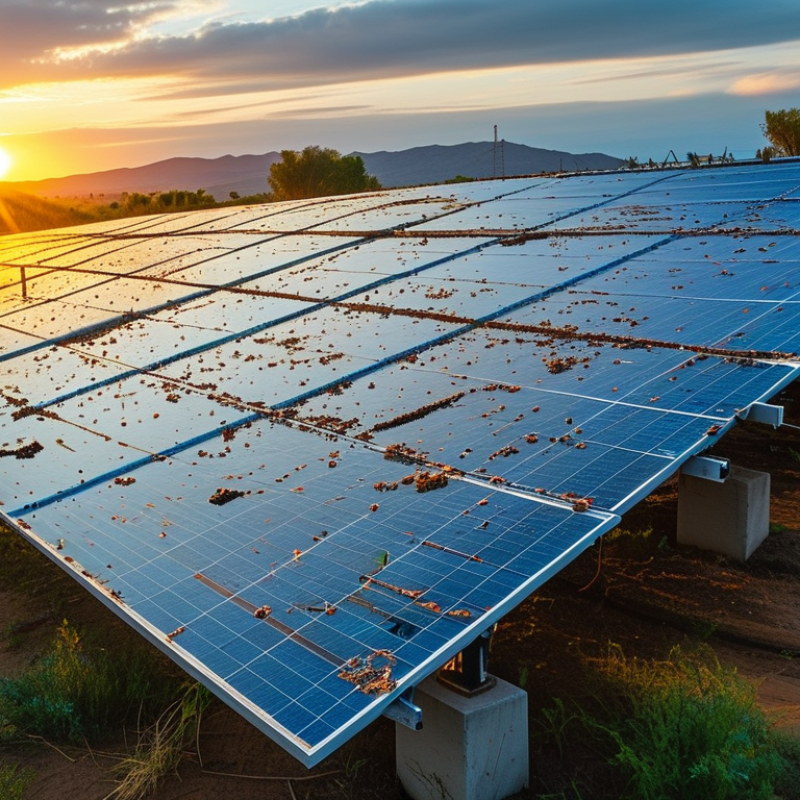
Regular maintenance ensures that solar panels operate at optimal levels. Dust, debris, and bird droppings can block sunlight and reduce energy production. It is essential to know when and how to clean solar panels. Finding the right tools and techniques can make a difference.

Though solar panels are designed to withstand weather conditions, they are not entirely self-sufficient. Over time, wear and tear can occur. Monitoring their performance through regular inspections is important. Recognizing early signs of damage can save time and money in the long run. Understanding how to maintain solar panels properly can enhance their effectiveness and extend their lifespan.
How to Maintain Solar Panels Properly for Optimal Performance?

Understanding How Solar Panels Work and Their Components

Solar panels harness sunlight to generate electricity. They consist of photovoltaic (PV) cells, an inverter, and a mounting system. PV cells convert sunlight directly into electricity. This process relies on semiconductors within the cells. Understanding these components is key to maintaining solar panels effectively.

The inverter plays a crucial role. It converts the direct current (DC) from the PV cells to alternating current (AC), which powers homes and businesses. If the inverter malfunctions, the entire system may fail. Regularly checking its performance is essential. The mounting system secures the panels in place. This system must be sturdy to withstand wind and weather conditions.

Despite their durability, solar panels require care. They should be cleaned to remove dust and debris, which can block sunlight. Also, you should inspect them for any physical damage. Neglecting maintenance can lead to decreased efficiency. Observing the performance and taking action when needed helps ensure optimal function.

How to Maintain Solar Panels Properly for Optimal Performance?

Maintenance Task Frequency Description Importance
Cleaning Every 6 months Remove dirt, dust, and debris to maximize sunlight exposure. High
Inspection Annually Check for any physical damage or wear, and assess general condition. High
Electrical Check Every 2 years Test inverter performance and electrical connections. Medium
Tree Trimming As needed Ensure no trees or plants obstruct the panels. Medium
Snow Removal After snowfall Clear snow accumulation to ensure energy production. High

Regular Inspection: Identifying Common Issues in Solar Panels

Regular inspections are crucial for maintaining solar panels' efficiency. Over time, dirt, debris, and even bird droppings can accumulate on the surface. These obstructions reduce sunlight absorption. A thorough visual inspection every few months can help identify these issues early. Pay attention to shaded areas that can impact performance.

Checking for physical damage is equally important. Look for cracked panels or loose wiring. Such damage can lead to significant performance drops. It's also wise to monitor for any unusual sounds like buzzing or clicking. These can indicate underlying problems needing professional attention.

Don't overlook the inverter. Regularly checking its performance can help ensure your system runs efficiently. If the display shows errors, it's a sign that something is off. Addressing these small issues promptly can prevent costly repairs later. In many cases, simple observations can make a big difference in your solar panel's longevity.

Cleaning Techniques: Best Practices for Panel Maintenance

Keeping solar panels clean is essential for optimal energy production. Dust, debris, and bird droppings can hinder a panel’s performance. Research shows that dirty panels can reduce efficiency by up to 25%, illustrating the importance of regular maintenance. A simple cleaning can significantly improve energy output, ensuring you maximize your investment in solar technology.

When it comes to cleaning, specific techniques are effective. Use a soft, non-abrasive sponge or cloth and plenty of distilled water. Avoid harsh chemicals; they can harm the panel's surface. Studies suggest that cleaning once or twice a year is sufficient for most regions. However, areas with high dust or pollen may require more frequent attention.

One common oversight is the use of excessive water pressure. This practice can damage the panel’s protective coating. Instead, a gentle rinse followed by a wipe can do wonders. Remember, while maintaining panels is straightforward, it requires diligence and care. Even minor neglect can lead to reduced efficiency over time. Engaging with local professionals for guidance can also provide valuable insights into maintenance needs specific to your environment.

Monitoring Performance: Tracking Efficiency and Output

Monitoring the performance of solar panels is crucial for maximizing their efficiency and output. Research indicates that properly maintained solar panels can convert sunlight into energy with an efficiency of up to 20%-23%. Regular performance tracking is essential to ensure that these systems operate at peak capacity. Routine inspections can help identify dirt, debris, or potential wear that may hinder energy production.

Using monitoring tools, homeowners can track real-time data on energy output. Some studies suggest that solar panels can lose approximately 10%-25% of their efficiency due to dust and grime accumulation. Regular cleaning, combined with performance tracking, can mitigate these losses. Noticing discrepancies in expected versus actual output can signal potential issues, urging timely maintenance.

Despite advancements in solar technology, not all systems operate flawlessly. Anomalies in performance metrics might reflect installation errors or equipment defects. Thus, analysis of collected data is vital. Engaging with experienced technicians for deeper evaluations can offer insights that DIY approaches might miss. Regular performance monitoring ultimately aids in ensuring longevity and optimal performance of the solar panels.

Professional Services: When to Seek Expert Help for Maintenance

Proper maintenance of solar panels is essential for their longevity and performance. While DIY upkeep could suffice for minor tasks, some situations call for professional expertise. Knowing when to seek help can save you time and prevent costly mistakes in the long run.

One clear sign that it's time to consult a professional is the presence of significant dirt or debris on your panels. While light cleaning can be done with a hose, stubborn stains may require specialized tools and solutions. An expert will ensure that the panels are treated correctly, reducing the risk of damage.

Regular inspections can catch potential issues early. If you notice a decrease in energy output, don’t hesitate to call a technician. Unusual sounds, flickering indicators, or malfunctioning inverters are also telltale signs that professional evaluation is necessary.

Here are some tips to consider. Maintain a schedule for routine cleaning. Watch for any visible wear or damage. Keep an eye on the weather; hail and severe storms can impact panel integrity. Document any performance drops and consult experts if problems persist.

FAQS

: What are the main components of solar panels?

: Solar panels primarily consist of photovoltaic (PV) cells, an inverter, and a mounting system.

How do PV cells generate electricity?

PV cells convert sunlight directly into electricity using semiconductors.

Why is the inverter important?

The inverter converts direct current (DC) from PV cells into alternating current (AC) for power use.

What maintenance do solar panels require?

Regular cleaning and inspection for damage are essential to maintain efficiency.

When should I seek professional help?

Call an expert if there's significant debris, performance drops, or unusual sounds from the system.

How often should I inspect my solar panels?

It's recommended to perform a visual inspection every few months to identify any accumulating issues.

What signs indicate my inverter may be malfunctioning?

Error messages on the display or unusual sounds can signal problems needing attention.

Can neglecting maintenance affect solar panel performance?

Yes, ignoring maintenance can lead to decreased efficiency and more costly repairs later.

How can I clean my solar panels effectively?

Light cleaning can be done with water, but tough stains may need special tools from a professional.

What environmental factors impact solar panel durability?

Severe weather conditions, like hailstorms, can affect the structural integrity of solar panels significantly.

Conclusion

To ensure optimal performance of solar panels, it is essential to understand how to maintain solar panels properly. This involves recognizing the fundamental components of solar panels and how they function. Regular inspections are crucial to identify common issues such as dirt buildup or physical damage that may affect efficiency. Implementing effective cleaning techniques, like using non-abrasive materials and avoiding harsh chemicals, helps maintain panel integrity.

Additionally, monitoring performance through tracking energy output and efficiency is vital in assessing the system's health. If persistent issues arise or if maintenance tasks become overwhelming, seeking professional services can provide expert insights and solutions to keep your solar panels running efficiently. By following these guidelines, you can significantly enhance the longevity and efficacy of your solar panel system.

Isabella

Isabella

Isabella is a dedicated marketing professional with a sharp focus on driving brand growth and engagement through strategic content creation. With an extensive background in digital marketing, she combines her passion for storytelling with her keen understanding of industry trends to deliver......