A solar energy system rarely reaches a single, dramatic “last day.” Its panels usually produce less electricity gradually, while inverters, batteries, and wiring may need attention sooner. So, what is the lifespan of a solar energy system? The practical answer depends on its components, installation quality, climate, and maintenance—not just the panel warranty.
In a published review, NREL researchers Dirk Jordan and Sarah Kurtz reported: “The median of all reported degradation rates is 0.5%/year.” That finding describes a broad collection of reported systems; it is not a promise about every roof. A panel under a mild coastal sky may age differently from one facing intense heat, heavy snow, or frequent shade. A 25-year performance warranty also does not mean the system suddenly stops working after year 25. It means the details deserve a closer look.
The seven tips ahead explain how to assess a system’s likely service life, spot wear, and protect long-term output. They cover equipment selection, installation, cleaning, monitoring, and planning for component replacement. A tiny crack or a sudden dip in production can be easy to miss. Check the data. Still, maintenance cannot reverse every flaw, and estimates can look more certain than real-world conditions allow. Treat the lifespan as a useful range, not a guarantee, and use your installer’s documentation and performance records to judge your own system.
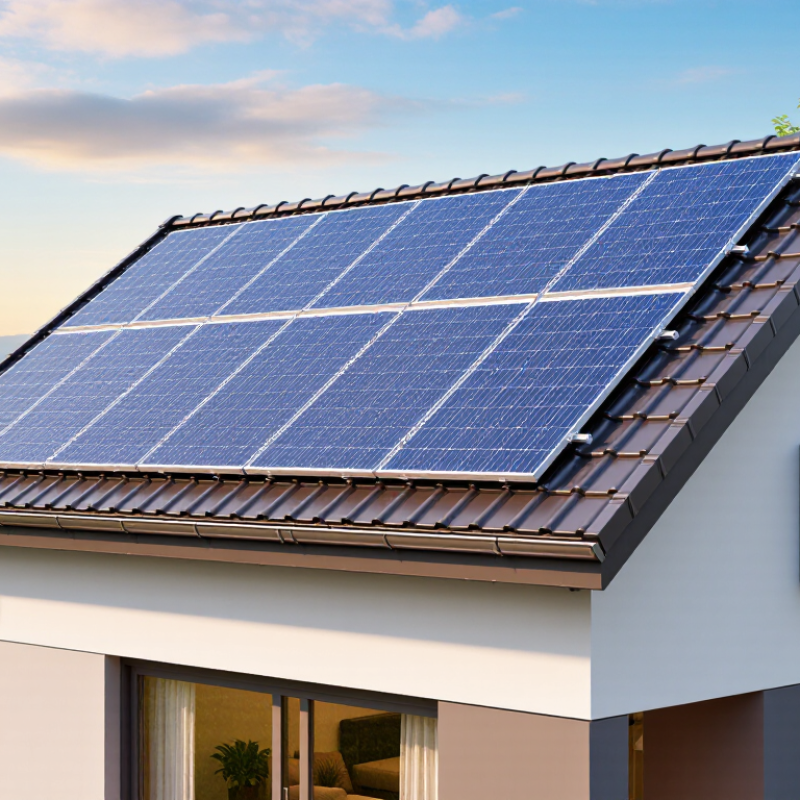
Solar systems can produce electricity for decades, but lifespan is not a single panel number. NREL reports median photovoltaic degradation near 0.5% annually. At that rate, a 10-kilowatt array might retain roughly 88% of its initial capacity after 25 years, before other losses. This is an estimate, not a guarantee. Panel aging is gradual.
Tips: Save yearly production records. Compare similar months and account for weather, shade, and seasonal changes. Look for cracked glass, loose wiring, or persistent drops in output. A dusty panel alone may not explain a large decline.
A lower energy bill is not a reliable health test; household use changes too. Check the system’s monitoring data and compare actual output with its original baseline. If output falls sharply, have a qualified technician inspect the panels, wiring, and inverter. The inverter may need attention before the panels do. Small differences are normal, and I would not treat one cloudy month as proof of failure. Regular checks make the trend clearer.
NREL reports median photovoltaic degradation near 0.5% per year. At that rate, this illustrative compound-degradation estimate shows about 82% of initial output remaining after 40 years. Actual performance varies with equipment, climate, installation, and maintenance.
A 25- or 30-year module warranty can sound reassuring, but the output curve matters more than the headline term. Check the guaranteed power level at the final year and how quickly the allowed decline changes. NREL’s 2016 analytical review of photovoltaic field studies reported a median degradation rate of about 0.5% per year. Under a simple, steady-degradation estimate, a module would retain roughly 88% of its initial output after 25 years. Actual results vary with heat, moisture, installation, and maintenance.
Read the curve.
Compare the warranty’s starting measurement, annual degradation allowance, and final-year threshold. Some guarantees use a steeper decline early on, then a lower annual allowance; two warranties with the same end date may therefore promise different output along the way. Check what evidence a claim requires, such as dated production records or independent testing. Also ask whether labor, removal, and shipping are covered, since a replacement module alone may not cover the repair.
Details matter. It is tempting to choose the longest warranty and stop there, but that shortcut can mislead. A clear performance schedule and workable claim process are more useful than an impressive number of years.
Solar panels often continue producing electricity for 25 years or longer, but the inverter may need attention much sooner. Many residential inverters last about 10–15 years. That is a planning range, not a promise: heat, ventilation, workload, and equipment type can all affect service life.
Watch the system’s monitoring display for repeated fault messages or an unexpected drop in output. Compare readings across similar weather, rather than judging from one cloudy afternoon. A warning does not always mean the inverter has failed; wiring or communication issues can also affect readings. Still, investigate persistent changes.
Plan ahead. Check the warranty end date, keep installation and repair records, and ask a qualified solar professional what replacement options fit your system. A replacement may involve more than swapping a box: compatibility, wiring, and labor can affect the quote. I would not wait for a total shutdown if the unit is nearing its expected service period. Yet replacing it too early can waste useful equipment. There is no perfect calendar date. A small repair fund can make the decision less stressful when the time comes.
| Tip | Component or Check | Typical Timeframe | What to Plan For |
|---|---|---|---|
| 1. Budget for inverter replacement | String inverter | About 10–15 years is a common planning range | Many systems may need an inverter replacement before their solar panels do. Check the warranty, installation date, and replacement cost when estimating long-term ownership expenses. |
| 2. Check the inverter type and warranty | Microinverters and power electronics | Varies by model; some warranties extend to 20–25 years | A longer warranty does not guarantee a particular service life. Confirm what is covered, including parts, labor, shipping, and replacement terms. |
| 3. Keep panel life in perspective | Solar panels | Often designed to produce electricity for 25 years or more | Panels usually lose output gradually rather than stopping suddenly. Review the product and performance warranties, and compare actual production with expected output. |
| 4. Track system performance | Energy production and alerts | Review monthly; investigate sudden changes promptly | Compare production with similar seasons and account for weather, shading, and outages. A sudden drop or repeated inverter alert may indicate a fault that needs professional diagnosis. |
| 5. Inspect the system periodically | Wiring, mounting, ventilation, and visible equipment | At least annually, and after severe weather when safe | Look for loose or damaged wiring, water intrusion, corrosion, unusual noise, or blocked inverter ventilation. Do not open electrical equipment; arrange a qualified inspection for concerns. |
| 6. Keep panels clear when needed | Panel surfaces and nearby shading | As needed, based on local conditions and production | Dust, leaves, snow, or new shading can affect output. Follow the installer’s cleaning guidance; avoid abrasive tools and do not climb onto the roof to clean panels. |
| 7. Prepare for replacement before failure | Inverter records and replacement planning | Start reviewing options as the inverter approaches 10 years | Keep installation details, warranty documents, and maintenance records. Ask a qualified solar professional about compatibility, current electrical requirements, labor, and expected downtime. |
Note: Service-life figures are general estimates, not guarantees. Consult the equipment documentation and a qualified solar professional for system-specific advice.
Battery aging is usually measured by remaining capacity, not by whether a unit still turns on. Common rated lifespans span 5–15 years, but heat, charge cycles, and depth of discharge change the outcome. NREL’s 2024 Annual Technology Baseline uses a 15-year life assumption for battery-storage systems. That is a planning model, not a promise for every home. A battery in a hot garage, cycling hard each evening, may age differently from one kept cool and used lightly. The estimate is useful, but a little blunt.
Tips: Check the warranty’s capacity-retention threshold and throughput limit, not just its end date. Review monitoring data every few months; a steady drop in usable kilowatt-hours can reveal aging early. Keep the battery within its stated temperature range, and avoid placing it beside a sunlit window. Small details matter.
NREL research on lithium-ion battery performance shows that operating temperature and cycling conditions affect degradation. Ask an installer how those assumptions fit your household’s actual daily use. Compare the battery’s measured capacity with its original usable capacity each year. One awkward point: a system can still operate after its useful storage has fallen noticeably. Plan for replacement costs before the lights dim.
A solar system can keep producing power for decades, but small performance losses are easy to miss. The U.S. Department of Energy says solar panels commonly last 25 years or longer. NREL’s review of photovoltaic studies found a median degradation rate of about 0.5% per year. That gradual decline is expected; a sudden drop deserves attention.
Check the monitoring app monthly, not just when a bill looks unusual. Compare this month’s production with the same season last year, since winter sunlight and cloudy weeks can distort quick comparisons. Small clues matter. A string of low-output days may point to new shade, debris, a tripped breaker, or an inverter issue. Record the date, weather, and any changes near the panels. The record can help a qualified technician find patterns faster.
From the ground, look for obvious damage, loose cables, or branches casting new shadows. Keep vents and equipment clear, and follow the system maker’s cleaning guidance; rooftop work can be hazardous. Monitoring is not a diagnosis. If output stays unusually low after weather and shading are considered, arrange a professional inspection. It is tempting to clean panels every season, but unnecessary washing can waste water or cause damage. Check the data first. NREL’s degradation figure describes fleet-wide trends, not a promise for every home.
Median degradation is about 0.5% per year. The decline is gradual, though individual systems vary.
It might retain roughly 88% of its initial capacity, before other losses. This is an estimate, not a promise.
Save yearly production records and compare similar months. Note weather, shade, and seasonal changes. One cloudy month proves little.
Look for new shade, debris, a tripped breaker, or visible damage. A persistent drop needs a qualified technician’s inspection.
Common rated lifespans range from 5 to 15 years. Heat, cycling, and depth of discharge affect actual life. Estimates are blunt.
Review monitoring data every few months. Compare usable capacity with its original level, and check the warranty’s capacity threshold and throughput limit.
Yes. It may still operate while storing noticeably less energy. Plan for replacement costs before that becomes a problem.
Not necessarily. Check monitoring data first, and follow the system’s cleaning guidance. Rooftop work can be hazardous, and unnecessary washing may cause damage.
What is the lifespan of a solar energy system? It depends on how its main components age and how well the system is cared for. Solar panels generally lose a small amount of output over time; a median degradation rate near 0.5% per year is a useful benchmark. Many modules come with performance guarantees spanning 25 to 30 years, though a guarantee describes promised output under stated terms rather than a fixed end date for the panels.
Other components may need attention sooner. Inverters commonly last about 10 to 15 years, while batteries often have rated lifespans of roughly 5 to 15 years, depending on use and conditions. Regularly checking system monitoring data can help reveal changes in output, and routine maintenance can address issues before they affect performance for long. Planning for possible inverter or battery replacement, while keeping panels clean and inspections up to date, helps homeowners set realistic expectations for long-term system operation.

Halkirk Solar