What Factors Affect Solar Panel Efficiency and Performance?

Time:2026-07-27 Author:Oliver
0%

Solar energy is becoming increasingly vital in our quest for sustainable energy solutions. The efficiency of solar panels is crucial for maximizing energy output. Understanding what factors affect solar panel efficiency is necessary for researchers and consumers alike. Industry expert Dr. Lisa Thompson notes, “Temperature, angle, and material all play a role in a panel's ability to convert sunlight into energy.” This statement embodies the complexity of solar technology.

Several elements influence solar panel performance. Temperature extremes can deteriorate efficiency, with most panels operating best around 25°C (77°F). Dust and debris accumulation can reduce energy output significantly. Furthermore, the angle of installation affects sunlight capture, impacting overall performance. Recent studies reveal that panels installed at optimal angles can increase efficiency by up to 20%. These insights emphasize the need for tailored approaches to solar panel deployment.

Yet, despite advancements, challenges remain. Even minor inefficiencies can lead to substantial energy losses over time. As the demand for solar energy rises, it is critical to address these factors and make informed decisions. A deeper understanding of what factors affect solar panel efficiency will empower users to maximize their investments in renewable energy.
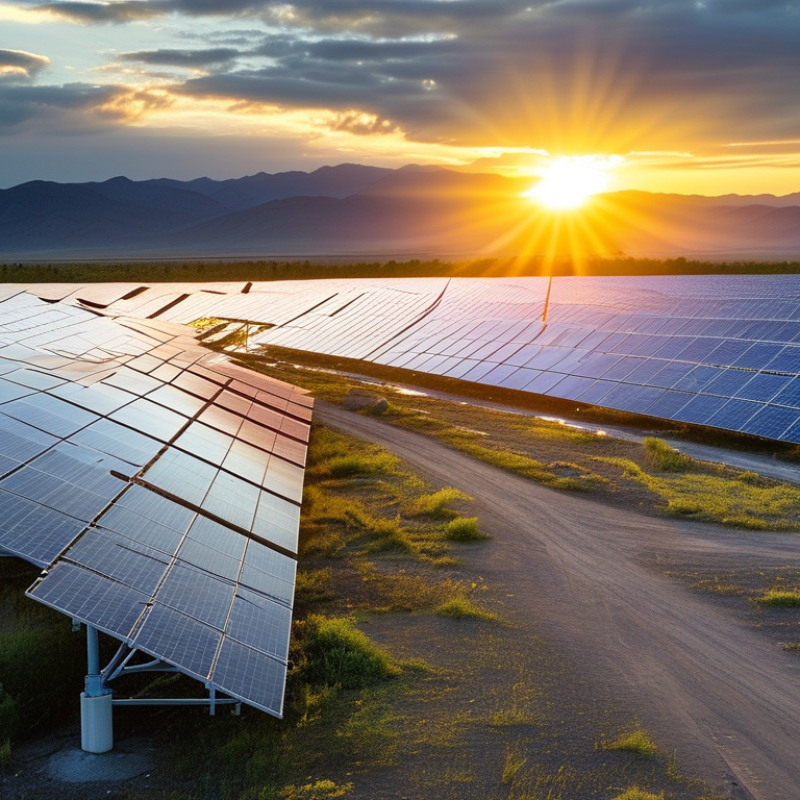
What Factors Affect Solar Panel Efficiency and Performance?

Factors Influencing Solar Panel Efficiency: An Overview

Solar panel efficiency is influenced by various factors, which can impact energy production. One key factor is the angle of installation. Panels tilted towards the sun typically gather more sunlight. However, incorrect angles can lead to significant losses. Environmental conditions also matter. Dust and dirt accumulation on panels can hinder performance. Regular cleaning is necessary but often overlooked.

Temperature plays a crucial role too. Solar panels function best in moderate temperatures. High heat can reduce their output. This counterintuitive aspect often surprises users. Another factor is shading; even partial shading can drastically reduce efficiency. Trees, buildings, and other obstructions should be considered during installation.

Finally, the quality of materials used in the solar cells affects performance. Higher-quality cells usually convert sunlight more effectively. Yet, the trade-off between cost and quality remains a challenge for many. The ongoing development in solar technology might address these issues, but challenges persist. Regular maintenance and strategic installation can optimize performance, yet not all users are aware of these requirements.

Material Composition and Its Impact on Performance

The efficiency of solar panels greatly hinges on their material composition. This choice impacts their ability to convert sunlight into electricity effectively. Different materials, like monocrystalline and polycrystalline silicon, offer varying performance levels. Monocrystalline panels typically provide higher efficiency due to their pure silicon structure. However, they are often more costly and may deter some buyers.

A transparent layer protects the solar cells, and its composition can also affect performance. For instance, using higher-quality glass can enhance light transmission and durability. Yet, heavier and thicker materials might reduce overall panel efficiency. This highlights the delicate balance in design. Choosing the right materials can be challenging, as it often requires weighing cost against efficiency needs.

Furthermore, the environmental impact of materials should be considered. Some materials can be resource-intensive to produce. This raises questions about sustainability. Choosing the most efficient and appropriate materials for solar panels is complex. There is no one-size-fits-all solution. Each project must consider specific needs. This reflection on material choices is critical for advancing solar technology responsibly.

What Factors Affect Solar Panel Efficiency and Performance? - Material Composition and Its Impact on Performance

Material Type Efficiency (%) Temperature Coefficient (%/°C) Lifespan (Years) Cost ($/Watt)
Monocrystalline Silicon 15 - 22 -0.3 25 0.70 - 0.90
Polycrystalline Silicon 13 - 16 -0.4 25 0.50 - 0.70
Thin-Film (CdTe) 11 - 13 -0.2 20 0.40 - 0.60
Bifacial Modules 15 - 25 -0.3 30 0.80 - 1.00
Perovskite Solar Cells 15 - 25 -0.5 10 0.30 - 0.50

Environmental Conditions Affecting Solar Panel Output

Environmental conditions significantly influence the output of solar panels. Studies show that temperature, sunlight, and shade affect performance. For instance, solar panels typically operate at optimal efficiency around 25 degrees Celsius. As temperatures rise beyond this threshold, efficiency declines. According to the National Renewable Energy Laboratory, module efficiency can drop by approximately 0.5% for every degree above 25°C. This temperature sensitivity highlights the need for proper site selection.

Sunlight intensity is another critical factor. Solar panels require direct sunlight for maximum output. Areas with frequent cloud cover or pollution may see a significant reduction in energy production. Data from the U.S. Department of Energy indicates that shaded panels can lose upwards of 20-30% of their potential energy generation. Even nearby trees or buildings can impact performance. Maintaining an unobstructed area around solar panels is essential for maximizing their efficiency.

Additionally, geographical location plays a role in solar energy harnessing. Regions with higher solar irradiance consistently produce more energy. The Global Solar Atlas provides insights, showing that areas near the equator have the highest potential. However, local factors like weather patterns can create variability. Adapting installation strategies based on these factors is crucial. Addressing these environmental challenges can lead to better performance and a sustainable solar energy future.

Installation Angle and Orientation: Maximizing Sunlight Exposure

The installation angle and orientation of solar panels are crucial for optimizing their efficiency. Ideally, solar panels should face true south in the northern hemisphere and true north in the southern hemisphere. This positioning allows for maximum sunlight exposure throughout the day. A tilt angle between 30 to 45 degrees is often recommended, depending on geographic location. However, local weather patterns and seasonal changes can affect this ideal setup.

Adjusting the angle seasonally can further enhance energy capture. In winter, a steeper angle can help panels collect sunlight, while a shallower angle may be better in summer. Unfortunately, not all installations allow for easy adjustments. Some properties have fixed roofs that cannot be modified easily, and this limitation can lead to suboptimal performance.

Monitoring panel performance throughout the year is essential. Real-time data can reveal issues that may arise from poor installation angle or orientation. If a solar panel system isn’t producing as expected, reconsidering its angle could be a simple, yet effective solution. It reflects both the evolving nature of solar technology and the need for ongoing reflection on efficiency in various installations.

Maintenance and Upkeep: Ensuring Optimal Efficiency

Maintaining solar panels is crucial for ensuring their efficiency and performance. Regular upkeep can significantly enhance energy production. Dust, leaves, and other debris can obscure the panels. This blockage reduces sunlight absorption and impacts overall functionality. Even small amounts of dirt can lower output by 20% or more.

Tips: Clean your solar panels with gentle tools. Avoid harsh chemicals. A simple garden hose can do the trick most of the time. For best results, inspect them every few months, especially after storms or heavy pollen seasons.

Monitor the inverter and system performance: If you notice a significant drop in energy output, it might indicate a problem. Check for any shading from nearby trees or structures. This could affect efficiency. Don't hesitate to seek professional help for any repairs or system tuning. It's essential to keep your solar investment in top condition. Without proper care, you may not achieve the expected returns.

FAQS

: What affects solar panel efficiency?

: Several factors influence solar panel efficiency. Key aspects include installation angle, environmental conditions, and temperature.

How does the angle of installation impact performance?

When panels tilt towards the sun, they gather more sunlight. Incorrect angles can lead to large energy losses.

Why is environmental cleaning important for solar panels?

Dust and dirt block sunlight absorption. Regular cleaning can prevent more than a 20% decrease in energy output.

What temperature is best for solar panels?

Solar panels operate best in moderate temperatures. High heat can unexpectedly reduce their output.

How does shading affect solar panel performance?

Even partial shading can significantly decrease efficiency. Nearby trees and buildings should be considered during setup.

What materials impact solar panel quality?

Higher-quality solar cells convert sunlight more effectively. However, balancing cost and quality is often challenging.

How often should solar panels be inspected?

It's good to check solar panels every few months. This is especially important after storms or heavy pollen seasons.

What maintenance is needed for solar panels?

Clean panels with gentle tools, such as a garden hose. Avoid harsh chemicals to prevent damage.

What should I do if energy output drops?

Monitor the inverter and system regularly. If there’s a drop, check for shading or other issues needing professional help.

What happens without regular maintenance?

Lack of care may lead to unexpected losses. You might not achieve the expected returns on your solar investment.

Conclusion

The efficiency and performance of solar panels are influenced by various factors, including material composition, environmental conditions, installation angle, and maintenance practices. Understanding what factors affect solar panel efficiency is crucial for maximizing energy output. Different materials, such as monocrystalline or polycrystalline silicon, significantly impact how effectively panels convert sunlight into electricity. Additionally, environmental conditions like temperature, shading, and weather can either enhance or hinder their performance.

To achieve optimal solar panel efficiency, it is essential to consider the installation angle and orientation, which maximizes sunlight exposure throughout the day. Regular maintenance and upkeep also play a vital role in ensuring that solar panels operate at their best by preventing dirt buildup and addressing any functional issues. By addressing these factors, users can significantly boost the productivity of their solar energy systems.

Oliver

Oliver

Oliver is a seasoned marketing professional with a wealth of expertise in driving brand awareness and engagement. With a deep understanding of our company's product offerings, he consistently delivers high-quality content that enriches our professional blog. His insights not only shed light on......