Do Solar Panels Work in Winter Best Tips and Facts?

Time:2026-08-26 Author:Charlotte
0%

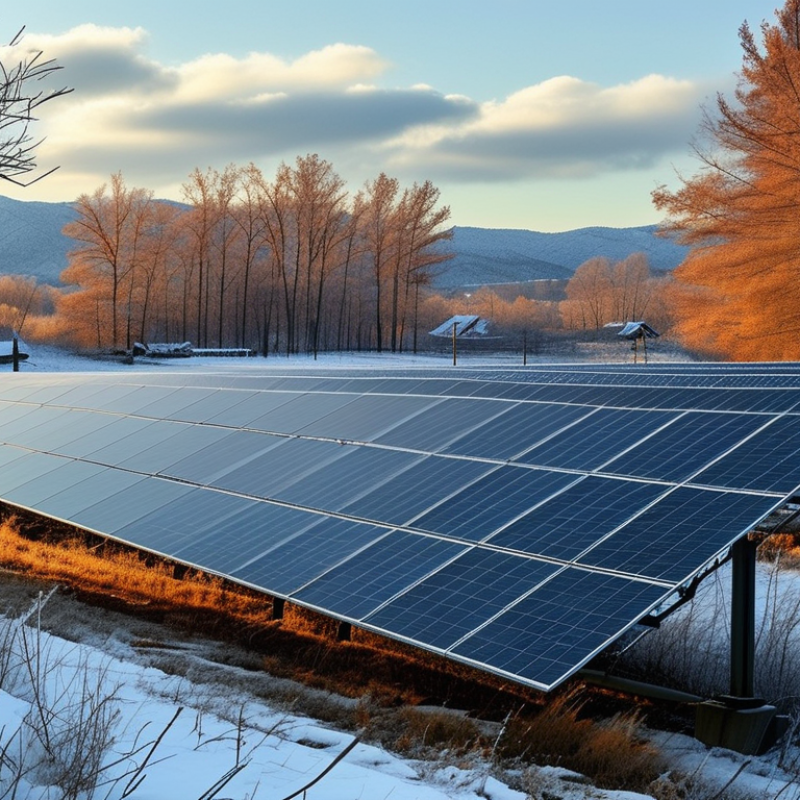
As winter approaches, many homeowners question: "do solar panels work in winter?" A common myth suggests solar energy production halts when temperatures drop. However, the Solar Energy Industries Association reports that solar panels can still generate significant energy, even in colder conditions. In fact, snow can enhance panel efficiency by reflecting light.

Expert Dr. Emily Chen notes, “Solar panels are more efficient in cold weather,” highlighting that lower temperatures improve electrical conductivity. While panels may produce less energy in less sunlight, they still function effectively. Frost and snow can collect on panels, temporarily reducing efficiency. It's essential to clear snow for optimal performance.

Understanding how solar energy works in winter is crucial for informed decisions. Many homeowners may hesitate to invest, fearing lower efficiency. However, with advancements in technology, winter performance of solar panels is more reliable than ever. Nevertheless, ongoing maintenance and awareness of your environment remain important for maximizing energy production during these months.
Do Solar Panels Work in Winter Best Tips and Facts?

Understanding Solar Panel Efficiency in Cold Weather

Understanding solar panel efficiency in cold weather is essential for maximizing energy production during winter months. Contrary to popular belief, solar panels can work efficiently even in cold temperatures. In fact, a study from the National Renewable Energy Laboratory indicates that solar panels can achieve up to 20% more efficiency in colder conditions compared to hot, humid weather. This is due to the reduced resistance in solar cells as temperatures drop.

However, snow and shorter daylight hours can impact performance. When snow covers panels, they cannot generate electricity. To mitigate this, it's important to install panels at an angle. This helps snow slide off more easily. In addition, regular cleaning can ensure debris does not block sunlight.

Using monitoring systems can provide real-time data about energy production. This transparency allows homeowners to track performance despite seasonal changes. Remember that winter days are shorter, so maximize sunlight exposure by positioning panels correctly. It’s vital to reassess your solar setup each season. Adjustments may be required as weather conditions fluctuate.

Impact of Snow and Ice on Solar Panel Performance

Winter can significantly impact solar panel performance, especially when snow and ice accumulate on the panels. According to the National Renewable Energy Laboratory (NREL), solar panels can still generate electricity in cold weather. In fact, their efficiency may increase slightly as temperatures drop. However, this does not negate the challenges posed by snow cover. A thick layer of snow can block sunlight, leading to reduced energy production.

Research indicates that even a slight snowfall can decrease solar output by as much as 80%. When heavy snow arrives, it is crucial to keep the panels clear to maintain efficiency. Most solar panels are designed with a degree of tilt, which allows snow to slide off easily. However, in some cases, snow may stick due to low temperatures or particular panel designs, necessitating manual removal.

Ice formation can pose another challenge. It can create a barrier that prevents sunlight from reaching the solar cells. Additionally, accumulated ice can cause physical damage if it becomes too heavy. It's essential to regularly inspect solar panels during the winter months to address these issues proactively. A routine check can help ensure that energy production remains optimal, even when conditions are less than ideal.

Solar Panel Performance in Winter: Impact of Snow and Ice

This chart illustrates the average efficiency of solar panels during winter months, reflecting the impact of snow and ice compared to clear days. The data shows how performance can vary based on weather conditions.

Tips for Maximizing Solar Energy Production in Winter

Winter presents unique challenges for solar energy production, yet with the right strategies, efficiency can be maximized. Research indicates that solar panels can still generate approximately 80% of their summer output in winter, due mainly to increased sunlight reflection from snow. Positioning panels at a steeper angle can facilitate snow shedding, preventing loss of production from accumulated snow.

Cleaning panels regularly enhances their performance. Dust, dirt, and debris can block sunlight, reducing energy generation. Studies show that unclean panels can lose up to 20% of efficiency. Additionally, ensuring there is no shade from nearby trees or structures is crucial during winter months. Even a small shadow can significantly decrease energy production.

Battery storage is another effective strategy. Storing excess energy generated on sunny winter days can help maintain a steady power supply when days are shorter and cloudier. Some homeowners report an energy production increase of 30% using quality battery systems. By understanding these factors and implementing them, solar energy enthusiasts can effectively harness winter sunlight for optimal energy production.

Do Solar Panels Work in Winter Best Tips and Facts? - Tips for Maximizing Solar Energy Production in Winter

Aspect Details Tips
Solar Panel Efficiency Solar panels can still produce electricity in winter, but efficiency may drop due to colder temperatures and shorter days. Keep panels clean and free of snow for optimal sunlight absorption.
Sunlight Availability Days are shorter, reducing the number of hours for solar energy production. Position panels to maximize exposure to the southern sun.
Temperature Effects Colder temperatures can increase efficiency, but snow cover can block sunlight. Use a snow rake to safely remove snow from panels.
Battery Storage Storing excess energy produced during sunny days can help during overcast days. Invest in a high-quality battery storage system.
System Maintenance Regular maintenance is crucial to ensure systems are operating at peak performance. Schedule professional inspections before winter and after snowfall.

Maintenance Practices for Winterizing Solar Panels

Winter presents unique challenges for solar panel functionality. Cold temperatures can reduce efficiency, but well-maintained systems still perform effectively. According to a report from the National Renewable Energy Laboratory, solar panels can generate around 80% of their rated capacity in winter conditions. Yet, neglecting maintenance can lead to performance losses.

Cleaning the panels is crucial during winter. Snow accumulation can obstruct sunlight, reducing energy harvest. A gentle rinse with water can clear off snow or dirt without causing damage. It's essential, however, to avoid the use of hot water or shovels, as these can crack the panels. Furthermore, regular inspections help identify potential issues, such as loose connections or wiring exposed to harsh weather. A thorough check can prevent more significant problems later on.

Incorporating professional services for winterizing is wise. Experts recommend trimming nearby trees to reduce snow shading. While do-it-yourself maintenance can be effective, understanding safety protocols is vital. Inadequate knowledge could lead to accidents or further panel damage. Overall, being proactive ensures solar panels continue to perform efficiently, even in the cold months.

Comparing Solar Output in Different Winter Climates

Winter presents unique challenges and opportunities for solar panel performance. In colder climates, solar panels can actually operate more efficiently than in warmer conditions. Studies have shown that solar output can decline by about 15% to 25% during winter due to shorter daylight hours and potential snow coverage. Interestingly, areas with consistent snowfall, such as the Northeast US, may see panels clear faster in the sunlight, increasing their efficiency.

Research indicates that solar panels can still generate significant energy even during winter months. For instance, in regions like California, panels often produce up to 70% of their potential output, even in January. Conversely, in severely cold areas, like parts of Canada, output drops considerably less, thanks to reflective snow. This phenomenon highlights the unpredictability of solar energy in different climates.

The installation angle and geographic location also play crucial roles in mitigating winter effects. Flat or south-facing panels are more likely to shed snow naturally and absorb maximum sunlight. Experts emphasize the need for regular maintenance, especially in winter, to ensure optimal performance. Understanding these variables can empower homeowners to harness solar energy effectively, no matter the season.

FAQS

: Can solar panels work in cold weather?

: Yes, solar panels can work well in cold temperatures.

How does cold weather affect solar panel efficiency?

Cold conditions can increase efficiency by up to 20% due to reduced resistance in solar cells.

What impact does snow have on solar panels?

Snow can block sunlight, decreasing solar output significantly, sometimes by up to 80%.

How can I prevent snow from blocking my solar panels?

Install panels at an angle to help snow slide off more easily.

Is it necessary to clean solar panels in winter?

Yes, regular cleaning is important to remove debris that blocks sunlight.

How can monitoring systems help with solar panel performance?

They provide real-time data, allowing homeowners to track energy production despite seasonal changes.

What should I do if ice forms on my solar panels?

Regular inspections are essential to address ice accumulation and prevent damage.

How can I maximize sunlight exposure in winter?

Position panels correctly and reassess your setup as weather conditions change.

Why is it important to inspect solar panels regularly in winter?

It helps ensure optimal energy production, even in less favorable conditions.

Are there any challenges with certain solar panel designs in winter?

Some designs may allow snow to stick, requiring manual removal to maintain efficiency.

Conclusion

In addressing the question "do solar panels work in winter," it's important to understand that solar panel efficiency can actually improve in cold weather conditions. While many people believe that solar energy production diminishes during the winter months, this is not entirely true. Factors such as snow and ice accumulation on panels can temporarily reduce output, but the panels can still generate electricity when exposed to sunlight, even in cold climates.

To maximize solar energy production during winter, homeowners should clear any snow or debris off their panels and ensure regular maintenance to prevent ice buildup. Different winter climates can affect solar output, with sunnier conditions yielding better performance compared to cloudy or overcast days. By following best practices for winterization and maintenance, solar panel owners can optimize their systems and make the most of available sunlight, regardless of the season.

Charlotte

Charlotte

Charlotte is a seasoned marketing professional with a deep understanding of the company's portfolio and a passion for elevating its presence in the market. With a keen eye for detail and a commitment to excellence, she ensures that our professional blog is regularly updated with insightful articles......