How to Choose the Best Solar Panel System for Your Needs?

Time:2026-07-07 Author:Ethan
0%

Choosing the right solar panel system can seem overwhelming. There are many options on the market today. It is crucial to find one that fits your needs and budget. Understanding what to look for is vital.

When exploring how to choose the right solar panel system, consider factors like energy needs, roof type, and local regulations. A system that works well for one home might not be suitable for another. Each household has unique requirements, making personalized research essential.

Be mindful of the installation process and long-term maintenance. Some companies may promise great results but fail to deliver on quality. Always seek reliable reviews and expert advice. Remember, investing in solar energy should provide long-term benefits, not just initial savings. Understanding these factors will lead you to a system that suits you best.
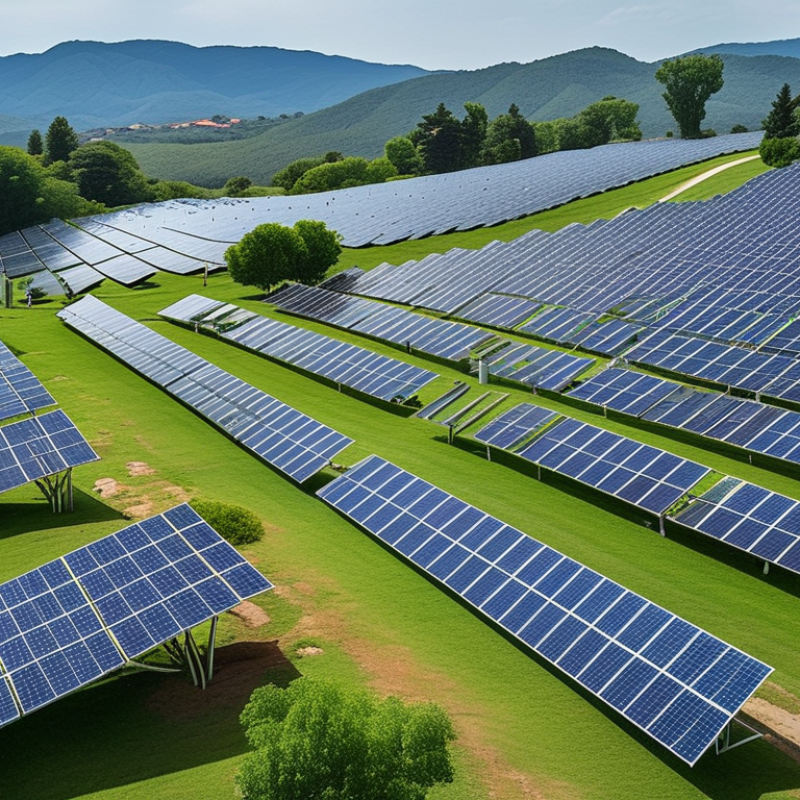
How to Choose the Best Solar Panel System for Your Needs?

Understanding Your Energy Needs and Consumption Patterns

Understanding your energy needs is critical when selecting a solar panel system. Each household has unique consumption patterns that directly influence the size of the system required. Begin by analyzing your electricity bills. Look for peak usage months and the total kilowatt-hours consumed. This data offers insight into your household's energy demands.

Tips: Consider using an energy monitor. These devices provide real-time data on usage. They help identify energy-wasting appliances.

Next, evaluate your lifestyle. Do you work from home? Do you have a pool or air conditioning that spikes energy use in summer? Each detail matters. A system too small will fall short during peak hours. Conversely, an oversized system can lead to unnecessary expenses.

Tips: Use online calculators to estimate your needs. They can give you a quick overview but remember they are estimates, not final solutions.

Reviewing past usage patterns provides a foundation. However, energy consumption can change. Your family might grow, or you may adopt new habits. Be prepared to reassess your requirements regularly. This reflection ensures your solar panel investment remains aligned with your actual needs.

Understanding Energy Needs and Consumption Patterns

This bar chart illustrates an example of the average monthly energy consumption in a typical household based on different factors such as appliances and usage patterns.

Evaluating Different Types of Solar Panel Systems Available

When considering a solar panel system, understanding the types available is crucial. There are several options, each with unique advantages and challenges. Monocrystalline panels are efficient and space-saving, ideal for limited roof areas. However, they tend to be more expensive. Polycrystalline panels are a cost-effective option, but they may require more space to achieve similar energy output.

Thin-film solar panels offer flexibility and lightweight designs. These may be attractive for certain installations. Yet, their efficiency is generally lower, so they may not suit everyone. Evaluating these options involves looking not just at prices, but also at long-term energy production and space constraints.

Make sure to check the warranties and performance guarantees for the systems you consider. Researching local incentives is also important. It's easy to get overwhelmed by choices and technical details. Reflect on your actual energy needs and how much you can invest. A careful evaluation can lead to a suitable solar solution tailored to your lifestyle.

Comparing Costs and Financial Incentives for Solar Installation

When considering solar panel systems, understanding costs and financial incentives is essential. Installation expenses can vary significantly based on location and system type. Typically, residential solar panels range from $15,000 to $25,000. However, multiple factors influence these figures, including panel quality and installation complexity.

Various financial incentives can motivate homeowners to switch to solar energy. Federal tax credits, often up to 26%, greatly reduce overall costs. Some states offer rebates or grants, lowering your initial investment further. Utility companies might also provide incentives, such as net metering, allowing you to sell excess energy back to the grid.

While these incentives are appealing, it's crucial to do thorough research. Not every incentive is available in every area. Local policies regularly change, making it necessary to stay updated. Additionally, consider potential hidden costs like maintenance and repairs. These may challenge the overall savings you expect after installation. An informed decision requires weighing both the benefits and the pitfalls.

Assessing Your Home's Roof Suitability for Solar Panels

Selecting the right solar panel system begins with evaluating your home's roof. A suitable roof can make or break your solar investment. It’s not just about space; it’s also about the angle, orientation, and shading. Ideally, a south-facing roof is best, capturing the most sunlight. If your roof has obstructions like trees or chimneys, these can cause significant issues. Partial shading can reduce the efficiency of your solar panels.

Next, consider the roof material. Different materials have varying lifespans and durability. A flat roof may require mounting systems, affecting the installation process. Asphalt shingles are common, but they may only last 20 years. If your roof needs repair or replacement soon, it might not be the best time to install solar panels. Additionally, the pitch of your roof impacts panel performance. Steeper roofs can generate more energy but may complicate installation.

Finally, assess the area around your home. Overhanging branches or nearby buildings can impact sunlight. The weather in your region also matters. Frequent rain or clouds can lower solar efficiency. Be thoughtful about these factors. It is important to take a complete look at all aspects of your roof to truly understand its suitability for solar panels. Each detail can influence your ultimate decision and financial return.

Choosing a Reliable Installer and Understanding Warranty Options

Choosing a reliable installer is crucial for your solar panel system. Look for certifications and positive customer reviews. An experienced installer understands local regulations and offers better guidance for your project. Ask for references from previous clients. This helps you gauge their professionalism and reliability.

Understanding warranty options is equally important. Solar panels generally come with a performance warranty and a product warranty. The product warranty covers defects, typically for about 10-25 years. In contrast, performance warranties assure energy output over time. It often lasts 25 years. Read the fine print carefully. Some warranties may have limitations that affect your coverage.

Consider the installer's warranty policies as well. Some installers offer labor warranties for their work, while others may not. An installer with a strong warranty policy provides peace of mind. Reflect on potential issues that could arise after installation. Choosing an installer with strong support can save you headaches later.

FAQS

: How do I assess if my roof is suitable for solar panels?

: Look at the roof’s angle, orientation, and shading. A south-facing roof is ideal.

Can trees or chimneys affect solar panel efficiency?

Yes, obstructions like trees and chimneys can block sunlight and reduce efficiency.

What roof materials are best for solar panels?

Asphalt shingles are common. However, they last only about 20 years. Choose wisely.

Do I need to worry about my roof's pitch?

Yes, steeper roofs can generate more energy but may complicate installation.

How do surrounding areas impact my solar panel decision?

Nearby buildings or branches can block sunlight, influencing performance significantly.

Why is it important to find a reliable solar installer?

A reliable installer knows local regulations and can guide you better with your project.

What should I know about solar panel warranties?

There are product and performance warranties. Product warranties usually last 10-25 years.

Should I consider the installer's warranty policy?

Yes, a strong warranty provides peace of mind for potential issues after installation.

Why look for customer reviews before choosing an installer?

Previous customer feedback helps gauge professionalism and reliability of the installer.

What details should I reflect on regarding installation challenges?

Think about potential issues with your roof or installation complexities that may arise.

Conclusion

Choosing the right solar panel system requires a comprehensive understanding of your energy needs and consumption patterns. Start by assessing how much energy you use on a daily basis, which will help you determine the size and capacity of the solar system you require. Next, evaluate the different types of solar panel systems available, including variations in technology and efficiency.

Additionally, it’s essential to compare costs and financial incentives associated with solar installation, as these can significantly impact your overall investment. Assessing your home's roof suitability for solar panels is crucial, ensuring that it is structurally sound and has adequate sunlight exposure. Finally, select a reliable installer and familiarize yourself with warranty options to ensure your investment is protected. By following these steps, you will be well-equipped to make an informed decision on how to choose the right solar panel system for your specific needs.

Ethan

Ethan

Ethan is a seasoned marketing professional with a deep expertise in our company's innovative product line. With a passion for sharing knowledge and insights, he takes the lead in regularly updating our corporate blog, where he explores industry trends, product features, and effective marketing......