How to Choose a Reliable Solar Panel Manufacturer

Time:2026-11-11 Author:Sophia
0%

Choosing a solar panel supplier is a long-term decision, not just a price comparison. The manufacturer behind the panels can affect product consistency, warranty support, and the quality of information available years after installation. For homeowners, installers, and project developers, learning how to choose a reliable solar panel manufacturer starts with checking evidence, not trusting confident claims.

Look for clear product specifications, traceable test reports, and relevant certifications that can be verified independently. Ask how the company monitors production quality and handles defects. A warranty matters, but its terms matter more: check coverage periods, exclusions, claim procedures, and who provides service in your region. Request references for projects similar in size and climate to yours. A panel performing well on a sunny showroom roof may face very different conditions through coastal humidity, heavy snow, or repeated heat.

This guide outlines practical ways to assess manufacturers, compare their products, and spot questions worth asking before you commit. It also considers financial stability, communication, and after-sales support—details that product brochures may gloss over. Keep records of specifications and written answers. Small details count.

No checklist can remove every risk. A company may have strong test results yet weak local support, or a promising history that is difficult to verify. That deserves a second look. The goal is not to find a flawless manufacturer, which may be unrealistic, but to make a careful choice based on documented performance, transparent answers, and support you can actually reach.
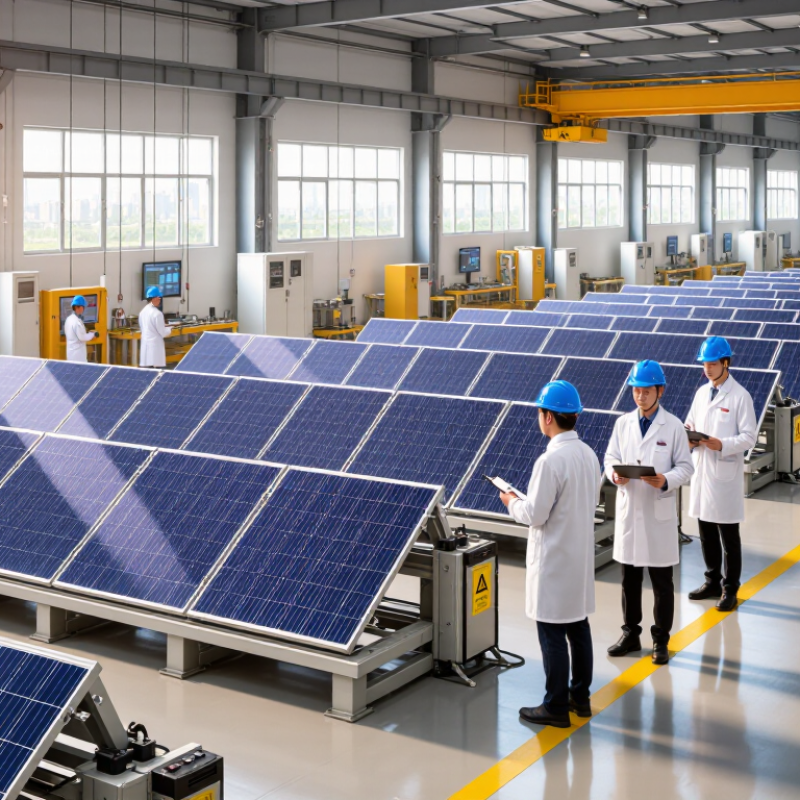
How to Choose a Reliable Solar Panel Manufacturer

Define Your Solar Project Requirements

Define the project before comparing manufacturers. Start with the load. Gather twelve months of electricity bills, hourly demand if available, and plans for future equipment. Note whether the system must serve daytime loads, reduce peak purchases, or provide backup through storage. The IEA PVPS Trends in Photovoltaic Applications 2024 report estimated global solar capacity reached about 1.6 terawatts by the end of 2023. That scale is impressive, but it does not tell you which panel suits your site.

Record the physical details: usable roof or ground area, orientation, tilt, shade from trees, and local wind or snow exposure. A chimney shadow at 4 p.m. can matter more than a large, unshaded area on paper. Ask a qualified designer to estimate annual production using site-specific weather and layout assumptions, then compare it with your actual usage. NREL’s Best Practices for Operation and Maintenance of Photovoltaic and Energy Storage Systems stresses planning for monitoring and maintenance, not just installation. Include access for cleaning and inspection in your requirements. It is easy to overestimate the roof’s usable space; measurements can be messy. That matters. Write down acceptable power, dimensions, temperature performance, warranty terms, and delivery timing before requesting quotes. A neat spreadsheet helps, though it cannot capture every site constraint.

Verify Manufacturer Certifications and Quality Controls

Before comparing quotes, check whether certificates cover the exact module model and factory you are considering. A certificate for a different product line is not enough. Look closely. Confirm the issuing body, document number, issue date, and current validity through the body’s own records. Photovoltaic standards such as IEC 61730 and IEC 61215 are useful reference points. They do not replace checking the certificate’s scope.

Ask how the factory controls incoming cells, glass, encapsulant, and frames. Reliable records should link material batches to finished panels, not just present a polished quality manual. During production, look for documented checks such as electroluminescence imaging, flash testing, visual inspection, and calibrated equipment. Ask how failed units are isolated and whether corrective actions are recorded. That matters. An ISO 9001 certificate can indicate a quality-management system, but it does not prove every panel will perform as promised.

Request recent audit summaries, sample test reports, and warranty claim data, with sensitive customer details removed. Compare serial numbers on reports with labels on sample modules; mismatches deserve a clear explanation. A factory visit or independent inspection can reveal habits paperwork misses: dust near test benches, skipped logs, or poorly stored materials. No check settles it. I would treat vague answers as a reason to pause, while remembering that even strong controls cannot prevent every defect.

Compare Panel Performance, Durability, and Warranty Terms

A reliable comparison starts with the conditions behind a panel’s rated output. Check the test standard, power tolerance, temperature coefficient, and expected annual degradation. A high wattage figure alone can mislead, especially when roof space is limited. Compare efficiency alongside panel dimensions and performance in heat or weak sunlight. Numbers need context.

Durability depends on more than a sturdy-looking frame. Review mechanical load ratings, moisture and corrosion testing, and the quality of the glass, seals, and junction box. Ask manufacturers for current test documents and traceable product specifications, not just promotional claims. Details matter. Installation quality also affects long-term performance, so even a well-built panel can disappoint if poorly mounted or ventilated.

Read product and performance warranties separately. A product warranty may cover defects, while a performance warranty promises a minimum output after a stated period. Check what counts as a valid claim, who pays for inspection or shipping, and whether labor is covered. Compare the degradation schedule, not only the final percentage. It is easy to overlook exclusions when a headline warranty sounds generous. No warranty removes every risk, and the clearest terms are not always the strongest; examine the actual remedy and the company’s process for handling claims.

Assess Company Stability and Supply-Chain Transparency

A reliable solar panel manufacturer should show stability beyond a polished factory tour. Request several years of audited financial statements, production records, and evidence that warranty obligations are funded. Check whether the company has maintained output through market downturns, rather than judging it by current capacity alone. A large factory can still face cash-flow pressure.

Supply-chain transparency matters just as much. The International Energy Agency’s 2022 report, Solar PV Global Supply Chains, found that China’s share exceeded 80% across all major solar-panel manufacturing stages. This concentration makes it important to ask where polysilicon, wafers, cells, and modules come from—and whether key materials rely on one supplier or region. Concentration is not automatically a warning sign. Limited disclosure is. Ask for a traceable bill of materials, supplier locations, and a clear process for notifying buyers about sourcing changes. Then verify that the answers match shipment documents and product records.

Tips: Request a sample traceability file before signing. Check dates, factory addresses, and material details. Speak with customers who have used the panels for several years, if possible. A response that is vague or slow deserves another look. Honestly, perfect paperwork is rare; consistency matters more.

Evaluate Customer Support, Pricing, and Contract Details

A reliable solar panel manufacturer should be judged by more than its efficiency chart. Ask how support works after delivery: who answers technical questions, how quickly they respond, and whether help is available during installation. Request a written escalation process and examples of the documents provided for troubleshooting. A friendly sales call is useful, but it does not prove dependable support.

Compare quotes using the same scope. Check whether the price includes panels, freight, packaging, technical documents, and replacement handling. Ask how warranty claims are assessed and who covers labor or shipping. Confirm that output ratings use comparable test conditions and apply to the exact model offered. Numbers can look reassuring. They still need context. Read contract terms for delivery dates, payment milestones, product substitutions, warranty exclusions, and remedies for delays or defects. Put verbal promises in writing, and ask a qualified adviser to review unclear clauses. Small details are easy to miss, even with careful reading.

Tips: Keep a written question log. Save quote versions and contract edits, so changes are easy to spot before signing.

FAQS

What information should I gather before requesting solar panel quotes?

Collect twelve months of electricity bills, hourly demand, and plans for future equipment. Note whether you need daytime power, peak reduction, or battery backup.

Which site details affect panel selection?

Record usable roof area, orientation, tilt, shading, and local wind or snow exposure. A chimney shadow at 4 p.m. can reduce output more than expected.

How can I estimate whether a system will meet my needs?

Ask a qualified designer to estimate annual production using local weather and your planned layout. Compare that estimate with actual usage. Estimates can still miss things.

How should I check a panel certificate?

Confirm it covers the exact model and factory. Verify the issuing body, document number, issue date, and validity using the body’s own records.

What factory quality checks are worth asking about?

Ask about material tracking, electroluminescence imaging, flash testing, visual inspection, and calibrated equipment. Also ask how failed units are separated and recorded.

Does a quality-management certificate guarantee panel performance?

No. It indicates a management system, not that every panel will meet its promises. Request recent test reports and warranty claim data.

How can I assess a manufacturer’s long-term stability?

Request several years of audited financial statements, production records, and evidence that warranty obligations are funded. A large factory alone proves little.

What should I check about the supply chain?

Ask where polysilicon, wafers, cells, and modules come from. Request a traceable bill of materials, then compare it with shipment and product records. Look for consistency.

Conclusion

Choosing a solar panel manufacturer starts with a clear understanding of your project. Define your energy needs, installation conditions, budget, and expected timeline before comparing suppliers. Then check that each manufacturer can document relevant certifications, consistent quality-control procedures, and transparent testing practices. These details help you assess whether the panels are suited to your project rather than relying on broad performance claims.

To decide how to choose a reliable solar panel manufacturer, compare panel efficiency, output over time, durability, and warranty coverage. Consider the company’s operating history, financial stability, production capacity, and willingness to explain its supply chain. Finally, review customer support, pricing, delivery terms, and the full contract, including responsibilities and warranty conditions. A careful, evidence-based comparison can help you select a supplier that offers dependable products and clear communication throughout the project.

Sophia

Sophia

Sophia is a dedicated marketing professional with an exceptional depth of knowledge about her company's products and services. With a keen understanding of market trends and customer needs, she crafts insightful blog posts that not only inform but also engage readers, enriching the company’s online......