As more homeowners and businesses turn to renewable energy, optimizing solar panel performance is crucial. Understanding how to improve solar panel performance can lead to significant energy savings and environmental benefits. This article explores various strategies that can enhance the efficiency of your solar systems.
Improper installation and maintenance can hinder performance. Regular cleaning is essential to remove dirt and debris that can block sunlight. Additionally, checking for shading from nearby trees or structures is vital. Sometimes, you may need to trim branches or reconsider panel placement.
Investing in better technology, like solar inverters, can also boost performance. However, be mindful of the costs of upgrades. Assess whether the benefits justify the expenses. Regular monitoring of energy output can provide insights into performance issues. Reflecting on these aspects allows for more informed decisions regarding solar energy use.
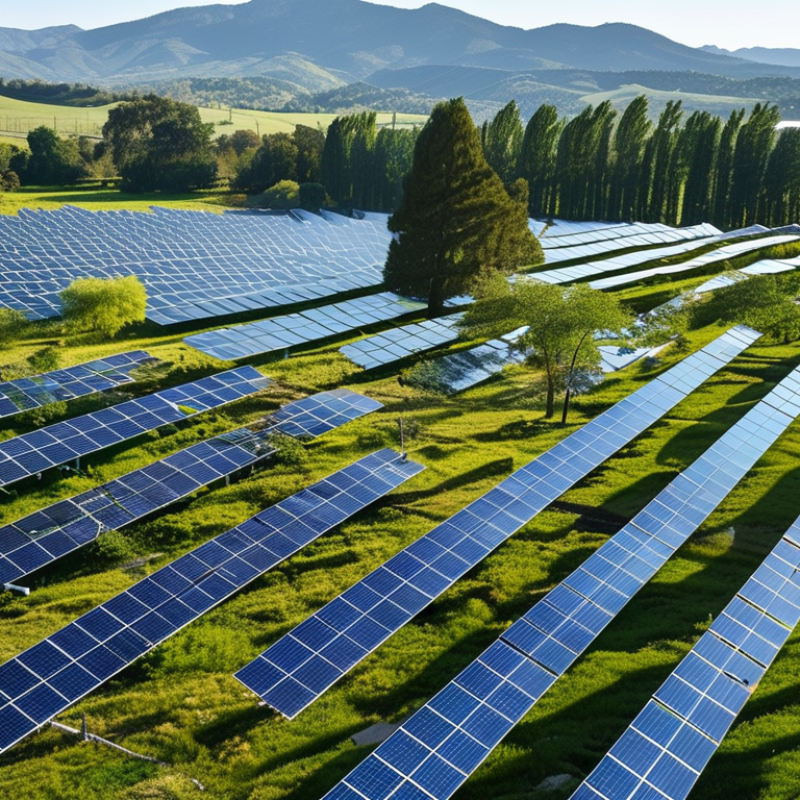
Solar panel efficiency is influenced by various factors. Understanding these elements is crucial for optimal performance. Sunlight intensity is a primary factor. Solar panels produce more energy on sunny days than on cloudy ones. The angle of installation also matters. Ideally, panels should be positioned to maximize sun exposure throughout the day.
Temperature plays a significant role too. While panels need sunlight, excessive heat can cause overheating, impacting efficiency. A cooler environment often leads to better performance. Regular cleaning of the panels is essential. Dust and debris can obstruct sunlight, reducing energy production.
Surprisingly, many users overlook wiring and connections. Poor quality or damaged wiring can lead to energy loss. Monitoring the output regularly helps identify issues. Adjusting for shade is another consideration. Trees or nearby structures can cast shadows, hindering energy generation. By understanding these factors, one can strive for improved solar panel performance.
| Tip | Description | Effect on Efficiency | Recommended Frequency |
|---|---|---|---|
| Regular Cleaning | Keep panels free of dust, dirt, and debris for optimal sunlight absorption. | Up to 25% improvement in performance | Monthly |
| Optimize Angle | Adjust panels to the optimal angle based on location and season. | Can boost efficiency by 20-30% | Annually |
| Install a Monitoring System | Track performance and detect issues early. | Increased long-term efficiency | Continuous |
| Shading Control | Minimize shading from trees or buildings. | Can improve efficiency by 10-20% | As needed |
| Regular Inspections | Check for physical damage and electrical connections. | Ensures optimal long-term performance | Bi-annually |
: Solar panels should ideally face true south for maximum sunlight exposure.
Tilt angle affects efficiency. Adjusting it based on location can improve energy production.
Trees, buildings, and chimneys can cast shadows, reducing energy output significantly.
Regular monitoring helps spot issues early. It’s crucial for maintaining optimal performance.
Effective monitoring can boost energy output by up to 25%.
Shading, dirt accumulation, and aging components commonly cause underperformance.
Monitoring systems provide real-time insights into energy production and potential issues.
Cleaning panels can increase energy output by 15%, yet many owners neglect this.
Neglecting checks may lead to reduced efficiency and overlooked maintenance issues.
Continuous evaluation ensures optimal performance and accommodates any changes in surroundings.
In the quest to enhance the efficiency of solar panels, understanding the various factors that influence their performance is crucial. To improve solar panel performance, regular maintenance practices such as cleaning and inspecting components can significantly increase output. Furthermore, the placement and orientation of panels play a vital role in maximizing sunlight exposure, ensuring they capture the most energy possible.
In addition to maintenance and optimal positioning, adopting advanced technologies can further boost efficiency. Innovations in solar technology provide new ways to enhance energy conversion and overall performance. Lastly, monitoring and analyzing solar panel performance regularly allows users to identify any issues and implement timely solutions, thereby ensuring consistent energy output. By following these strategies on how to improve solar panel performance, users can maximize their solar energy systems effectively.

 Halkirk Solar